Technology
AI buyers face rising pricing confusion as token costs keep shifting

OpenAI said on April 2, 2026, that Codex would offer pay-as-you-go pricing for teams on ChatGPT Business and Enterprise, another sign that even enterprise AI tools are moving toward metered consumption. For buyers, the change lands in a market where the unit of measurement keeps changing underneath them, and where monthly forecasts can be thrown off by a new price sheet, a new context limit, or a different billing rule.
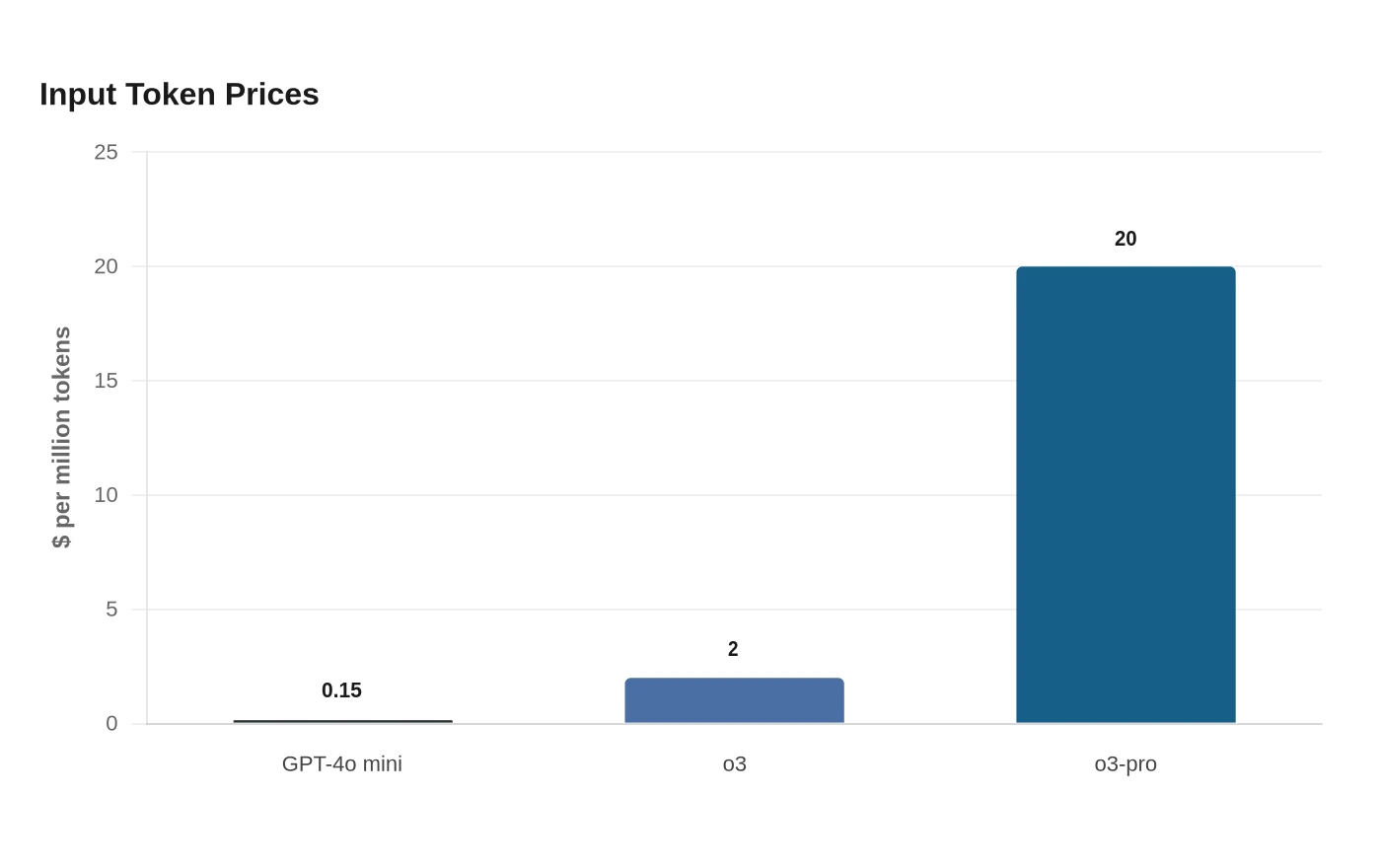
OpenAI has repeatedly reset expectations. When it launched GPT-4o mini on July 18, 2024, the company called it its “most cost-efficient small model” and priced it at $0.15 per million input tokens and $0.60 per million output tokens. On April 14, 2025, OpenAI introduced GPT-4.1 and said it supported up to 1 million tokens of context, widening the range of tasks a single call could handle. In another pricing change, a developer-community post said OpenAI cut o3 by 80 percent to $2 per million input tokens and $8 per million output tokens, while o3-pro was set at $20 per million input tokens and $80 per million output tokens.

The churn has made budgeting harder and procurement more cautious. Users have raised concerns in OpenAI’s community forums about unexpected charges for GPT-5 mini, realtime audio input, and web search costs, as well as discrepancies between model-card prices and the official pricing page. A PageCrawl summary said frontier-class language model token prices fell by roughly an order of magnitude between mid-2023 and mid-2025, often through quiet pricing-page updates before announcements, making it difficult for buyers to lock in assumptions for long enough to build products around them.
The measurement problem is now a governance problem. FinOps.org describes tokens as the “atomic unit” of AI value, while firms such as Tetrate have pushed for cost and token visibility across people, teams, and applications. In June 2026, the Linux Foundation said it intended to launch the Tokenomics Foundation to establish open standards for AI cost management, a sign that vendors and buyers still lack common rules for billing, tracking, and comparing AI spend.
The stakes keep rising as adoption spreads. Anthropic said in a September 2025 report that 40 percent of US employees reported using AI at work, up from 20 percent in 2023, leaving more companies reliant on tools whose prices can change faster than their budgets.
Sources
- [1]bbc.co.uk
- [2]openai.com
- [3]community.openai.com
- [4]pagecrawl.io
- [5]finops.org
- [6]linuxfoundation.org
- [7]anthropic.com