Politics
AI chatbots give voters wrong election guidance ahead of Senedd vote
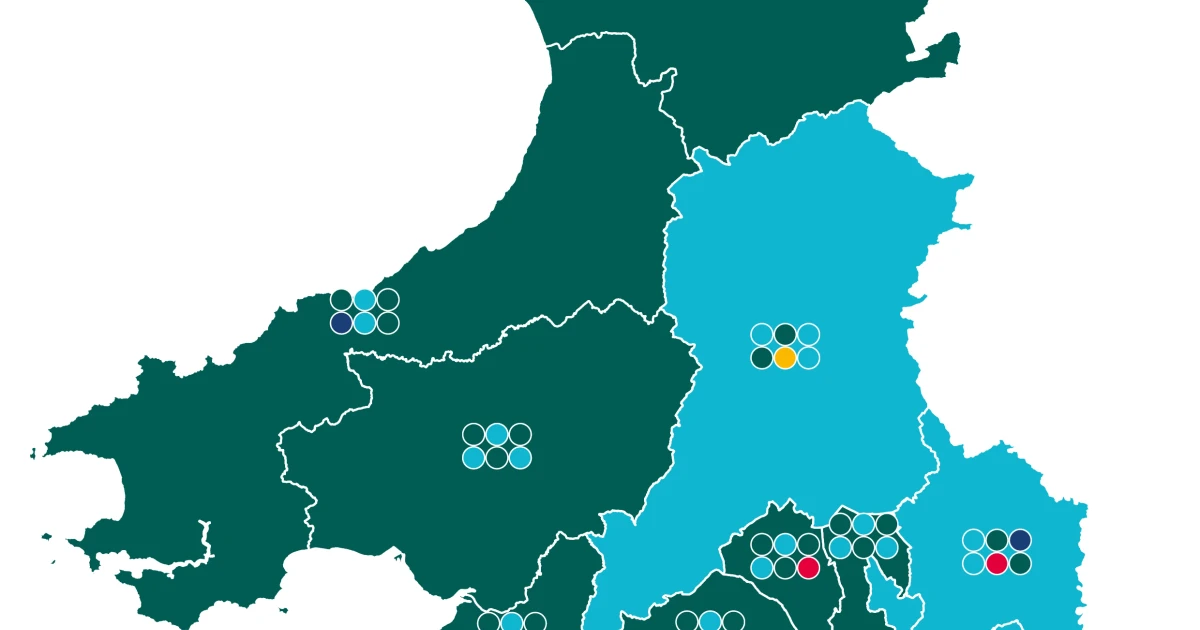
Major AI chatbots gave voters wrong constituencies, incomplete candidate lists and even surfaced a deceased former Senedd member as a possible candidate when tested ahead of the May 7, 2026 Senedd election. BBC Wales said the errors came as asking chatbots for political advice became increasingly common, raising the stakes for how voters now gather basic election information.
The problem reaches beyond Wales. A 2026 University College Dublin study said AI chatbots can shape and distort voters’ understanding of elections, while The Alan Turing Institute’s Centre for Emerging Technology and Security warned that AI-enabled influence operations can amplify harmful narratives and entrenched political polarisation even when there is no conclusive evidence they changed an election result. In practical terms, that means the fight is no longer just over campaign ads or social media posts. It is also over what a private AI system tells a voter when the voter asks a simple question about who is standing and where to vote.

Warnings about that risk have built for years. In 2023, The Guardian said experts were concerned the UK and US elections could be threatened by AI-driven disinformation. In 2024, AP and PBS News said popular chatbots were generating false and misleading election information that could disenfranchise voters. An investigation by AlgorithmWatch and AI Forensics found Microsoft’s Bing Chat could invent false scandals about real politicians and fabricate polling numbers, showing how easily a system can blend real names with false claims.
The concern has only sharpened as researchers have tested persuasion. Cornell University said AI chatbots can effectively sway voters in either direction. MIT Technology Review said in December 2025 that chatbots can sway voters better than political advertisements. NBC News, citing a Science paper, said chatbots became more persuasive when they shared large amounts of information. At the same time, the Reuters Institute for the Study of Journalism’s Digital News Report 2025 documented how people increasingly turn to digital tools to check information, making AI part of the voter-research process rather than a novelty on the side.

Campaigns are also moving faster to use the same technology. NPR reported on July 12, 2026 that political campaigns were using AI-generated texting conversations to engage voters, and Run for Something Action Fund launched CampSight on June 12, 2026 to help candidates reach voters turning to AI. The National Conference of State Legislatures has issued guidance on artificial intelligence in elections and campaigns, and the UK AI Security Institute has published work asking whether chatbots inform or misinform voters. Together, those moves show a new front in campaign message control: the private answers voters receive, the hidden corrections that may shape them, and the thin transparency around who is steering the message.
Sources
- [1]nytimes.com
- [2]bbc.com
- [3]cetas.turing.ac.uk
- [4]theguardian.com
- [5]pbs.org
- [6]algorithmwatch.org
- [7]news.cornell.edu
- [8]technologyreview.com
- [9]npr.org
- [10]runforsomething.net
- [11]aisi.gov.uk