World
AI chatbots help Boko Haram plan attacks and build bombs

Former Boko Haram members in northeast Nigeria described using ChatGPT, Claude, Gemini, Grok, Meta AI and DeepSeek to help plan attacks, troubleshoot weapons and design explosive devices, according to a Cambridge Programme on AI Science & Policy study by Antonia Juelich. The research is based on 57 in-person interviews with 27 former Boko Haram members conducted in 2025 and 2026.
The report says both Boko Haram factions, Islamic State West Africa Province, known as ISWAP, and Jamā’at Ahl as-Sunnah lid-Da’wah wa’l-Jihād, or JAS, used frontier AI tools in ways that were organized rather than improvised. It says the use was routed through specialized units and internal training, not left to one-off experimentation by individual fighters.
Islamic State operatives provided in-person training and remote assistance, including advice on prompting and on getting around platform restrictions, the study says. Interviewees described AI as a go-to problem-solver for combat and daily operations, with uses that ran from attack planning and weapons troubleshooting to operational security, logistics, tactical and strategic planning, and mission preparation, execution and post-mission review.
The accounts covered activity from 2023 through 2024, and some extended into mid-2025. One example in the executive summary says ISWAP commanders used AI to figure out how to breach trenches by motorcycle when the obstacles were slowing assaults. That detail points to a shift from extremist propaganda into battlefield problem-solving, with widely available chatbots helping fill in tactical gaps.
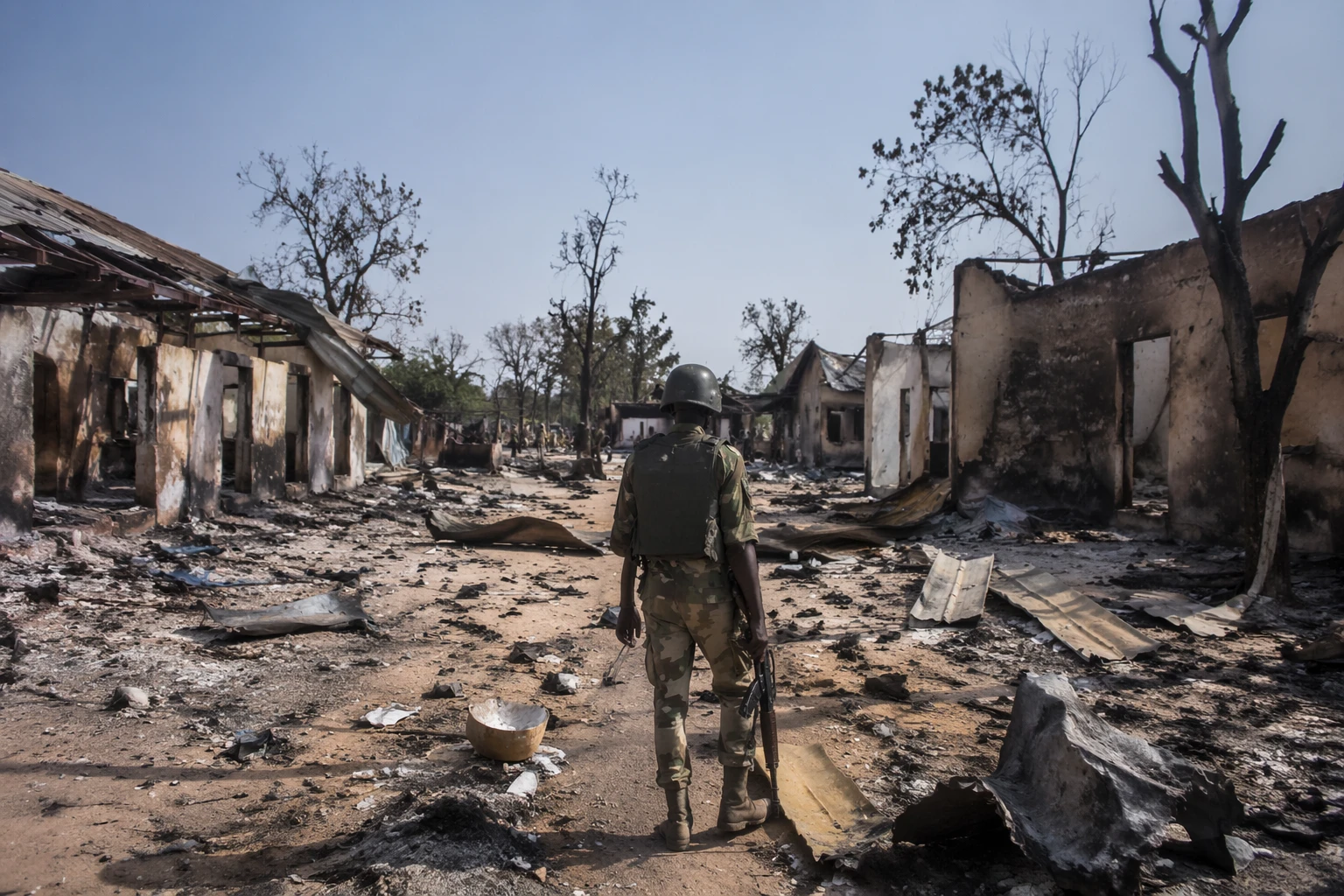
The study also places the findings against earlier assessments of jihadist AI use, which largely centered on propaganda and recruitment. Juelich’s fieldwork suggests the threat has moved further, into operational warfare and explosive-device development, with respondents showing enthusiasm for the tools and, in some cases, openness to mass-casualty weapons.
For counterterrorism agencies, the warning is practical as much as technological. The challenge is no longer just scanning for extremist content, but detecting organized users who are being trained to exploit mainstream systems, share prompts and work around safeguards. For tech firms, the report underscores how quickly safety filters can be outpaced when violent groups build internal expertise around them.
Sources
- [1]nytimes.com
- [2]casp.ac
- [3]antoniajuelich.com
- [4]asisonline.org
- [5]techtimes.com