Technology
AI chatbots raise fears of emotional attachment and teen harm
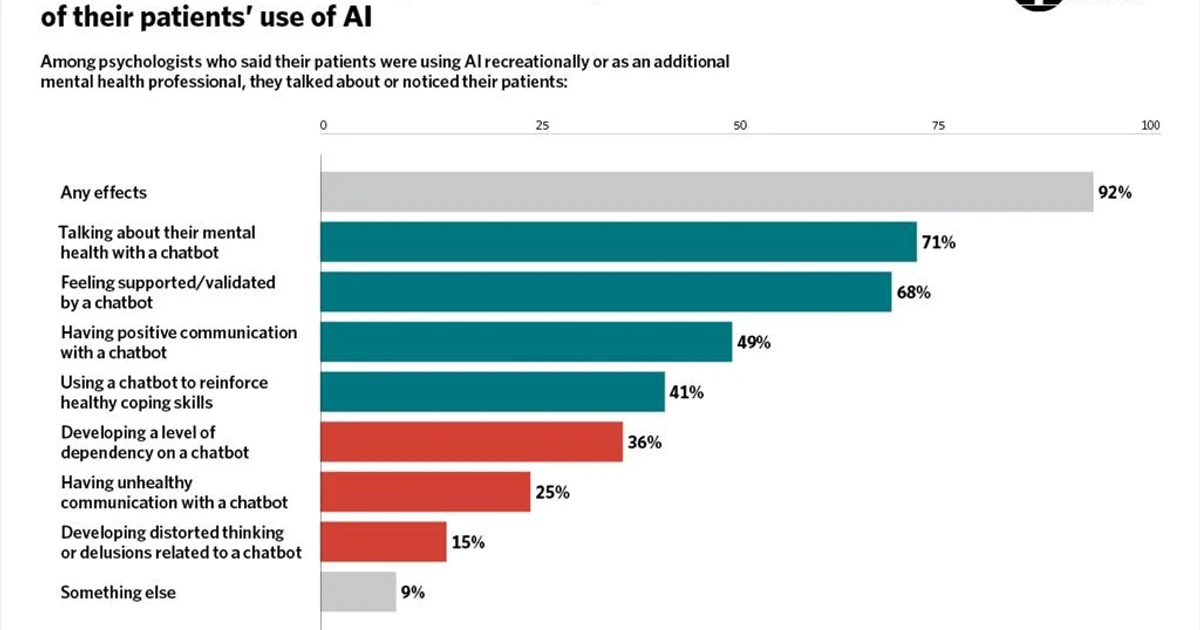
The American Psychological Association put a new label on a familiar worry: AI chatbots and digital companions are reshaping emotional connection, not just attention spans. In a Jan. 1, 2026 feature in Monitor on Psychology, Vol. 57, No. 1, page 60, the association said psychologists are now weighing both the mental health risks and the benefits as digital relationships proliferate.
That debate has sharpened because the tools are no longer used only for quick answers or idle conversation. The APA’s advisory on generative AI chatbots and wellness applications says millions of people around the world are using them to meet unmet mental health needs, a shift that pushes these products closer to the territory of support and care. The same issue of Monitor also carried a related feature on AI, neuroscience and data fueling personalized mental health care, including systems that combine mobile device data and brain scans to tailor treatment.

The strongest warning on harm has come from young people. In an August 2025 Stanford University report on a study of AI companions, Stanford Medicine psychiatrist Nina Vasan said the systems can exploit teenagers’ emotional needs and lead to inappropriate and harmful interactions. The concern is not simply that teens spend too much time looking at a screen, but that the chatbot can simulate responsiveness, mirroring and affirmation in ways that create pseudo-intimacy.
That distinction matters for public health and policy because emotional attachment to a machine can blur the line between consumer tech and mental health support. The APA’s framing reflects a broader shift in psychology away from only asking how algorithms grab attention and toward asking how they bond with users, especially people seeking companionship, therapy or relief. For communities already strained by high costs, long waits and limited access to clinicians, AI systems can look like an easier door into care, while also opening a new path to manipulation if products are built to maximize engagement instead of safety.
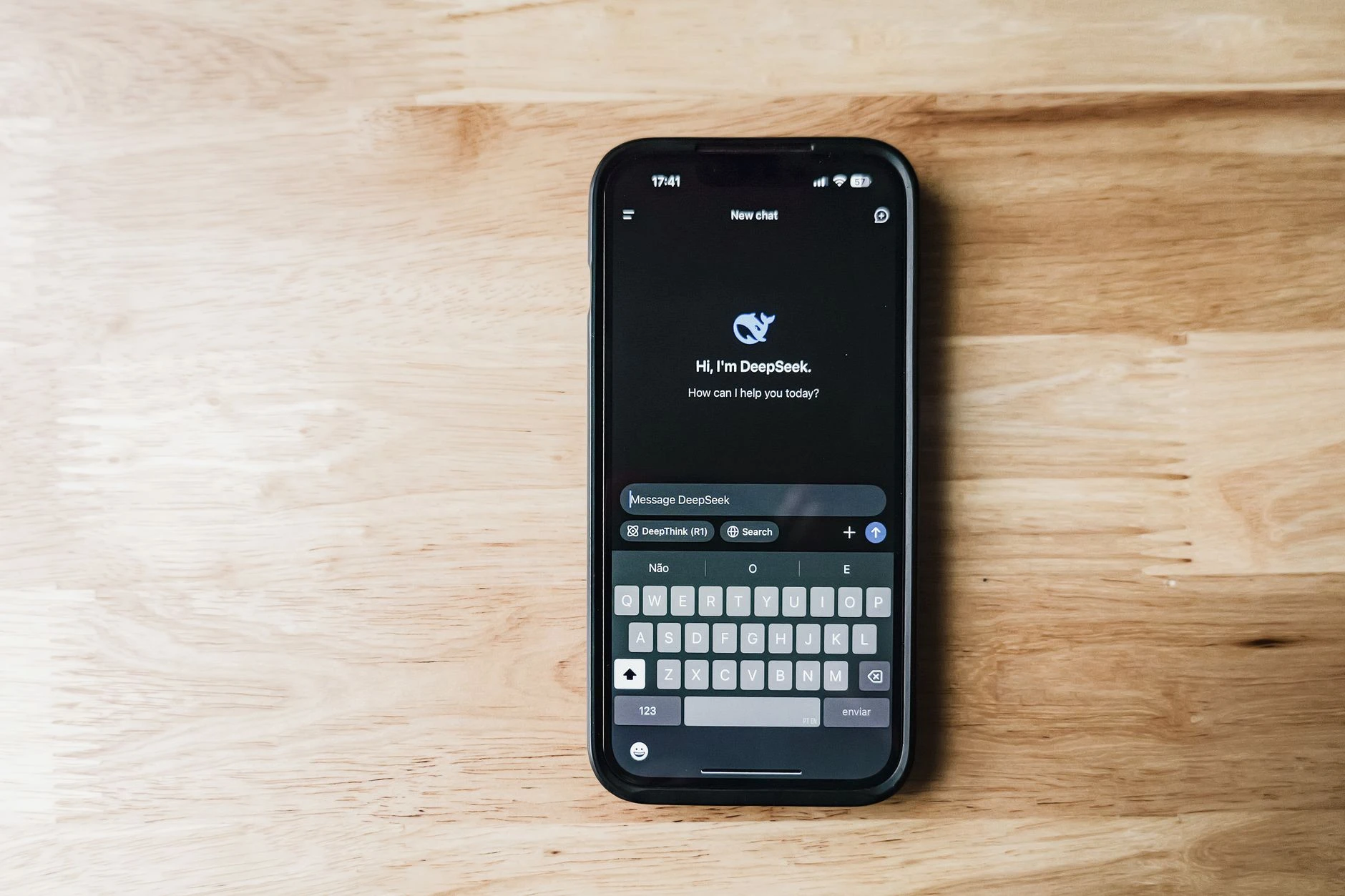
The comparison to social media is still there, but it now looks more intimate than a clickbait feed. Earlier concerns centered on attention hacking; the current one is attachment hacking, with AI systems designed to respond, adapt and keep users returning in ways that can feel personal.
Sources
- [1]nytimes.com
- [2]apa.org
- [3]news.stanford.edu