Politics
AI data centers become a new flashpoint in U.S. politics
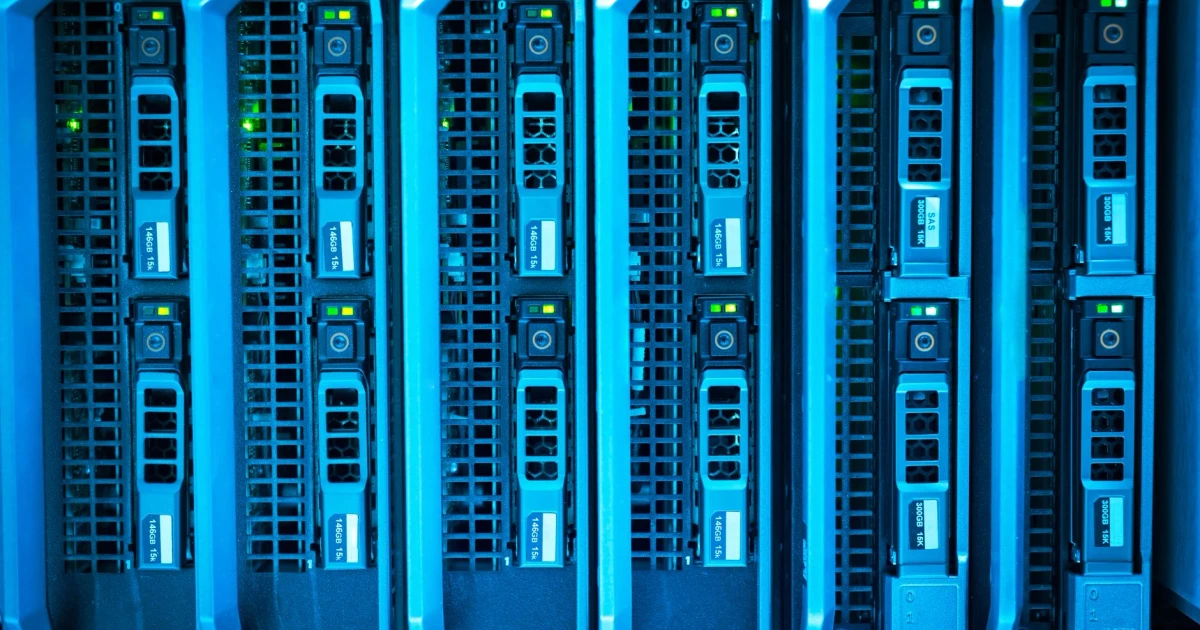
Huge AI data centers near homes and farms are moving from zoning meetings into the center of American politics. The facilities promise construction jobs, tax revenue and a place in the AI economy, but they also bring heavier electricity demand, water use, land fights, noise and an industrial footprint. That mix is reshaping how candidates talk about growth, who benefits from it and who pays the bill.
The local costs are becoming impossible to ignore
Data center growth can affect electricity bills, water withdrawals, air pollution from backup diesel generators, land use, noise and heat. AI data centers can raise local electric bills and put additional pressure on water use, which turns an abstract technology story into a daily household concern.
A community may welcome new investment in principle, yet still resist a specific project near a subdivision, school or farm field once residents picture the traffic, generator noise, utility upgrades and the strain on local infrastructure.
States are handing out incentives, then revisiting them
The National Conference of State Legislatures counts 38 states with dedicated tax incentives for data centers, a sign of how aggressively states have competed to attract the facilities. At the same time, state officials in several places are reconsidering those incentives as power demand and fiscal concerns rise.
The current debate often runs through the same three requests: zoning approvals, tax incentives and utility upgrades. Developers want local governments to clear land use hurdles and support new power connections, while officials are being asked to decide whether the promised jobs and tax base outweigh the strain on schools, roads, water systems and ratepayers. In Virginia, that tension has become formal policy business: JLARC’s 2024 report on Data Centers in Virginia examined electric infrastructure and rate impacts in detail.
The power demand is not hypothetical
Lawrence Berkeley National Laboratory’s December 2024 report, 2024 United States Data Center Energy Usage Report, tracked U.S. data center energy use at a moment when demand was already climbing. In 2025, the International Energy Agency found that data centre electricity use surged and bottlenecks were forcing a scramble for solutions.
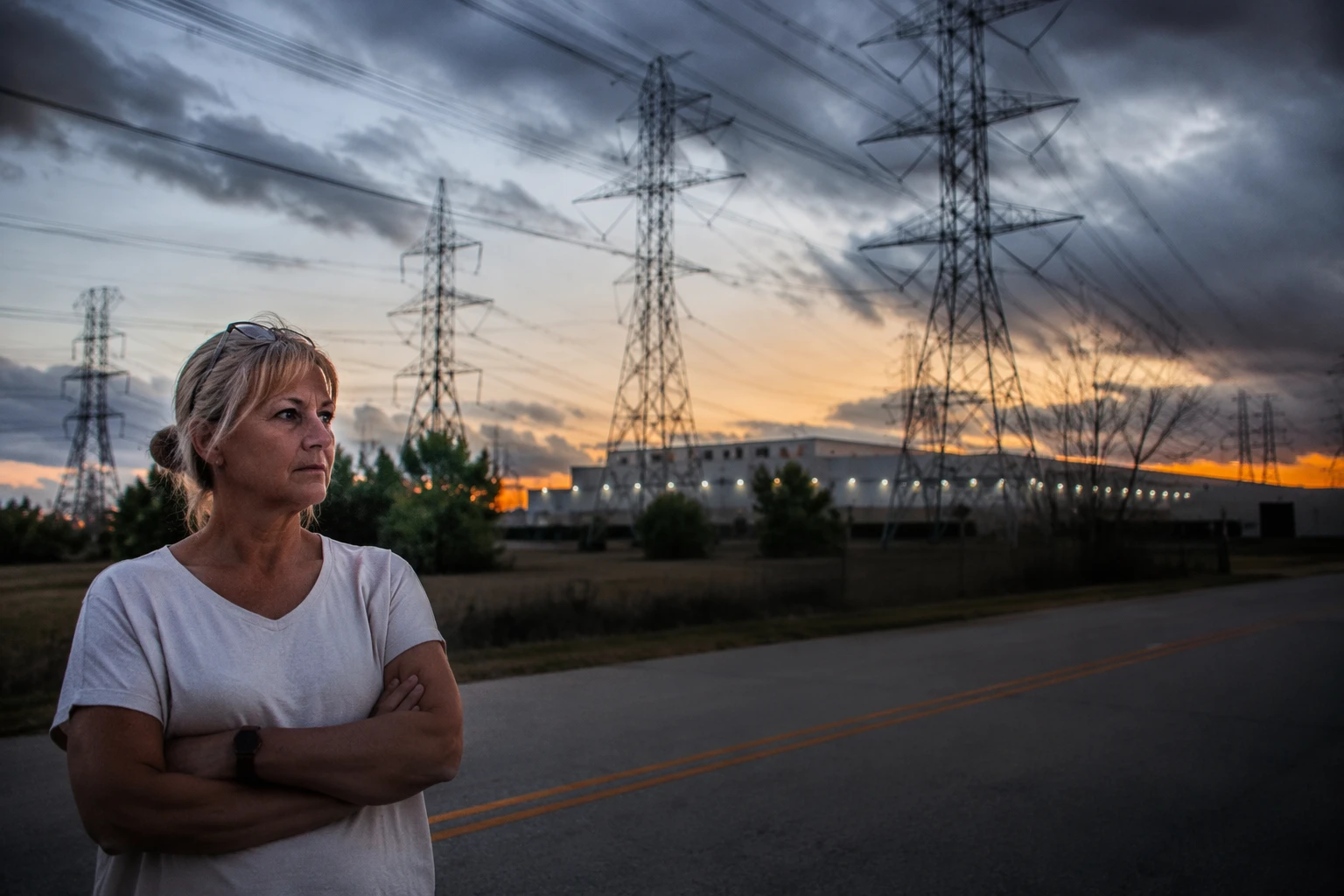
Training and operating large models requires compute, and compute requires land, cooling and reliable power. The more clusters of servers expand, the more local utilities have to plan for substations, transmission upgrades and long-term load growth, which can feed directly into household bills and regional grid planning.
Communities are already pushing back
By June 2, 2025, communities were blocking billions in new AI data-center projects as local resistance grew. A 2025 MultiState briefing found communities across the U.S. confronting opposition over data centers, showing that the backlash is spreading beyond a few high-profile suburbs and into a wider national pattern.
That resistance is shaped by the same pressure points over and over: water use, noise, land consumption and fears that the local tax burden will not match the promised revenue. In some places, the debate has fused with broader distrust of corporate power and the feeling that AI’s gains are being concentrated while its costs are exported to nearby residents.
Why the issue is now a midterm problem
Midterm campaigns are already looking for ways to connect the data center debate to cost of living and environmental strain. The projects can sound like a jobs story in campaign speeches, but they can also become a symbol of who gets heard when big technology firms want land, power and fast approvals. That gives candidates a difficult choice: embrace the AI economy or defend voters who fear they will absorb the downsides.
The question lands at the intersection of energy policy and local control. Statehouse candidates have to answer whether tax incentives are worth it, congressional candidates may be pressed on utility costs and federal infrastructure, and local officials must decide how much growth their grids and water systems can handle. A July 2025 University of Michigan policy report concluded that rapid data center growth requires targeted policy interventions to mitigate environmental impacts and protect local communities.
Sources
- [1]reuters.com
- [2]wri.org
- [3]consumerreports.org
- [4]ncsl.org
- [5]eta-publications.lbl.gov
- [6]iea.org
- [7]spotlightpa.org
- [8]jlarc.virginia.gov
- [9]stpp.fordschool.umich.edu
- [10]multistate.us