Technology
A.I. data centers spark bipartisan backlash over power, water, and secrecy
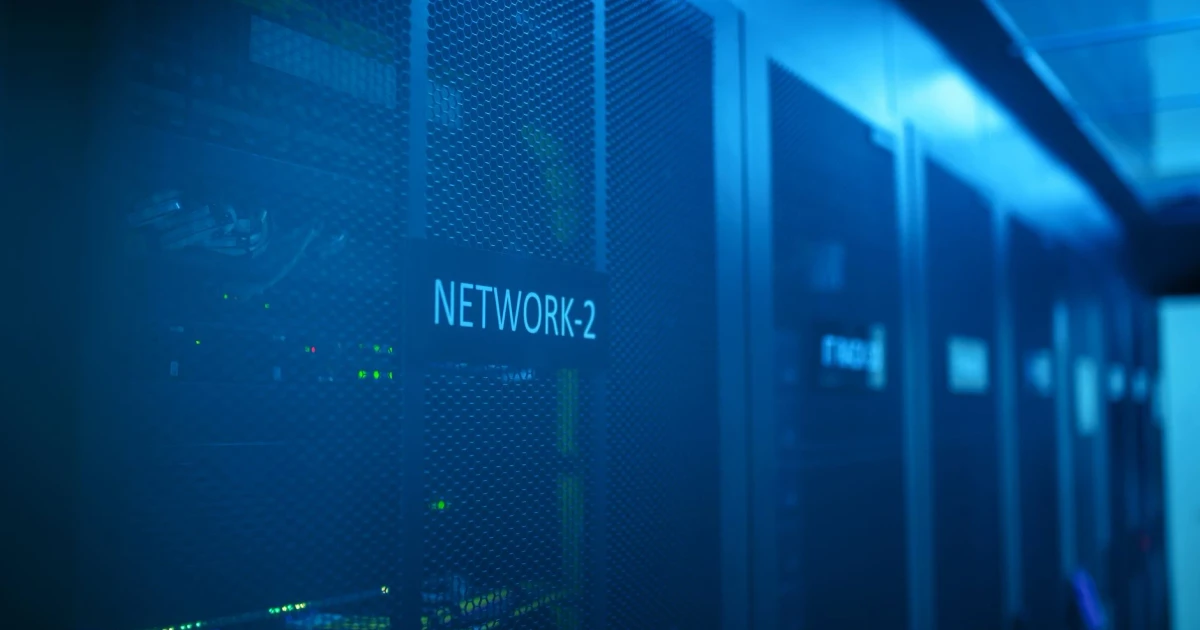
A.I. data centers are provoking a backlash that looks less like a culture war over software and more like a fight over substations, aquifers, zoning boards, and who gets to decide what gets built. Jasmine Sun captured the shift in one line: "the battles over AI are no longer just about the tech." In town after town, the friction is coming from concrete local costs, while the promised benefits feel distant, secretive, and unevenly shared.
Why the fight is local
The sharpest objections cluster around the same physical pressures: electricity demand, water use, noise, land use, tax incentives, and the opaque deals that often surround the projects. Sun notes that data center negotiations are typically wrapped in more non-disclosure agreements than solar-farm fights, and the dollar amounts are larger, which makes it harder for residents to see what they are being asked to accept. That secrecy matters because, unlike a solar farm, a data center is widely seen as consuming huge amounts of power rather than generating useful local energy.
That contrast has helped produce a strange political split on the ground. In Saline, Michigan, the activists Sun met were pro-solar farm but anti-data center, a reminder that the opposition is not a blanket rejection of development or clean energy. The objection is more specific: many residents will support infrastructure they can recognize as useful, but balk at a facility that pulls heavily on the grid, uses water, and offers little visible return beyond tax promises and jobs that may be smaller than advertised.
How the opposition organizes
Sun describes the movement as borrowing classic NIMBY tactics: Facebook groups, FOIA requests, and packed city-council meetings. Those tools are familiar from fights over pipelines, wind farms, and warehouses, but the data center battles have a different edge because the projects are often negotiated behind closed doors and arrive with corporate language about innovation rather than neighborhood impacts. The result is a backlash that feels local, practical, and procedural all at once.
The same pattern is showing up well beyond one state or region. Coverage of rural communities in the Midwest United States and Washington State points to the same recurring complaints from neighbors who care about land, water, and daily life more than the abstract promise of artificial intelligence. Sun’s broader point is that this is not just anti-tech sentiment. It is a revolt against an infrastructure model that asks communities to absorb the costs before they have seen any meaningful local upside.
The politics have widened
What makes the current wave different is that it is no longer confined to a handful of planning disputes. Sun says the backlash is bipartisan and has shown up in politics in a big way, which gives it a reach that earlier local fights often lacked. At a rally in Lansing, Michigan, Abdul El-Sayed brought Bernie Sanders and Alexandria Ocasio-Cortez together to criticize A.I. oligarchy as an example of money in politics, turning a zoning and utilities issue into a campaign issue with national names attached.
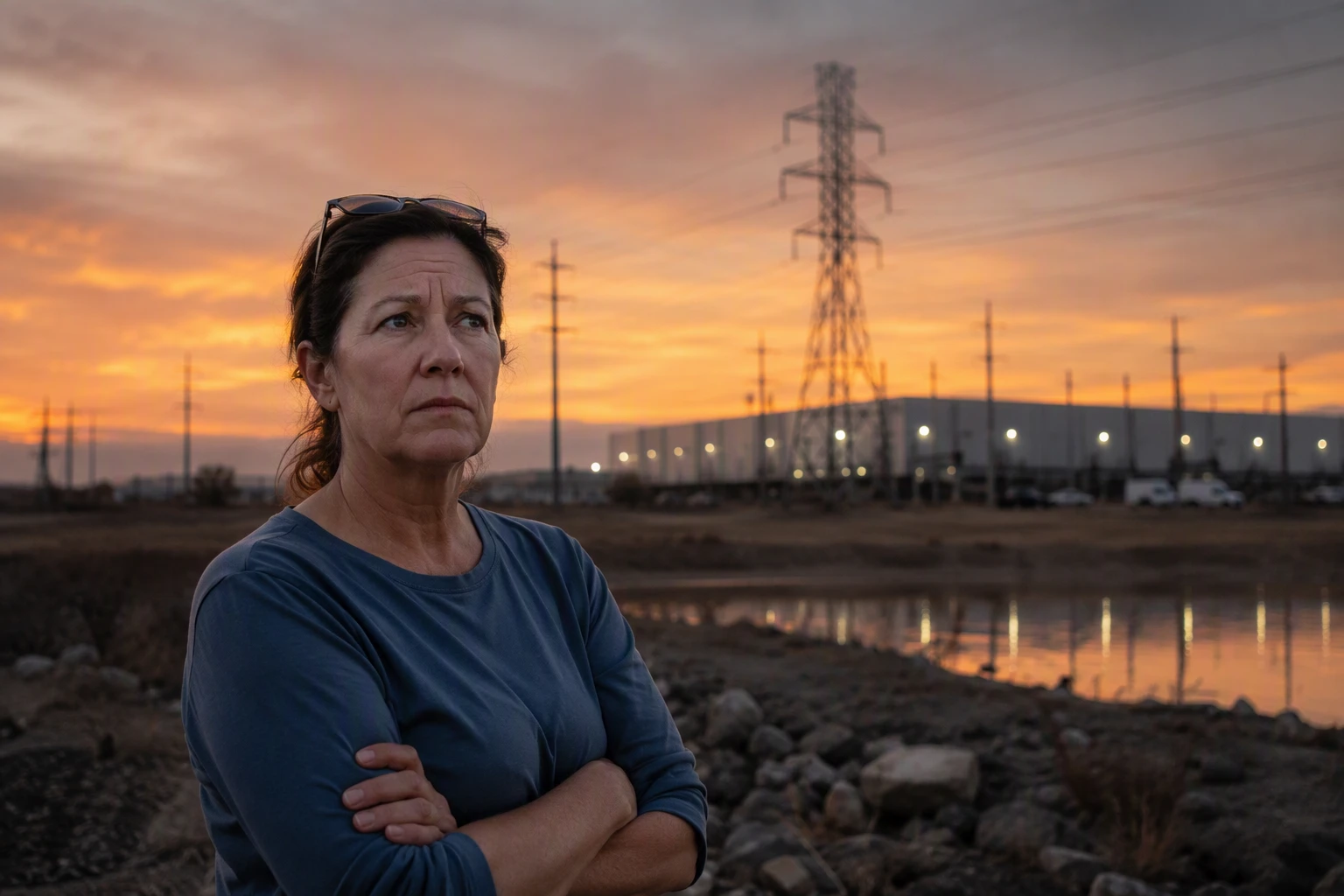
That broader political framing matters because the anti-data-center coalition does not need to agree on everything to be effective. Some critics want tighter oversight, others want outright rejection, and many are simply asking who benefits when a private company demands power, water, land, and subsidies from a town. Brookings-linked commentary has framed the dispute as a struggle over who gets power in the A.I. era, and the fight is increasingly about oversight rather than a simple yes-or-no moratorium.
The numbers behind the slowdown
The scale of the resistance is already measurable. A Brookings-linked post summarized a Data Center Watch tally showing that in the first three months of 2026, local opposition blocked or delayed 75 data center projects worth $130 billion. Those are not minor planning delays; they are a sign that local politics can now reshape the geography of A.I. construction before shovels hit the ground.
Public opinion runs in the same direction. Gallup found that seven in 10 Americans oppose building an A.I. data center in their local area, and 48% strongly oppose it. That level of resistance helps explain why Sun says the movement lacks a broad pro-A.I. public faction, aside from tech billionaires and utility companies. Without a visible local constituency arguing for the projects, the public debate tilts quickly toward the people who must live with the trucks, transformers, water demand, and noise.
Federal planners are treating the problem as real infrastructure policy, not just a passing controversy. The U.S. Department of Energy has published guidance on clean-energy resources to meet data center electricity demand, a sign that the buildout is now being folded into power-system planning. That guidance matters because the same pressure that makes data centers unpopular in town halls also makes them a grid problem for utilities, regulators, and state officials.
Where the buildout can go next
The backlash is changing the map for the A.I. boom. Projects will gravitate toward places that can offer cheap electricity, adequate water, room to build, and enough political support to survive public scrutiny. That narrows the field, especially in communities where residents already distrust development promises or have seen too many deals pushed through with too little disclosure.
Sun’s reporting makes the central constraint plain: data centers can no longer rely on the assumption that economic development alone will win over local governments. Towns that once courted tech investment are now asking what the investment costs in power, water, land, and trust. The next phase of the buildout will belong to places willing to say yes after the bill, the utility load, and the community consequences are fully visible.
Sources
- [1]nytimes.com
- [2]jasmi.news
- [3]x.com
- [4]substack.com
- [5]brookings.edu
- [6]news.gallup.com
- [7]energy.gov
- [8]linkedin.com
- [9]news.harvard.edu
- [10]atlanticcouncil.org