Science
AI deciphers full text of carbonized Herculaneum scroll
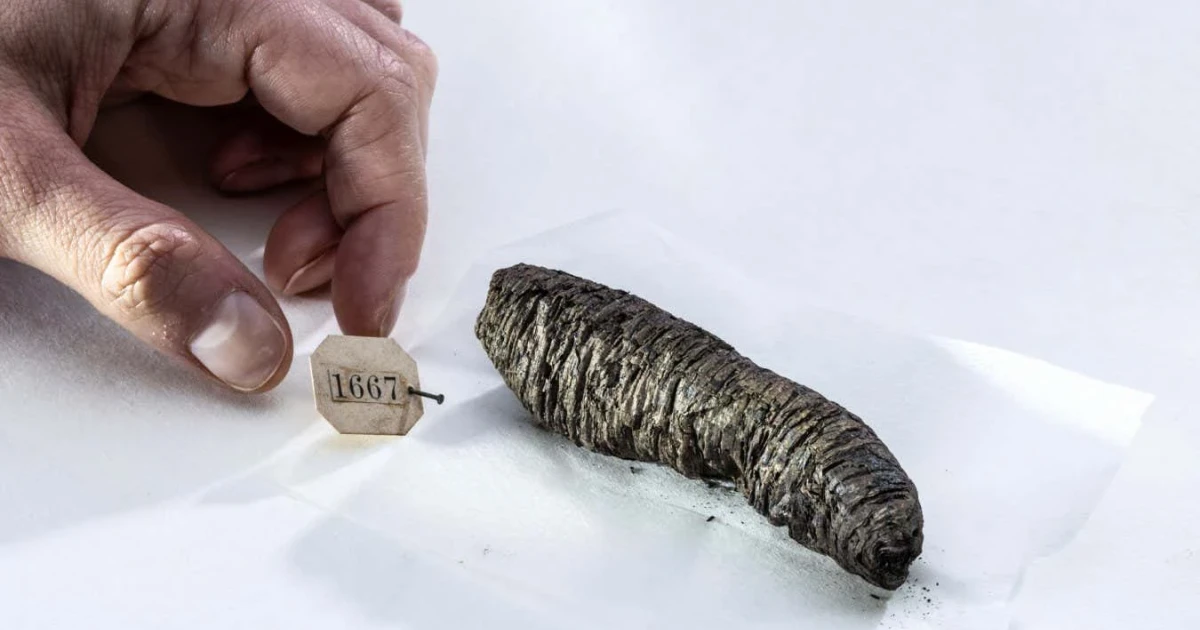
AI and super-high-resolution 3D scans have let researchers read the full surviving text of PHerc. 1667 without unrolling a scroll that had been sealed since AD 79. The recovery turned a carbonized lump from Herculaneum into a legible Greek manuscript and marked the first time a Herculaneum papyrus was digitally unrolled and read end to end.
The scroll came from the Villa of the Papyri at Herculaneum, the Roman library buried when Mount Vesuvius erupted alongside Pompeii. Between 1752 and 1754, Karl Weber and his team excavated more than 1,800 carbonized scrolls and fragments. The collection is the only large-scale library from classical antiquity that survives in its entirety. For nearly three centuries, the ink on the charred papyrus was nearly impossible to distinguish from the papyrus itself.
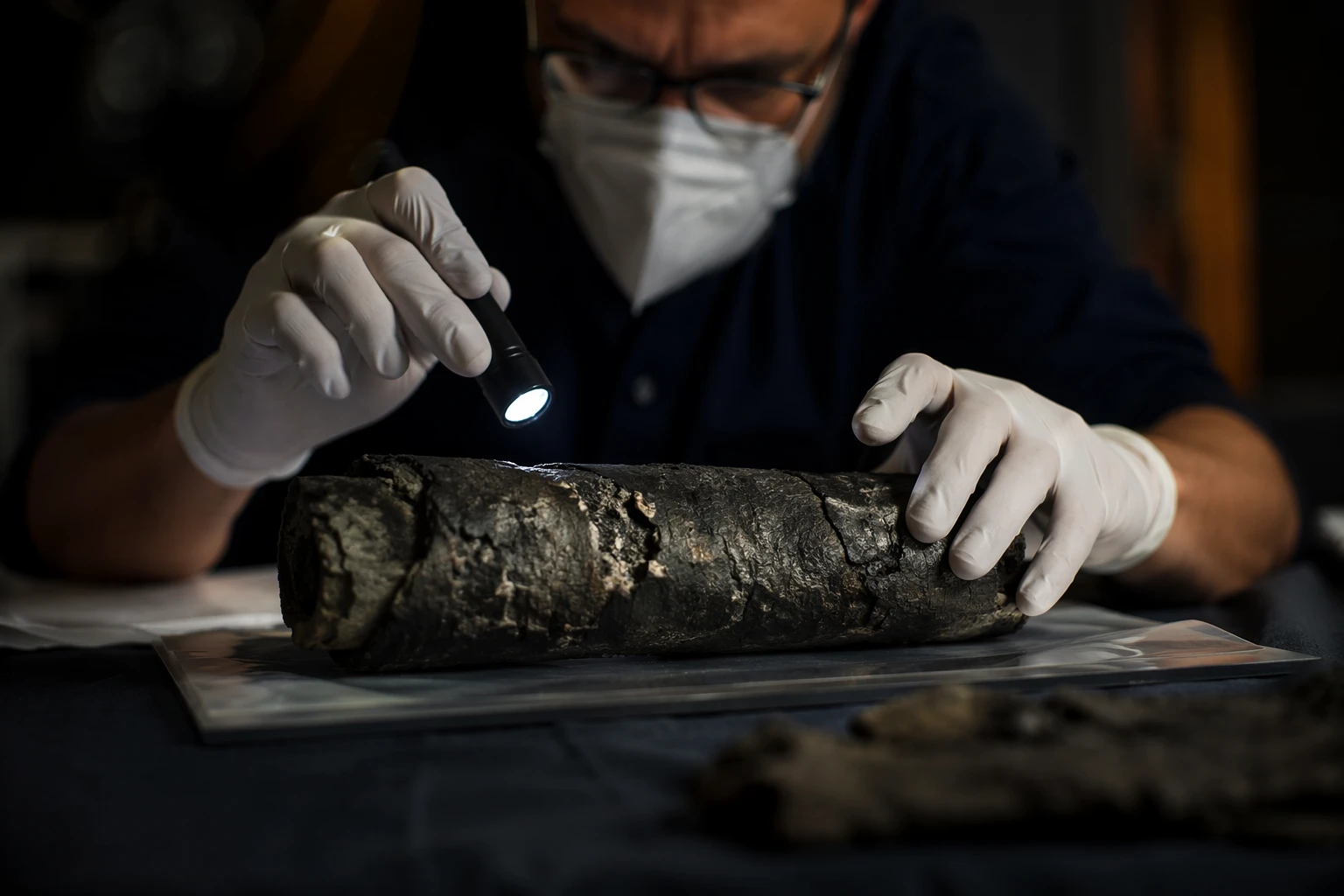
Physical unwrapping was a gamble that often destroyed the text it was meant to preserve. Built through the Vesuvius Challenge, the new method extracted the surviving text from a scroll that preserves about 1.4 to 1.5 meters of papyrus across roughly 20 to 22 columns of Greek. The competition has awarded more than $1.8 million in prizes, and its aim is to restore the Herculaneum library from the ashes through machine vision and imaging.
The recovered work was a philosophical treatise on ethics with Stoic themes. Its final preserved column named Aristocreon, nephew and disciple of Chrysippus. The result revealed new texts, titles and authors previously unknown to history.
AI identifies writing, while transcription and translation still depend on classical experts. In February 2025, the Bodleian Libraries generated the first image of the inside of PHerc. 172, one of three Herculaneum scrolls it holds, and its ink may contain a denser contaminant such as lead, which could make it easier to detect than other scrolls.
Sources
- [1]newscientist.com
- [2]scrollprize.org
- [3]diamond.ac.uk
- [4]bodleian.ox.ac.uk
- [5]herculaneum.ox.ac.uk
- [6]neh.gov