Politics
AI deepfakes and robocalls reshape US election advertising
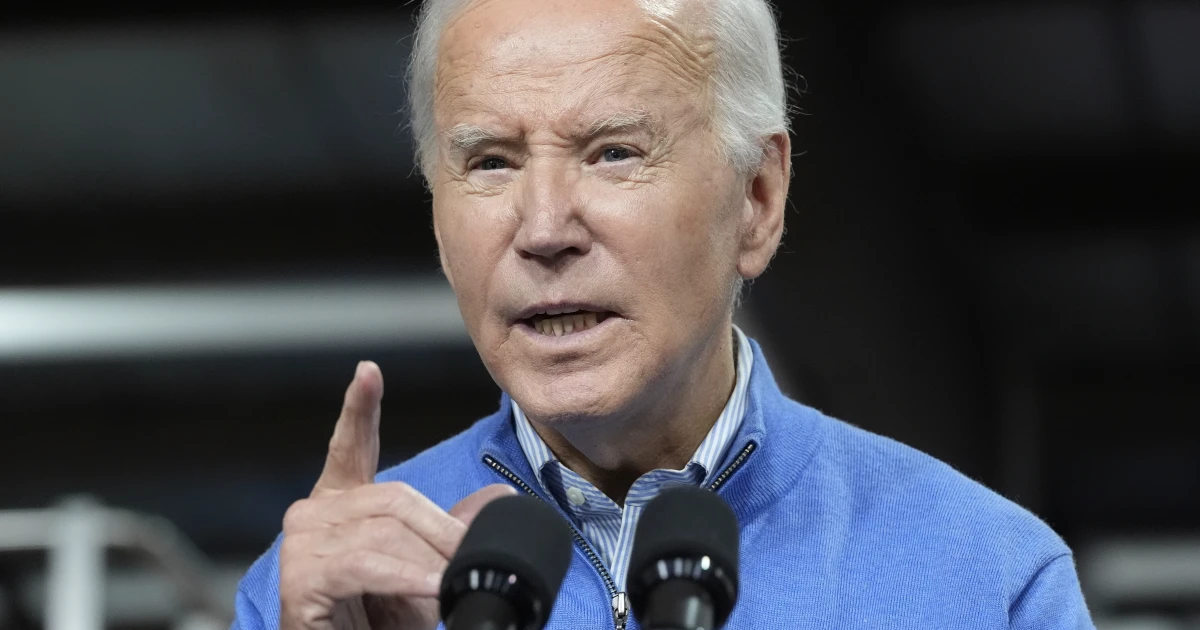
AI-generated images, videos and voice clones have moved from novelty to campaign weapon, and the clearest warning came in New Hampshire. On January 21, 2024, voters there received robocalls using an AI-generated clone of President Joe Biden’s voice that urged Democrats not to vote in the January 23 presidential primary, a brazen attempt to manipulate turnout at the last moment.
The New Hampshire Attorney General’s Office later said investigators identified the source of the calls. The incident led to criminal charges and a voter lawsuit, turning a single deceptive robocall into an early test of how election law handles synthetic media when the target is not a fake image but a voice that sounds like a sitting president. The episode also showed how fast the technology can be deployed: by the time officials and voters were reacting, the calls had already spread.
Federal regulators responded months later. On September 19, 2024, the Federal Election Commission adopted an interpretive rule saying existing fraudulent-misrepresentation rules are technology-neutral and already cover AI-assisted deceptive campaign ads. The commission said it received more than 2,000 public comments on the issue and chose not to open a broader rulemaking. That left the agency relying on existing law rather than writing a new one for AI-era campaign tactics.
Public concern was widespread. Pew Research Center fielded a survey of 9,720 adults from August 26 to September 2, 2024, and found many Americans were worried about AI’s influence on the presidential campaign and had little confidence in major tech companies to stop misuse of their platforms. The concerns were not abstract. Deepfakes and synthetic audio have been used to attack opponents, suppress turnout and create confusion about what is real, what is parody and what is outright fraud.
States have filled part of the gap. By 2026, the National Conference of State Legislatures said 30 states had enacted laws related to AI in elections and campaigns, and lawmakers had tracked more than 450 AI-related bills across 23 categories in 2024. Minnesota and Texas were among the states that created time-window restrictions on publishing deceptive election deepfakes. Even so, the rules remain uneven from state to state, while the technology keeps advancing.
The threat has also spread beyond robocalls. A Georgia campaign used an AI-generated deepfake video of Sen. Jon Ossoff, a reminder that election manipulation now reaches across audio and video formats. The core problem is not whether AI can fool voters. It already can. The problem is whether the law, labels and voter literacy can catch up before the next false voice or false face reaches millions.
Sources
- [1]cbsnews.com
- [2]doj.nh.gov
- [3]fec.gov
- [4]pewresearch.org
- [5]ncsl.org
- [6]nbcnews.com