Business
AI Doctors Gain Ground in US Healthcare Amid Debate
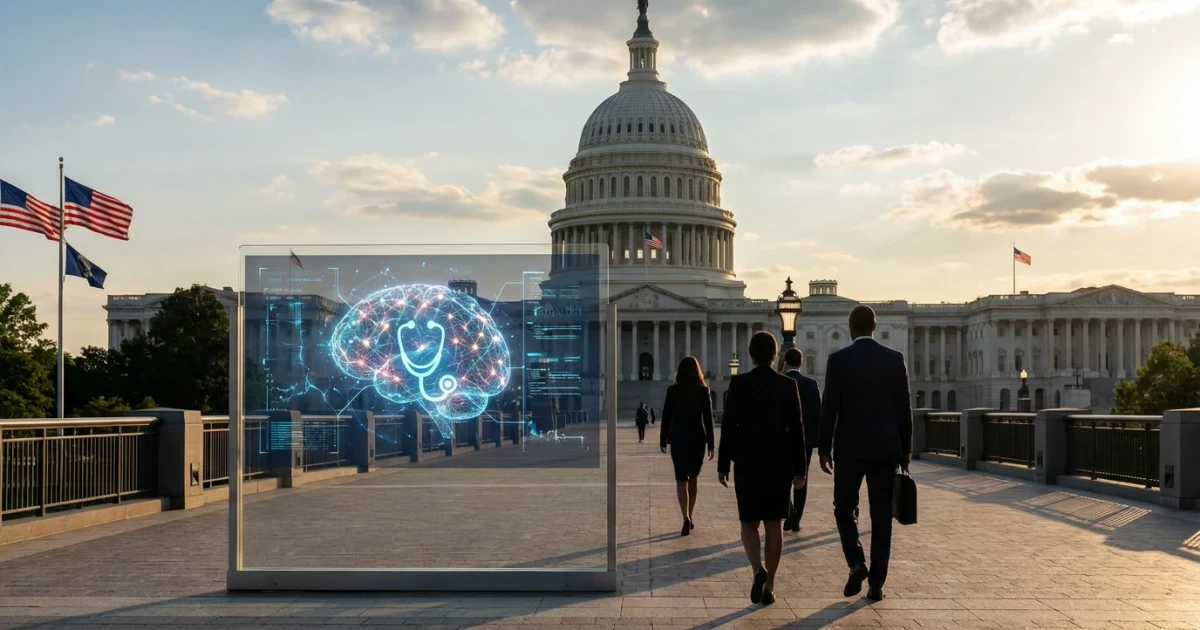
Artificial intelligence is rapidly changing the landscape of American healthcare, as AI-powered tools and so-called "AI doctors" move from experimental pilot projects to mainstream clinical settings, according to recent reporting from The Washington Post. This surge, backed by political support and significant investment, is fueling optimism about improved patient outcomes and operational efficiency. However, it also raises pressing questions about the future role of human providers, clinical expertise, and the doctor-patient relationship.
AI Adoption Accelerates With Political Momentum
The Washington Post highlighted that the Trump-backed push for AI technologies in medicine is accelerating the adoption of advanced diagnostic and decision-support systems in hospitals and clinics nationwide. Under former President Donald Trump’s influence, regulatory pathways for AI-enabled devices have been streamlined, leading to a growing roster of FDA-cleared AI and machine learning tools available to healthcare providers.
- The latest government data shows AI adoption rates among US healthcare providers have increased sharply in the past two years, with diagnostic imaging and risk prediction tools leading the way.
- Some health systems now rely on AI for everything from triaging chest X-rays to supporting complex cancer diagnoses and managing chronic disease workflows.
Promises: Speed, Accuracy, and Broader Access
Proponents argue that AI-powered tools can reduce diagnostic errors, cut costs, and extend high-quality care to underserved communities. As highlighted by the Washington Post, AI systems can analyze vast datasets in seconds, flag subtle patterns human eyes might miss, and even offer second opinions for rare conditions.
- The Agency for Healthcare Research and Quality reports that leading applications include radiology interpretation, pathology, and predictive analytics for patient deterioration.
- Rural hospitals and clinics, often facing specialist shortages, are turning to AI for support in making timely and accurate diagnoses.
Concerns: Deskilling, Oversight, and Patient Trust
Despite the momentum, significant concerns remain. Many healthcare professionals worry that overreliance on AI could erode the skills of doctors and nurses, a phenomenon known as "deskilling." As AI handles more routine cases, clinicians may lose opportunities to hone critical judgment, potentially undermining their ability to catch errors or manage complex scenarios.
- Research published by the National Institutes of Health warns that while AI can enhance clinical decision-making, it also runs the risk of diminishing hands-on expertise if not properly integrated. For a deeper analysis, see this AI in Healthcare: Opportunities and Challenges review.
- The Washington Post reports that oversight of AI "doctors" is still evolving, with ongoing debate about transparency, liability, and the need for robust safeguards.
Another major challenge is public trust. According to recent Pew Research Center surveys, many Americans express cautious optimism about AI in healthcare, but a significant portion are wary of replacing human judgment, especially in sensitive or life-threatening situations.
Regulatory and Ethical Questions Loom
To address these challenges, federal agencies are developing new coverage policies for AI-based diagnostic tools and updating oversight frameworks to keep pace with the technology’s evolution. The American Medical Association and other professional groups have published explainers and guidelines to help physicians understand the capabilities, limitations, and ethical implications of AI integration in clinical practice.
Looking Ahead: Balancing Innovation and Human Expertise
As AI-driven medicine gains traction, the key question is not whether these tools will be used, but how they will be integrated alongside human clinicians to maximize benefits and minimize risks. Policymakers, healthcare leaders, and patient advocates are calling for ongoing evaluation, transparency, and shared decision-making to ensure AI augments—rather than replaces—the human touch in medicine.
Ultimately, the success of AI "doctors" in the US will depend on striking the right balance between innovation, oversight, and the enduring value of hands-on clinical experience.