Technology
AI Drives Major Changes in Global Research Methods
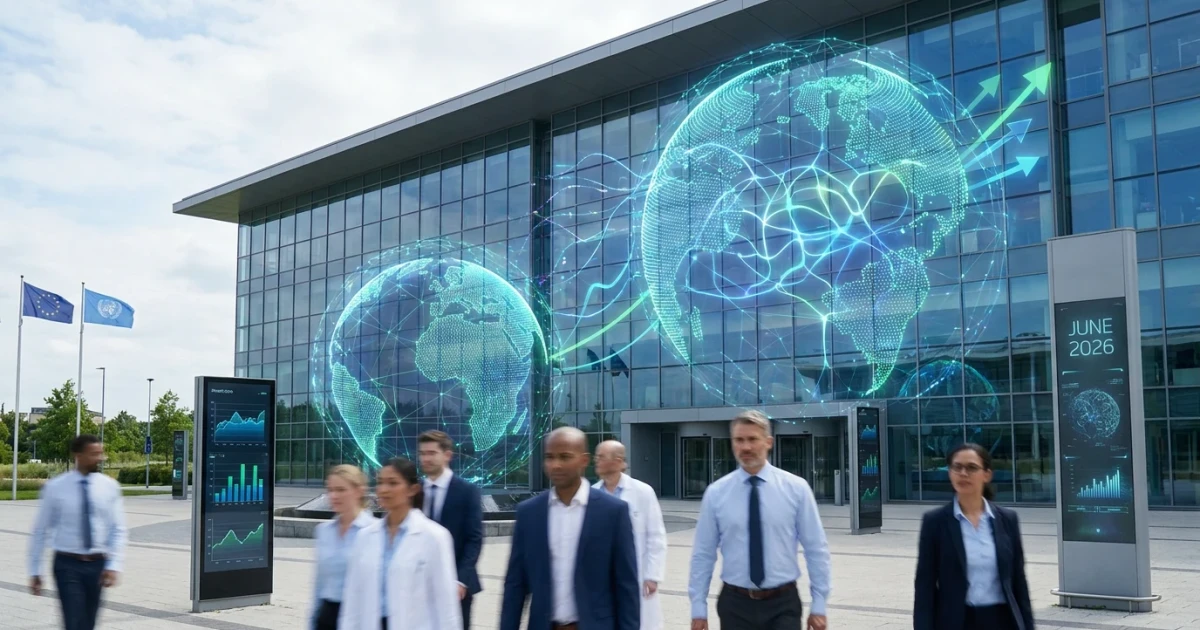
Artificial intelligence (AI) is rapidly transforming the landscape of global research, ushering in significant shifts in how scientific inquiry is conducted, coordinated, and prioritized. As highlighted by Eurasia Review, three major paradigm changes are emerging due to AI's development and integration into research processes, with broad implications for science, technology, and society.
Accelerated Research Cycles Through Automation
One of the most notable changes is the acceleration of research cycles, fueled by AI's ability to automate tasks such as data collection, analysis, and hypothesis generation. This automation enables researchers to process vast datasets and identify patterns far faster than traditional methods. According to OECD research and development statistics, the volume of scientific output has increased in recent years, with AI-driven tools contributing to faster publication and review timelines.
- AI algorithms now routinely analyze complex datasets, reducing the time needed to reach new findings.
- Automation of repetitive tasks frees up researchers to focus on creative and strategic aspects of science.
- Global R&D spending continues to rise, in part due to investments in AI infrastructure.
This shift is particularly evident in fields such as genomics, materials science, and climate modeling, where AI-powered platforms have enabled rapid progress and discovery.
New Models of Collaboration and Knowledge Sharing
The second major shift involves new models of international collaboration and knowledge sharing. AI facilitates large-scale, cross-border research partnerships by enabling seamless data exchange and real-time communication. Eurasia Review notes that these collaborations are often supported by cloud-based AI systems, allowing teams from different countries to work together efficiently.
- Open-source AI tools make it easier for researchers to share code, datasets, and findings.
- Global initiatives, such as UNESCO's artificial intelligence programs, encourage ethical and inclusive collaboration.
- AI-driven analytics help identify emerging trends and coordinate research priorities across disciplines.
Such collaborations are transforming how science is organized, promoting interdisciplinary approaches and democratizing access to advanced research tools.
Shifts in Scientific Priorities and Resource Allocation
Finally, AI is influencing the direction and priorities of scientific research. As AI systems identify new areas of inquiry and optimize resource allocation, funding agencies and institutions are increasingly directing investments toward AI-related projects. According to the Stanford AI Index Report, AI research now represents a significant portion of global R&D activity, with growth in publications, patents, and workforce participation.
- Emerging fields such as machine learning, robotics, and computational biology are attracting substantial funding.
- AI is being used to predict the impact of research investments and guide decision-making.
- Ethical considerations and regulatory frameworks are evolving to keep pace with rapid AI development.
This realignment of priorities is shaping the future of science, emphasizing innovation in AI applications and fostering a more adaptive research environment.
Looking Ahead: Opportunities and Challenges
While AI offers tremendous potential for advancing research, it also presents challenges related to data privacy, ethical standards, and equitable access. The integration of AI into global research paradigms will require ongoing investment, policy development, and international cooperation. For readers interested in deeper data and trends, resources such as National Science Foundation AI data and Scopus AI research analytics provide comprehensive insights.
As AI continues to reshape scientific inquiry, researchers, policymakers, and society will need to adapt to maximize its benefits while addressing its risks. The ongoing evolution of research paradigms driven by AI marks a pivotal moment in the history of global science.