Technology
AI Drives New Costs for Everyday Consumers
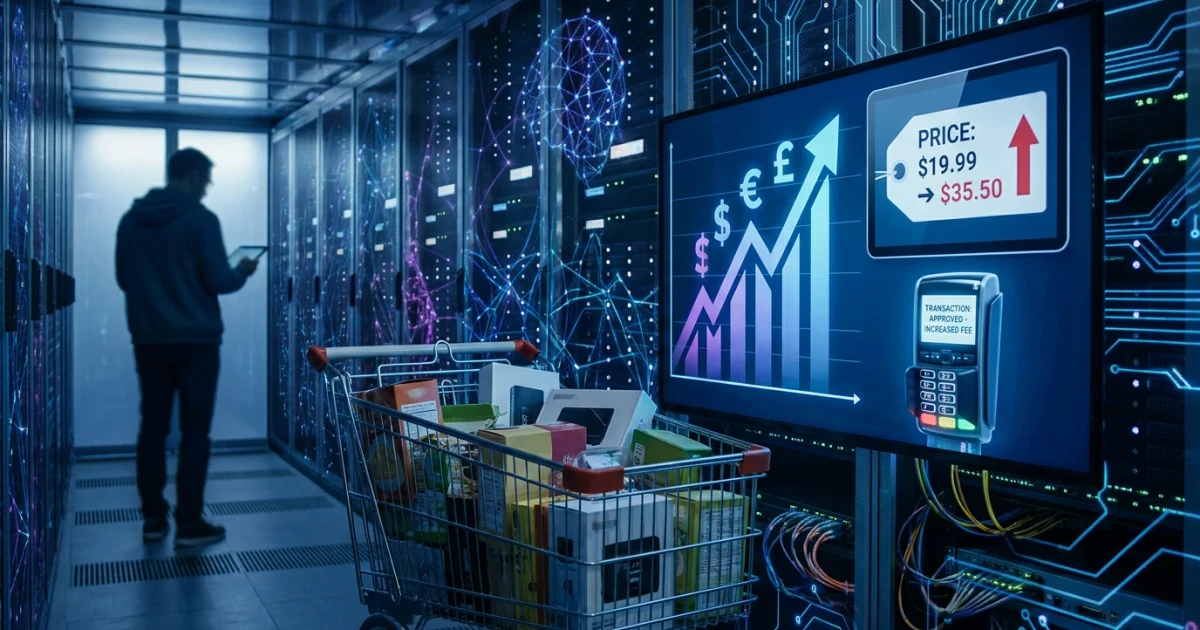
Artificial intelligence (AI) is increasingly embedded in consumer markets, transforming how companies price products and services. While AI promises efficiency and personalization, its growing use is also leading to unexpected cost increases for consumers, according to The Washington Post. By examining the latest trends and data, this article explores four key ways AI is making life more expensive, and what consumers should know about these shifts.
Dynamic Pricing: AI Makes Prices Less Predictable
One of the most significant impacts of AI in the retail and service sectors is dynamic pricing. AI algorithms analyze consumer behavior, demand patterns, and even browsing history to adjust prices in real time. As The Washington Post highlights, this technology allows companies to raise prices during periods of high demand or for certain customers based on their willingness to pay.
- Ride-sharing apps, airlines, and e-commerce platforms increasingly use AI-driven pricing models.
- Consumers may see prices fluctuate for the same item or service depending on time, location, or user profile.
- According to industry statistics, dynamic pricing adoption in retail is growing rapidly, impacting everything from groceries to hotel rooms.
This approach benefits companies by maximizing revenue, but it often leaves consumers paying more, especially when demand spikes or when AI identifies a higher willingness to pay.
AI-Driven Fees and Junk Charges
AI is also fueling a rise in junk fees and hidden charges. Companies use algorithms to identify opportunities to tack on extra costs—sometimes for services that were previously included or transparent. The Washington Post notes that AI can help businesses pinpoint where consumers are less likely to notice or object to added fees.
- Examples include service fees for ticket purchases, delivery surcharges, and payment processing costs.
- The Federal Trade Commission has seen a surge in complaints related to AI-enabled fee structures.
These costs, often small individually, can add up significantly over time, making everyday transactions more expensive and less transparent.
Personalized Pricing: AI Targets Individuals
Personalized pricing is another area where AI is changing the cost landscape. By leveraging vast troves of data, companies can offer different prices to different customers based on their purchasing history, location, and online behavior. The Washington Post emphasizes that this practice, enabled by AI, can result in consumers paying more than others for identical products or services.
- Personalized pricing is used in insurance, travel, and online retail.
- Research from the OECD outlines concerns about fairness and transparency in AI-driven pricing models.
- Consumers may have little visibility into why prices differ or how their data is being used.
This targeting can erode trust and make budgeting more difficult, especially for consumers unaware that their data is being used to set prices.
AI and Inflation: Impact on Consumer Price Index
The widespread adoption of AI in pricing strategies is contributing to inflationary pressures in certain sectors. As The Washington Post notes, AI enables companies to react quickly to market changes, sometimes raising prices in response to supply chain issues or shifting demand. This agility can accelerate price increases, affecting household budgets.
- Data from the Consumer Price Index (CPI) shows notable price increases in sectors with high AI adoption.
- The Federal Reserve reports that rising consumer prices, including those driven by technology and AI, are affecting household economic well-being.
While AI is not the sole driver of inflation, its role in pricing and supply chain management is making certain goods and services more expensive for the average consumer.
What Consumers Can Do
As AI continues to shape pricing and fees, experts advise consumers to:
- Compare prices across platforms and times to identify the best deals.
- Read the fine print for hidden fees and charges.
- Be aware of how personal data is used to personalize pricing.
Regulators are also beginning to scrutinize AI-driven pricing practices. The FTC and OECD have released analyses and recommendations for greater transparency and fairness in the marketplace.
Conclusion
AI is rapidly changing the economic landscape for consumers, leading to new costs and challenges. While the technology brings innovation and personalization, it also increases complexity and expense in everyday transactions. Staying informed and vigilant is key as AI's influence grows, shaping not just what consumers buy—but how much they pay.