Technology
AI Expands Role in Food Safety Monitoring
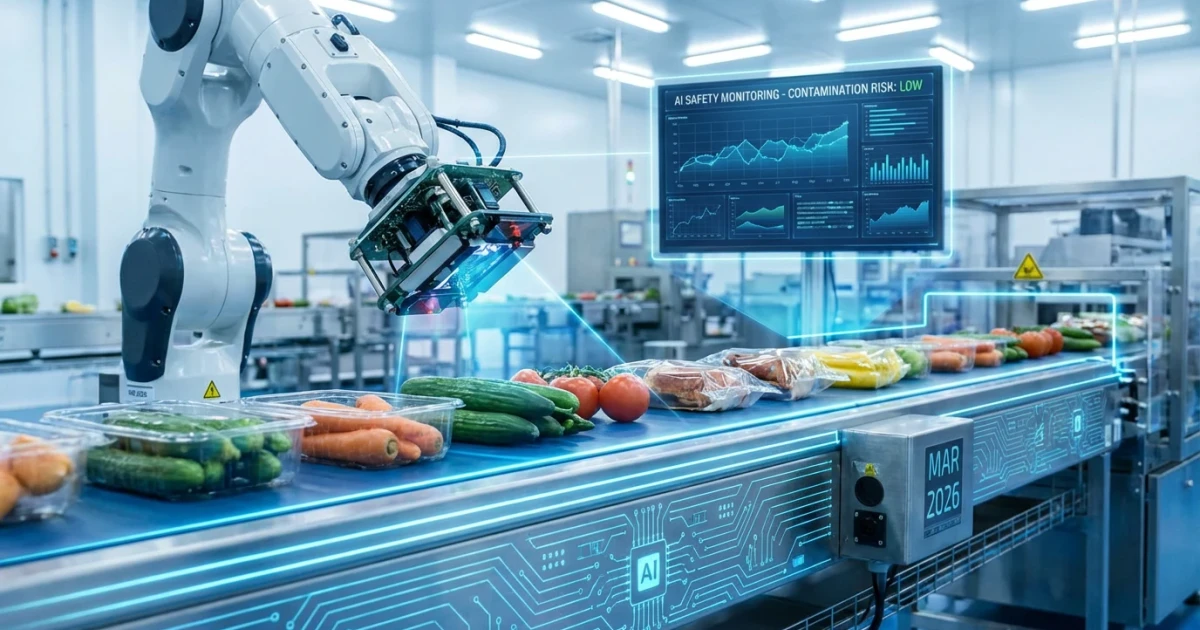
Artificial intelligence (AI) is gaining momentum as a key tool in the ongoing efforts to enhance food safety, offering new capabilities for detecting, predicting, and preventing contamination risks throughout the global supply chain. As the food industry faces increasing challenges from complex supply networks, emerging pathogens, and stringent regulations, AI-powered solutions are being adopted to bolster traditional safety protocols and reduce the risk of foodborne illnesses.
AI Applications Transform Risk Detection and Response
AI is being utilized to analyze vast quantities of data—from sensor outputs and production logs to laboratory test results—to identify anomalies that may indicate potential safety hazards. According to Food Dive, machine learning algorithms are especially effective at detecting patterns that might elude human inspectors, enabling earlier intervention and more accurate risk assessment.
- AI-driven image recognition can scan for contaminants or irregularities in processing lines by reviewing thousands of images per second.
- Natural language processing is helping companies monitor regulatory changes and scientific literature in real time, ensuring compliance with evolving food safety laws.
- Predictive analytics harness historical data to forecast the likelihood of specific hazards, so resources can be allocated where risk is highest.
These innovations help companies move from reactive measures—such as recalls and after-the-fact investigations—to a more proactive, prevention-oriented approach.
Enhancing Traceability and Outbreak Response
Traceability is essential for quickly containing outbreaks and pinpointing the sources of contamination. AI platforms can rapidly cross-reference shipment records, ingredient origins, and temperature data to map the journey of a potentially compromised product. This fast, data-driven response is crucial, given that foodborne illness outbreaks affect millions in the U.S. each year, according to the Centers for Disease Control and Prevention.
Food Dive reports that major food manufacturers and retailers are collaborating with technology providers to deploy AI-powered traceability solutions, resulting in shorter recall windows and fewer affected consumers. These systems also support compliance with international standards such as ISO 22000, which emphasize robust tracking and rapid response mechanisms.
Industry Adoption and Challenges
While adoption is growing, Food Dive notes that integrating AI into food safety programs is not without challenges. Barriers include high implementation costs, the need for clean and well-organized data, and the requirement for specialized personnel to manage and interpret AI outputs. Smaller companies may find these hurdles more difficult to overcome, potentially widening the gap between large multinational corporations and smaller suppliers.
Nevertheless, industry experts agree that AI’s potential to improve food safety outcomes is significant. Pilot projects have demonstrated substantial reductions in detection times and improved accuracy in identifying contaminants and predicting recalls. Companies are also investing in workforce training to ensure that human expertise complements AI-driven insights, rather than being replaced by automation.
Global Context and the Future of Food Safety
The promise of AI extends beyond national borders. As the World Health Organization notes in its global food safety data, food safety incidents remain a major public health concern worldwide. AI technologies can help harmonize standards, facilitate data sharing, and enhance the capacity of regulators and industry participants to prevent cross-border outbreaks.
Looking ahead, analysts expect continued investment in AI-powered food safety solutions, particularly as new regulations and consumer expectations drive demand for transparency and accountability. The convergence of AI, blockchain, and IoT is likely to yield even stronger safeguards against contamination and fraud in the years to come.
As AI continues to evolve, its role in food safety is expected to grow, equipping the industry with new tools to protect consumers and ensure the integrity of the global food supply.