Technology
AI+ Expo Highlights Trends in Urban Technology
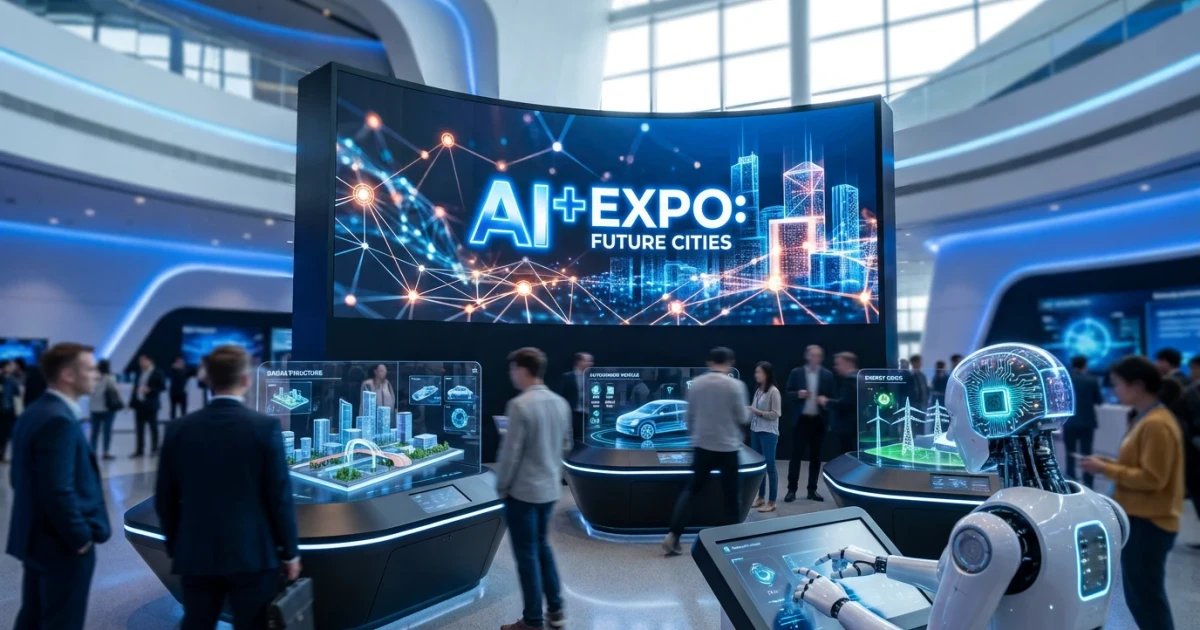
Artificial intelligence (AI) took center stage at the recent AI+ Expo, where policymakers, technology leaders, and city officials gathered to discuss the latest advancements, challenges, and regulatory efforts shaping the future of urban technology. The event drew international attention as experts debated how cities can harness AI's power while managing complex risks.
Major Announcements and New Products
- Developers unveiled innovative AI-driven platforms designed to streamline city services, including smart traffic management and predictive maintenance for public infrastructure.
- Several companies introduced tools for real-time data analysis to help municipalities respond more effectively to emergencies and optimize resource allocation.
According to the AI+ Expo summary, attendees saw demonstrations of next-generation AI assistants for government offices, new urban mobility solutions using machine learning, and platforms for citizen engagement leveraging natural language processing.
Regulatory Landscape and Risk Management
As AI adoption accelerates, concerns over privacy, security, and bias dominated panel discussions. Experts referenced the NIST AI Risk Management Framework, a federal guideline offering best practices for assessing and mitigating AI risks in public and private deployments.
Multiple speakers emphasized the importance of ethical frameworks, with some referencing the Blueprint for an AI Bill of Rights as a model for ensuring transparency, accountability, and fairness in AI systems used by government agencies.
Urban Innovation and AI Integration
City officials shared case studies on how AI technologies are already transforming public services:
- Automated systems for traffic control, reducing congestion and emissions
- Predictive analytics to improve emergency response times and resource deployment
- AI-powered platforms enabling better communication between residents and city departments
Leaders cited data from the National League of Cities' 2024 AI report showing a growing majority of U.S. cities are investing in AI, with over half piloting or deploying at least one AI application in the past year.
Challenges and Diverse Perspectives
Despite optimism, several speakers warned of risks, including algorithmic bias, cybersecurity threats, and workforce impacts. Some city leaders called for greater federal oversight, while others advocated for more local control and flexibility. The event reflected a broad consensus on the need for ongoing collaboration among technologists, policymakers, and community members.
Looking Forward
As urban areas become increasingly reliant on AI, the AI+ Expo demonstrated both the promise and complexity of integrating advanced technology into public life. The coming years will likely see continued debate on ethical standards, regulatory frameworks, and the best ways to ensure AI serves the public good.