Technology
AI for Business Program Builds Skills at Boston University
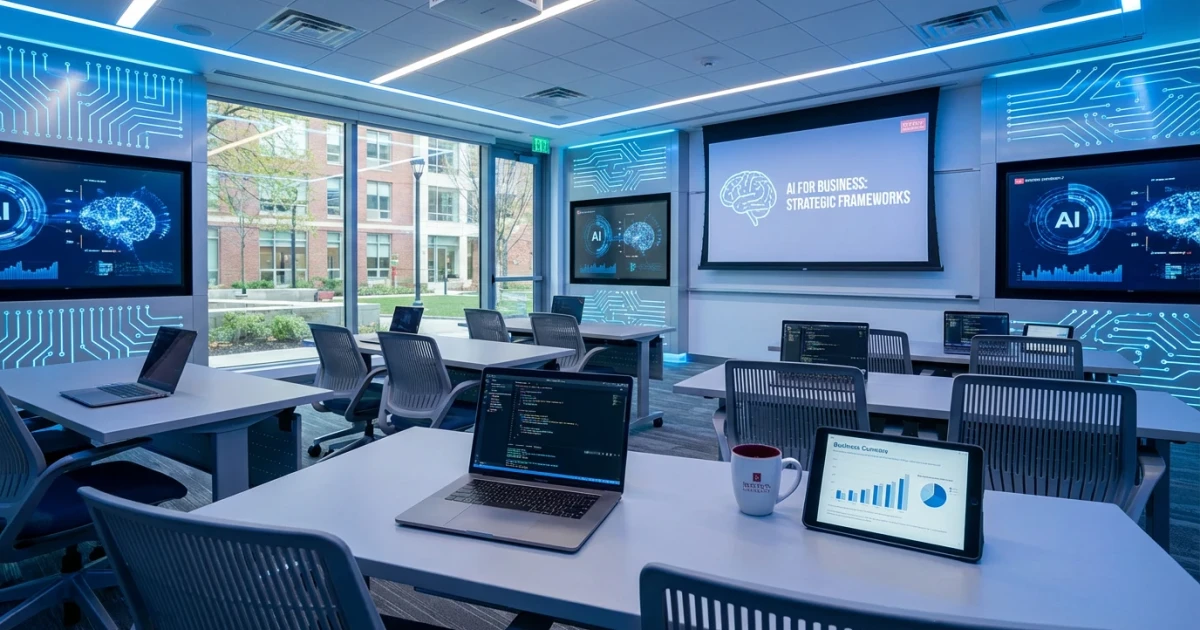
Boston University is positioning its graduates for the future of work with its AI for Business program, which aims to equip students with the essential frameworks and playbooks needed to harness artificial intelligence effectively in business settings. The program reflects the growing demand for business professionals who can bridge the gap between technology and strategic decision-making.
Comprehensive Curriculum for Applied AI Skills
The AI for Business program at Boston University's Questrom School of Business provides students with a robust curriculum that balances theoretical understanding and hands-on application. According to the official program page, the coursework covers:
- Core AI concepts and frameworks for strategic business use
- Ethical considerations and governance in AI implementation
- Development of playbooks for deploying AI tools in real-world business challenges
- Hands-on projects using data-driven approaches to drive value and innovation
This approach aims to ensure that graduates are not only conversant in the technical aspects of artificial intelligence but are also prepared to lead AI initiatives within diverse organizations.
Frameworks and Playbooks: Translating Theory to Practice
A distinctive element of the program is its focus on frameworks and playbooks—structured guides that help students move from conceptual understanding to actionable strategy. Through case studies, group work, and simulation exercises, students learn how to evaluate AI opportunities, manage implementation risks, and measure outcomes against business objectives. This is in line with emerging industry expectations for business leaders who can both understand and operationalize AI solutions.
Skills and Competencies Developed
Graduates of the program acquire a suite of skills tailored for the rapidly changing business landscape. According to curriculum details and program outcomes, these include:
- AI literacy and strategic analysis
- Ability to design and implement AI-driven business solutions
- Understanding of data privacy, ethics, and responsible AI use
- Collaboration in cross-functional teams for innovation projects
- Communication of AI value to stakeholders and leadership
These skills are highly sought by employers, as reflected in the National Association of Colleges and Employers AI in the Workplace Benchmarking Report, which highlights increasing demand for AI-proficient business graduates.
Meeting Industry and Market Needs
As artificial intelligence continues to reshape the business world, educational programs like Boston University's are adapting to ensure that students are ready for new career pathways. The AACSB Insights Report on Artificial Intelligence and Business Education notes that integrating AI into business school curricula is now considered essential for preparing future managers and executives. This sentiment is echoed in industry research, such as IBM's Enterprise Guide to AI Skills, which emphasizes the need for practical playbooks and frameworks in workforce training.
The U.S. Bureau of Labor Statistics projects continued growth in business and financial occupations—roles where AI and data literacy are becoming core competencies. This further reinforces the importance of programs that blend technical knowledge with business acumen.
Looking Ahead
As artificial intelligence becomes an integral part of business decision-making, Boston University's AI for Business program offers a model for how educational institutions can prepare students for the new demands of the workforce. By focusing on both foundational frameworks and pragmatic playbooks, the program ensures graduates are well-positioned to lead and innovate in an AI-driven world.