Technology
AI for Good Summit Explores Human-Machine Partnership
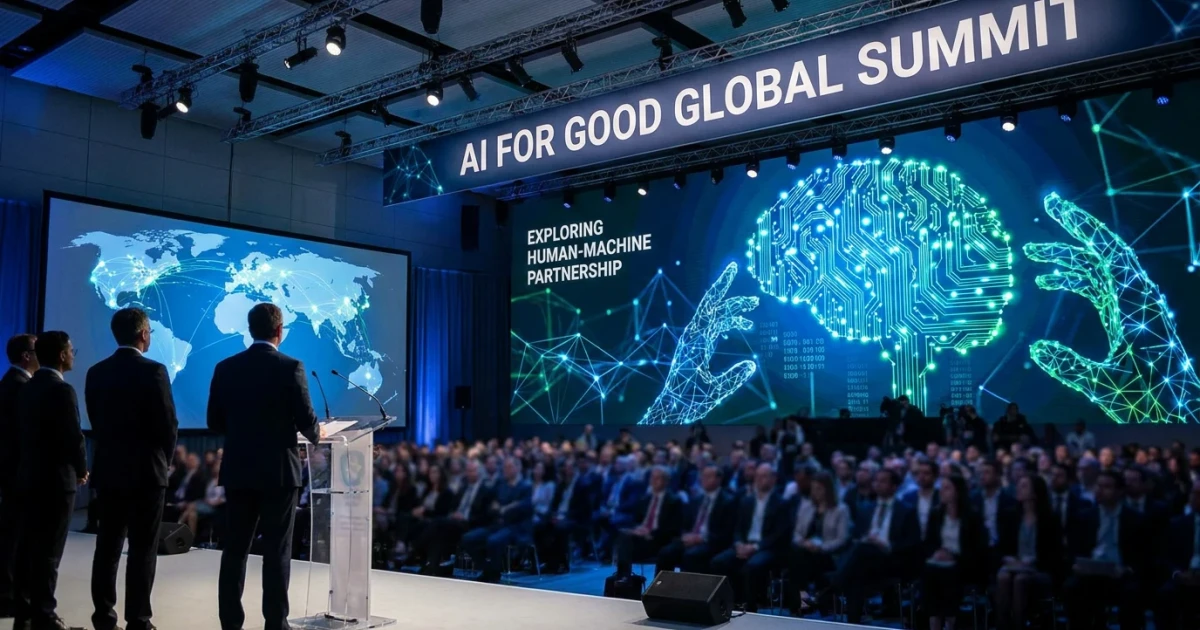
Artificial intelligence continues to transform industries, societies, and everyday life, prompting new discussions about its ethical boundaries and practical applications. The AI for Good Global Summit serves as a focal point for these conversations, gathering technologists, policymakers, and researchers to examine how AI can be harnessed for societal benefit and what it means to collaborate with machines rather than compete against them.
Summit Focus: Ethics, Collaboration, and Societal Impact
As covered by the Wall Street Journal, the summit emphasizes the importance of building trust between humans and machines. Discussions center on how AI systems—ranging from everyday digital assistants to advanced robotics—can improve healthcare, education, and environmental sustainability while respecting human values. The event’s agenda reflects a growing recognition that the question is not just what AI can do, but how it should do it.
- Experts call for clear ethical frameworks, referencing initiatives like the UNESCO Recommendation on the Ethics of Artificial Intelligence.
- Sessions highlight AI’s potential for positive impact, such as aiding climate monitoring or improving medical diagnostics.
- Panelists stress the need for transparent data and performance metrics in AI deployment.
Challenges: Bias, Accountability, and Human Identity
One recurring theme at the summit is the challenge of bias in machine learning algorithms. Attendees note that while AI can streamline processes and reveal patterns, it can also perpetuate inequalities if not carefully managed. The Wall Street Journal reports that many participants advocate for diverse datasets and ongoing audits to mitigate these risks.
Another concern is accountability. With AI systems making increasingly complex decisions, who is responsible when things go wrong? Summit speakers reference the NIST AI risk management frameworks as examples of emerging standards, but consensus on global regulation remains elusive.
Finally, the summit explores questions of human identity and agency. As automation becomes more prevalent, there is a growing need for people to understand how machines operate—and for machines to be designed in ways that support human dignity. The phrase “I am not a robot”—often used in online verification—takes on new meaning, symbolizing a desire to distinguish and safeguard the unique qualities of human intelligence and creativity.
Public Attitudes and Policy Response
Public opinion on AI remains mixed. According to survey data from Pew Research, many people express optimism about AI’s ability to solve big problems, but also worry about job displacement and loss of privacy. Policymakers at the summit discuss ongoing efforts to craft legislation that balances innovation with protection, including moves by the European Commission to regulate AI based on risk levels.
- Efforts are underway to establish international guidelines for AI ethics.
- There is broad support for public education initiatives to help people navigate an AI-powered world.
Looking Forward: Human-Machine Learning
The AI for Good Global Summit underscores the need for ongoing dialogue. As AI evolves, so must strategies for governance, education, and collaboration. The event’s message is clear: harnessing AI for positive outcomes requires both technical innovation and social responsibility. The phrase “learning the machines” reflects not just technical mastery, but a deeper process of understanding how AI can complement human life and society.
For more detailed records, project descriptions, and downloadable reports, readers can visit the AI for Good Global Summit official page.