Technology
AI Gains Attention as Congress Debates Regulation
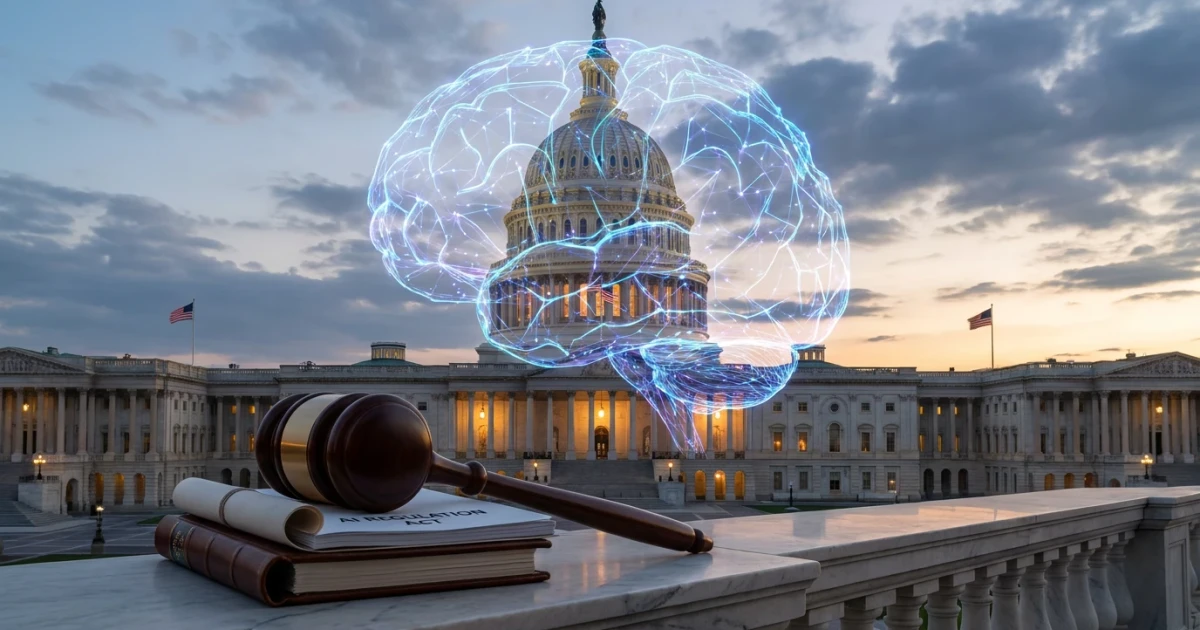
Artificial intelligence is taking center stage on Capitol Hill, as lawmakers, policy experts, and technology leaders increasingly debate how best to regulate and oversee this rapidly advancing technology. According to reporting from The Washington Post, the issue has become a prominent topic in congressional briefings and hearings, reflecting both the opportunities and challenges posed by AI across government, industry, and society.
Legislative Activity Intensifies
Congress has ramped up its focus on AI, with multiple bills and proposals under consideration. Among the most significant legislative efforts is the Artificial Intelligence (AI) in Government Act of 2023, which aims to set standards for ethical and effective use of AI in federal agencies. The bill outlines requirements for transparency, accountability, and risk management, reflecting concerns about AI's impact on public services and decision-making.
- The Act proposes regular audits and reporting on AI systems used by government entities
- It seeks to establish clear guidelines for the procurement and deployment of AI technologies
- There is an emphasis on protecting privacy and civil rights when AI is applied to sensitive areas
Oversight and Ethical Considerations
In addition to legislative efforts, oversight hearings are becoming more frequent. Lawmakers are calling for greater scrutiny of how AI systems affect employment, privacy, and security. The White House has released a Blueprint for an AI Bill of Rights, which lays out principles such as safe and effective systems, algorithmic discrimination protections, and data privacy.
These frameworks are designed to guide both regulatory bodies and private sector developers, ensuring that AI technologies are deployed in ways that align with democratic values and societal expectations. Congressional committees are also reviewing testimony from experts and industry leaders, examining potential risks such as bias, misinformation, and unintended consequences in AI-driven processes.
Public Opinion and Policy Challenges
Public attitudes towards AI in government remain mixed, with citizens expressing both optimism and concern. According to recent Pew Research Center surveys, many Americans acknowledge AI's potential to improve efficiency but worry about privacy and job displacement.
- Majority support for transparency in government use of AI
- Concerns about accountability and potential for errors in automated systems
- Calls for clear regulatory frameworks to manage ethical risks
Looking Ahead
As AI technology evolves, Congress faces the complex task of balancing innovation with oversight. Ongoing debates are expected to shape the future of AI policy, with lawmakers seeking input from a broad spectrum of stakeholders. The increased legislative activity and public engagement signal that AI will remain a significant focus on Capitol Hill in the coming months.
For readers interested in the specifics of current proposals, the House Committee on Energy & Commerce maintains records of AI oversight hearings, providing insights into the questions and concerns guiding congressional action.
With new bills, frameworks, and public discourse emerging, the outcome of these deliberations will shape how AI is governed in the United States—a process that will require careful attention to both technical progress and societal impact.