Health
AI-generated wellness ads push fake miracle cures to older women
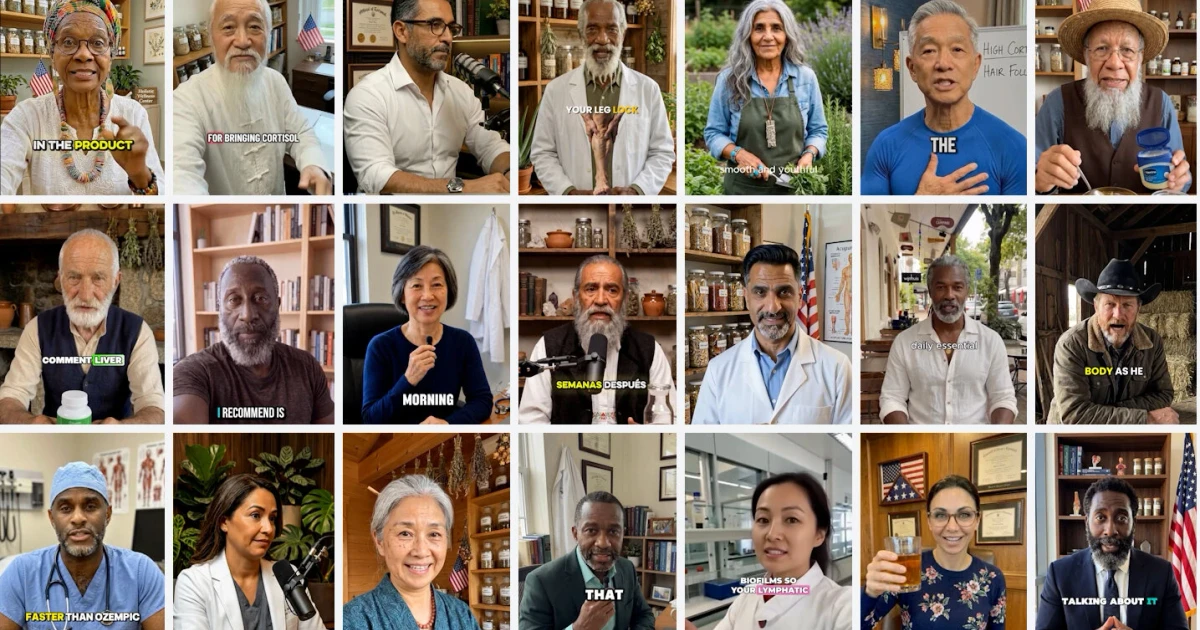
The New York Times said it found hundreds of A.I.-generated doctors, healers and wellness influencers promoting supplements on social media, with many of the hyperrealistic ads promising medical miracles and appearing to target older women. The ads were built for profit, and the fake authority behind them made the sales pitch look medical before any buyer could test it. That is the consumer-protection failure now running through wellness marketing online.
ABC News Chief Investigative Correspondent Aaron Katersky has highlighted the same pattern as part of a wider wave of AI deception in online commerce. ABC News previously showed scores of online resellers using AI to pose as mom-and-pop stores, and ABC News also reported on TikTok's plan to contain AI-generated avatars of influencers. The same synthetic tools that can fake a storefront can also fake a doctor, a healer or a friendly expert with a ready-made cure.
The regulatory response has not kept pace. The Federal Trade Commission maintains health-claims guidance for businesses, and the agency has cracked down on wellness marketing tactics, including supplement sellers touting bogus celebrity endorsements. That matters because the ads at issue do not just mislead about branding; they can push buyers toward products that borrow the look of medicine without carrying medical proof.
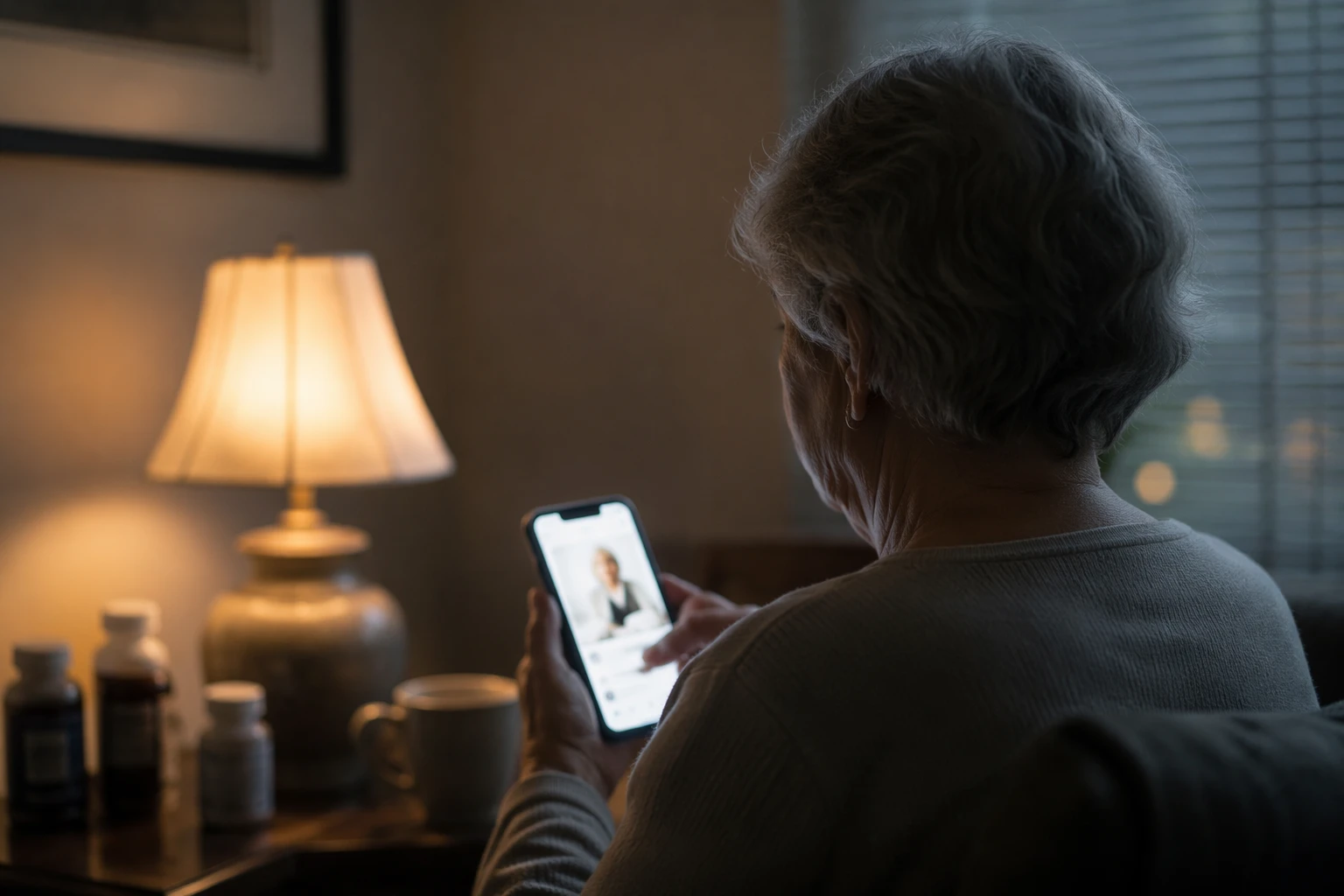
The risk reaches beyond supplements. ABC News reported in June 2024 that influencers were spreading misinformation and discouraging sunscreen use, showing how the same machinery can steer people away from basic health precautions as easily as it can sell false cures. The warning signs are plain: a doctor who exists only in a feed, a promise of medical miracles, and a sales pitch that treats a supplement like a diagnosis.
Sources
- [1]abcnews.com
- [2]nytimes.com
- [3]ftc.gov
- [4]marketplace.org
- [5]supplysidesj.com