Technology
AI, geopolitics dominate China’s Summer Davos as growth slows
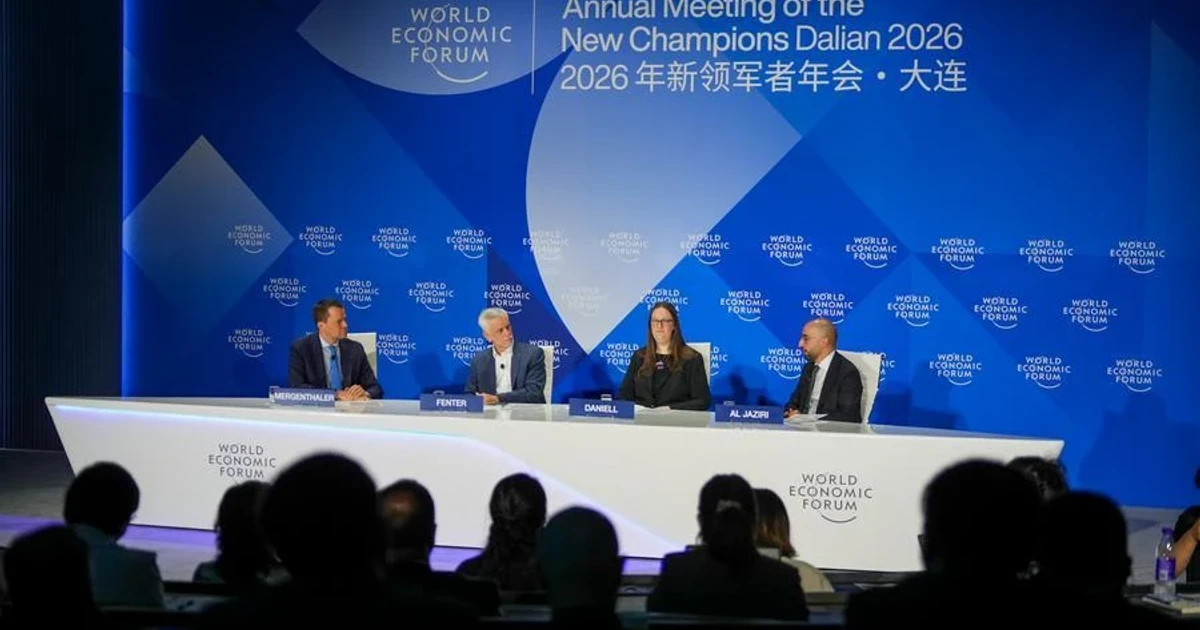
Artificial intelligence and geopolitical risk set the tone in Dalian as China’s Summer Davos gathered amid a weaker global outlook, with the World Bank trimming its 2026 growth forecast to 2.5%, the lowest pace since the COVID-19 pandemic. The slowdown framed a meeting where leaders were selling AI as a growth engine even as they warned it could widen job losses, security breaches and cross-border fragmentation.
The 17th Annual Meeting of the New Champions ran in Dalian from June 23 to June 25 under the theme “Innovating at Scale.” The World Economic Forum said the meeting was bringing together more than 1,500 to 1,700 leaders from more than 90 countries, with a strong focus on Asia and on how innovation can be scaled into broader economic growth. The forum has held the Dalian gathering since 2007 as a flagship platform for entrepreneurship and next-generation growth companies.
Mirek Dusek, a managing director at the World Economic Forum, said AI was changing industry and opening opportunities in education, health care and other sectors, but he also warned that governments risk a backlash against frontier technologies if policy fails to keep pace. That tension ran through the meeting’s agenda, where concern was growing over AI-driven labor disruption, cyber-defense breaches and the use of AI in conflict. In the forum’s Global Cybersecurity Outlook 2026, cybersecurity risk this year was described as accelerating because of AI advances, deepening geopolitical fragmentation, supply-chain complexity and cyber inequity.
The broader macroeconomic backdrop was no more reassuring. The World Bank linked its downgrade to the Middle East conflict, higher energy prices, steeper inflation and tighter borrowing conditions, all of which are weighing on an already tepid world economy. Dusek said fragmentation threatens global growth if countries fail to cooperate, an argument that echoed across sessions on trade, technology and investment.
Chinese Premier Li Qiang was due to deliver a closely watched speech, giving Beijing’s number-two leader a chance to reassure business leaders about an economy still hampered by weak household consumption and property-sector debt. Chinese state media said Li also said China would continue to participate in global governance on artificial intelligence and other domains, a signal that Beijing wants to be seen not only as a beneficiary of the next technology wave but as a rule-setter.

A Harvard Kennedy School professor added another layer of urgency, warning that a potential war between the United States and China remains very much on the table. Against that backdrop, Summer Davos looked less like a technology celebration than a test of whether major powers can agree on the rules for AI before its benefits are swallowed by the costs.
Sources
- [1]straitstimes.com
- [2]weforum.org
- [3]worldbank.org
- [4]china.org.cn