Health
AI Helps Woman Uncover Rare Disease After Years of Misdiagnosis
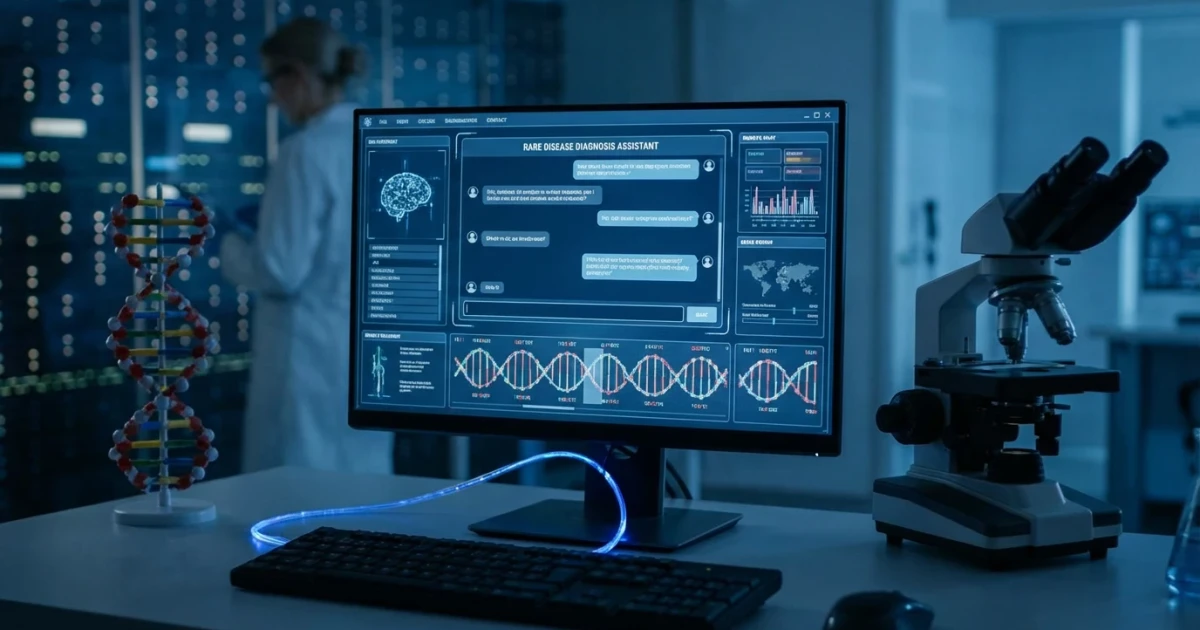
After years of inconclusive medical appointments, a 23-year-old woman finally discovered the cause of her symptoms—not from her doctors, but with the help of ChatGPT. Her story, first reported by the New York Post, highlights the growing role of artificial intelligence in diagnosing rare diseases that often elude traditional medical scrutiny.
The Long Road to Diagnosis
According to the New York Post, the young woman suffered from a variety of unexplained symptoms over several years. Despite consulting multiple healthcare professionals, she was repeatedly misdiagnosed or told her symptoms were unrelated. Such experiences are common among patients with rare diseases. Data from the Centers for Disease Control and Prevention show that over 25 million Americans live with a rare disease, and many face lengthy diagnostic odysseys.
- The NIH estimates the average time to diagnose a rare disease is about 7 years.
- Patients often consult multiple specialists and undergo numerous tests before arriving at a correct diagnosis.
- There are more than 7,000 recognized rare diseases worldwide, many of which present with overlapping or non-specific symptoms.
Turning to Artificial Intelligence
Frustrated by the lack of answers, the woman entered her symptoms into ChatGPT, the artificial intelligence chatbot developed by OpenAI. In a matter of minutes, ChatGPT suggested a rare genetic disorder that matched her experience—something no doctor had previously considered.
This outcome aligns with recent research showing that AI-powered tools can analyze large volumes of medical literature and symptom data, identifying patterns that may be overlooked by clinicians. While AI is not a replacement for medical professionals, its ability to synthesize information rapidly can offer valuable support in complex cases.
Diagnostic Delays and Their Impact
Delays in diagnosis can lead to worsening health outcomes, unnecessary treatments, and significant emotional distress. A peer-reviewed study found that diagnostic delays for rare diseases are linked with increased risk of complications and higher healthcare costs. Early and accurate identification is crucial for initiating appropriate care and improving quality of life.
The Promise and Limitations of AI in Medicine
Experts caution that while AI tools like ChatGPT show promise, they must be integrated thoughtfully into healthcare settings. The FDA has established frameworks for the development and approval of AI-driven diagnostic technologies, emphasizing the need for validation and oversight.
- AI can assist by suggesting potential diagnoses based on symptom input and medical literature.
- It can help surface rare conditions that generalist physicians may not routinely consider.
- However, AI-generated suggestions should always be reviewed and confirmed by qualified healthcare providers.
Increasing Awareness and Access
The woman’s story underscores the importance of patient advocacy and the potential for technology to bridge gaps in the healthcare system. As AI becomes more accessible, patients with rare or complex symptoms may find new avenues to pursue answers, especially in cases where conventional methods fall short.
Looking Forward
While this individual case demonstrates the positive impact AI can have, experts agree that more research is needed to ensure these tools are used safely and effectively. Collaborative efforts between clinicians, patients, and technologists will be crucial for realizing the full potential of AI in rare disease diagnosis.
For those navigating unexplained symptoms, the integration of artificial intelligence into healthcare offers hope—but also a reminder of the importance of continued human expertise and compassion in medicine.