Technology
AI humanizers fuel a new arms race in schools
The newest weapon in the classroom cheating fight is not a detector but a disguise. Big tech companies and start-ups are promoting AI humanizers on social media, tools built to rewrite machine-generated text so it can slip past teachers and software checks.
OpenAI warned in 2023 that it is impossible to reliably detect all AI-written text, and that warning has become the backdrop to a fast-moving contest between detection and evasion. Turnitin answered on August 27, 2025, with AI bypasser detection aimed at text altered by humanizer tools. Its detection model was updated again on October 14, 2025, and February 12, 2026, and a May 2026 product update said the Writing Report will soon add AI-writing detection results in a pasted-text card. OpenAI has also shifted toward content provenance signals, a sign that even the company behind ChatGPT sees detection as a limited path.
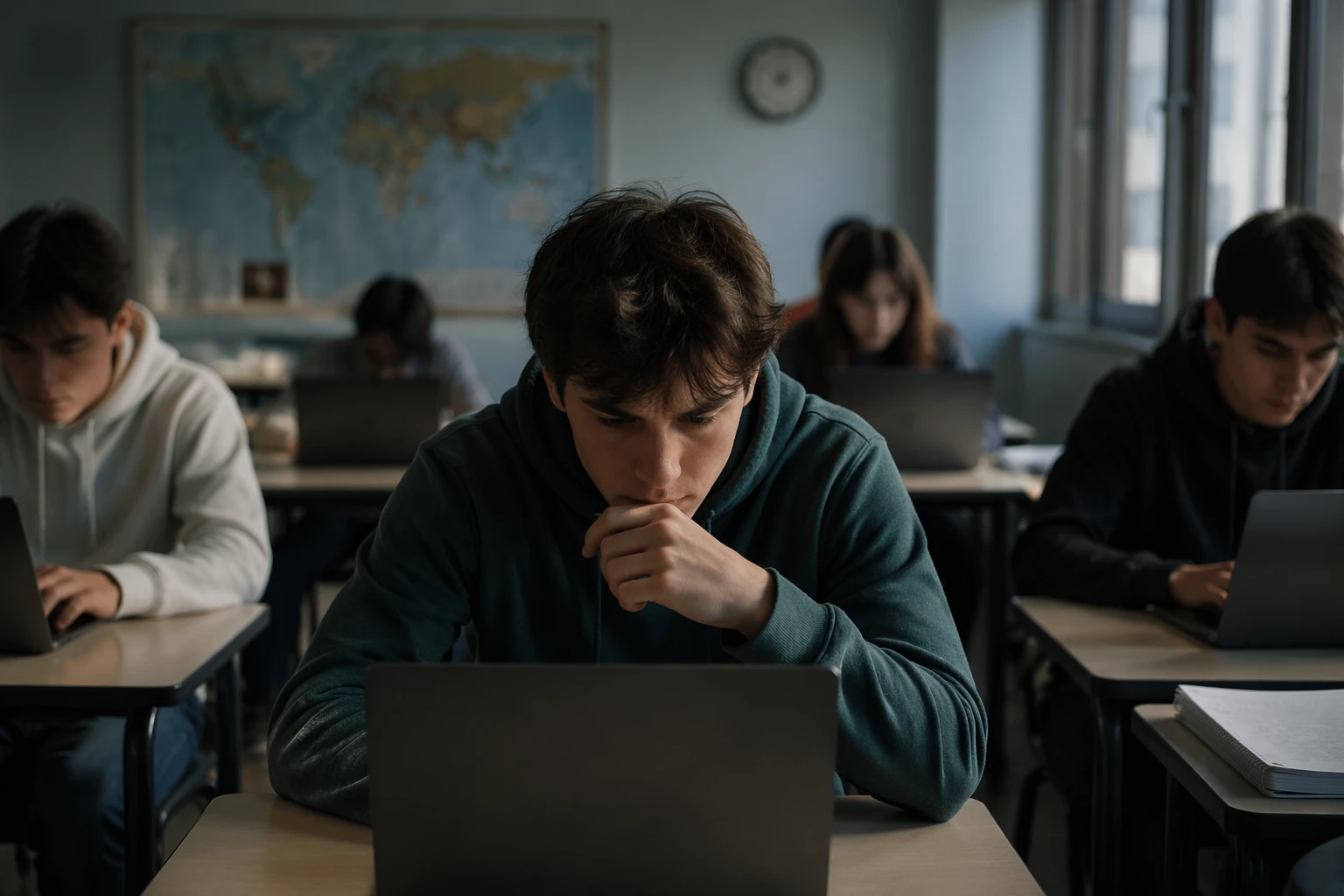
The pressure is changing classroom behavior. Bloomberg reported in 2024 that about two-thirds of teachers regularly used AI-detection tools, but those scores have never been definitive. Turnitin says AI-writing detection should be treated as a signal, not a verdict, a caution shaped by research and reporting showing false positives, especially for multilingual and non-native English writers. That uncertainty matters because school discipline can now hinge on a software reading that may not hold up under scrutiny.
Students are adapting just as quickly. NBC News reported in 2026 that some college students were dumbing down their work, spying on themselves, and using AI humanizer programs to avoid accusations of cheating. That response has helped create a market for the very tools schools are trying to block, turning academic integrity into a moving target.

The deeper problem may be larger than detection failure. If essays can be drafted, translated, softened, and disguised in seconds, then homework, take-home tests, and some classroom writing assignments are being judged by a system built for a different era. The result is a brittle arms race: teachers lean harder on software, students learn to game it, and schools are left deciding whether the weak link is the detector, the discipline policy, or the design of the assignment itself.
Sources
- [1]nytimes.com
- [2]openai.com
- [3]turnitin.com
- [4]guides.turnitin.com
- [5]nbcnews.com
- [6]bloomberg.com
- [7]sciencedirect.com