Technology
AI in Classrooms Raises Promise and Concerns
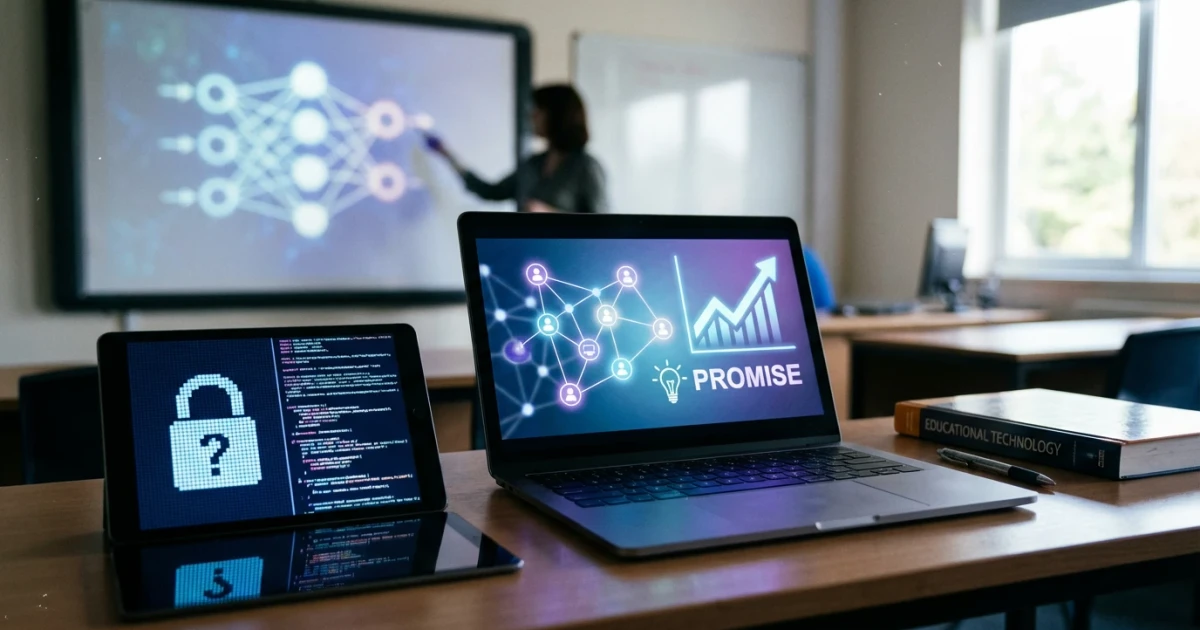
Artificial intelligence (AI) is rapidly becoming a fixture in classrooms across the United States, offering new opportunities for personalized learning and efficiency. However, as highlighted by education expert Spina in a recent assessment at Slippery Rock University, the use of AI in schools also introduces critical risks that educators and policymakers must address.
The Growing Role of AI in Education
AI technologies are increasingly used for tasks such as grading assignments, tailoring lesson plans to individual students, and providing real-time feedback. According to the National Center for Education Statistics, over 60% of U.S. K-12 schools report some form of AI integration, ranging from adaptive learning platforms to automated administrative tools.
- AI-powered apps help teachers identify students who need extra help
- Automated systems can streamline tasks like attendance tracking and test scoring
- Personalized learning platforms adjust content based on student performance
Potential Benefits for Students and Teachers
Advocates point out that AI can dramatically enhance classroom experiences. By analyzing large amounts of data, these systems can tailor instruction to individual needs, potentially improving outcomes for students with diverse learning styles or special needs. The EdSurge Special Report notes that many teachers appreciate how AI tools free up time for creative lesson planning and direct engagement with students.
Risks and Ethical Challenges
Despite these advantages, Spina and other experts caution that AI introduces significant risks. Chief among these concerns are student data privacy and the potential for algorithmic bias. As highlighted in the Common Sense Media research, more than 40% of educators surveyed worry that AI systems could misuse sensitive student information.
- AI tools may inadvertently reinforce existing biases in educational materials
- Automated decisions can lack transparency, making it hard to understand or challenge outcomes
- Reliance on technology may widen equity gaps if access is unequal
Spina’s assessment underscores the importance of regulatory frameworks and ongoing evaluation to ensure that AI in education serves students fairly and responsibly.
Balancing Innovation with Safeguards
Numerous organizations, including the U.S. Department of Education and UNESCO, are developing guidelines and best practices for safe and equitable AI deployment in schools. These include recommendations for transparent data handling, ongoing teacher training, and mechanisms for students and parents to understand how AI influences learning.
International research from the OECD emphasizes that AI should support, not replace, the essential human relationships at the heart of education.
Looking Ahead
As classroom AI adoption continues to grow, the conversation is shifting from whether to use AI in education to how to use it responsibly. Spina’s assessment at Slippery Rock University reflects a broader consensus: while AI offers tremendous potential, careful oversight and inclusive input from all stakeholders are critical to ensuring its benefits reach every learner.