Technology
AI in Schools Faces Challenges and Opportunities
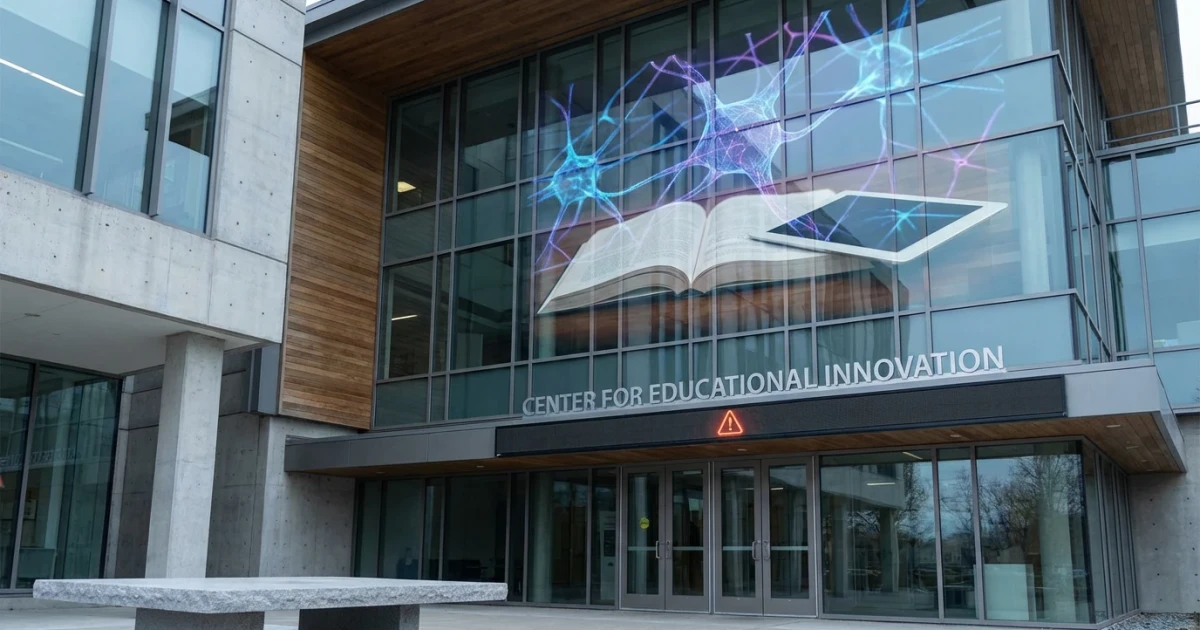
Artificial intelligence (AI) is rapidly gaining ground in U.S. public schools, but its future remains uncertain as educators, policymakers, and parents weigh the benefits against significant risks. While some experts warn that AI adoption could spell disaster for education if mishandled, others see opportunities for meaningful improvement—provided schools proceed with caution and clear guidelines.
Growing Presence of AI in Education
AI tools, from adaptive learning platforms to essay graders and tutoring chatbots, are increasingly appearing in classrooms. According to the latest NCES survey, schools are experimenting with AI to personalize learning, automate administrative tasks, and analyze student data. The U.S. Department of Education has launched several initiatives to guide responsible AI adoption, emphasizing the need for transparency, equity, and ongoing teacher training.
Concerns Over Equity, Privacy, and Human Connection
In commentary from EdSource, critics argue that AI could exacerbate educational inequities if not thoughtfully implemented. Schools with fewer resources may struggle to access high-quality AI tools or the infrastructure needed to support them. There are also concerns about student data privacy and the risk of bias in AI algorithms, which can reinforce existing disparities in outcomes.
- Equity gaps may widen if wealthier districts adopt advanced AI while underfunded schools lag behind.
- Data security remains a top worry, especially with sensitive student information processed by third-party AI vendors.
- Loss of human touch: Some educators fear that overreliance on AI could undermine the essential teacher-student relationship and diminish social-emotional learning.
Policy Guidance and the Path Forward
Despite these challenges, many experts and education officials believe AI can be a force for good if schools establish robust policies. The RAND Corporation urges districts to invest in staff training, prioritize transparency in AI decision-making, and regularly assess impacts on student outcomes. The Department of Education’s guidance stresses that AI should support—not replace—teachers, and that community input is essential in shaping AI use.
International analysis by the OECD highlights the importance of clear ethical frameworks and ongoing evaluation. Case studies show that AI can help identify students at risk, personalize lessons, and free teachers from repetitive tasks, but only when integrated thoughtfully and with safeguards in place.
Balancing Innovation and Responsibility
As AI technologies become more sophisticated, schools are urged to strike a balance between innovation and caution. Initiatives described in the official Department of Education guidance recommend piloting AI tools in limited settings, collecting feedback from teachers, students, and families, and making adjustments before scaling up.
Resources like the Common Sense Media AI in Education research provide school communities with up-to-date findings on student and teacher attitudes, helping inform adoption strategies.
Looking Ahead
While the debate on AI in schools is far from settled, there is broad agreement that its impact will depend on how thoughtfully it is implemented. Ongoing policy development, transparent communication, and a commitment to equity will be essential to ensuring that AI helps—rather than harms—students and teachers.