Politics
AI money floods New York primary in fight over regulation
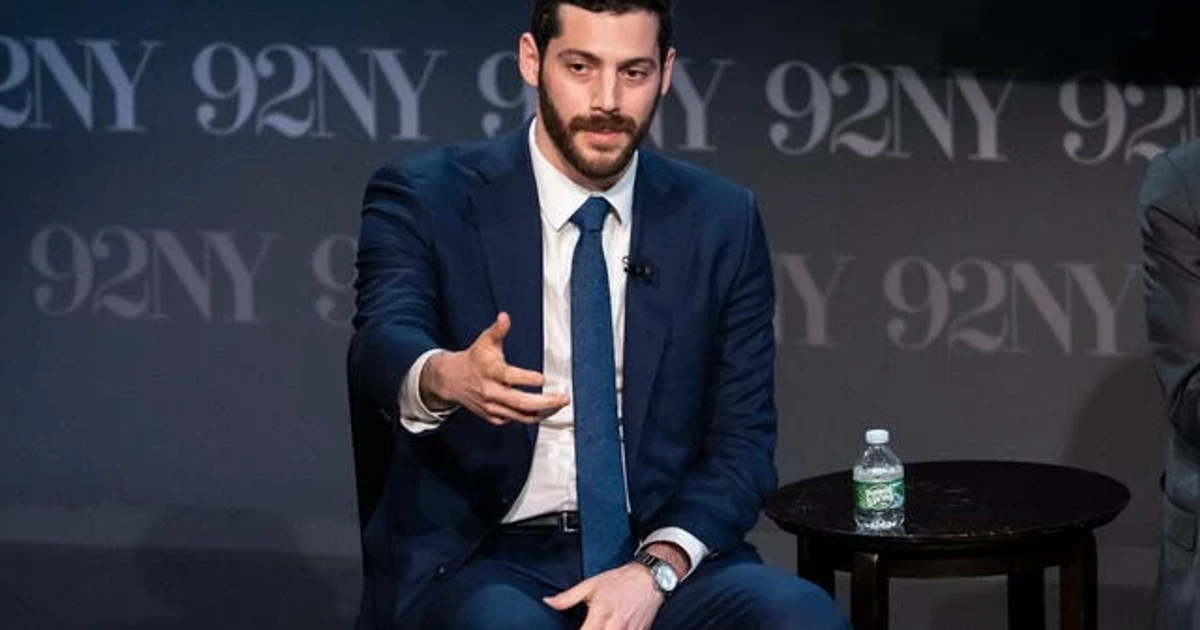
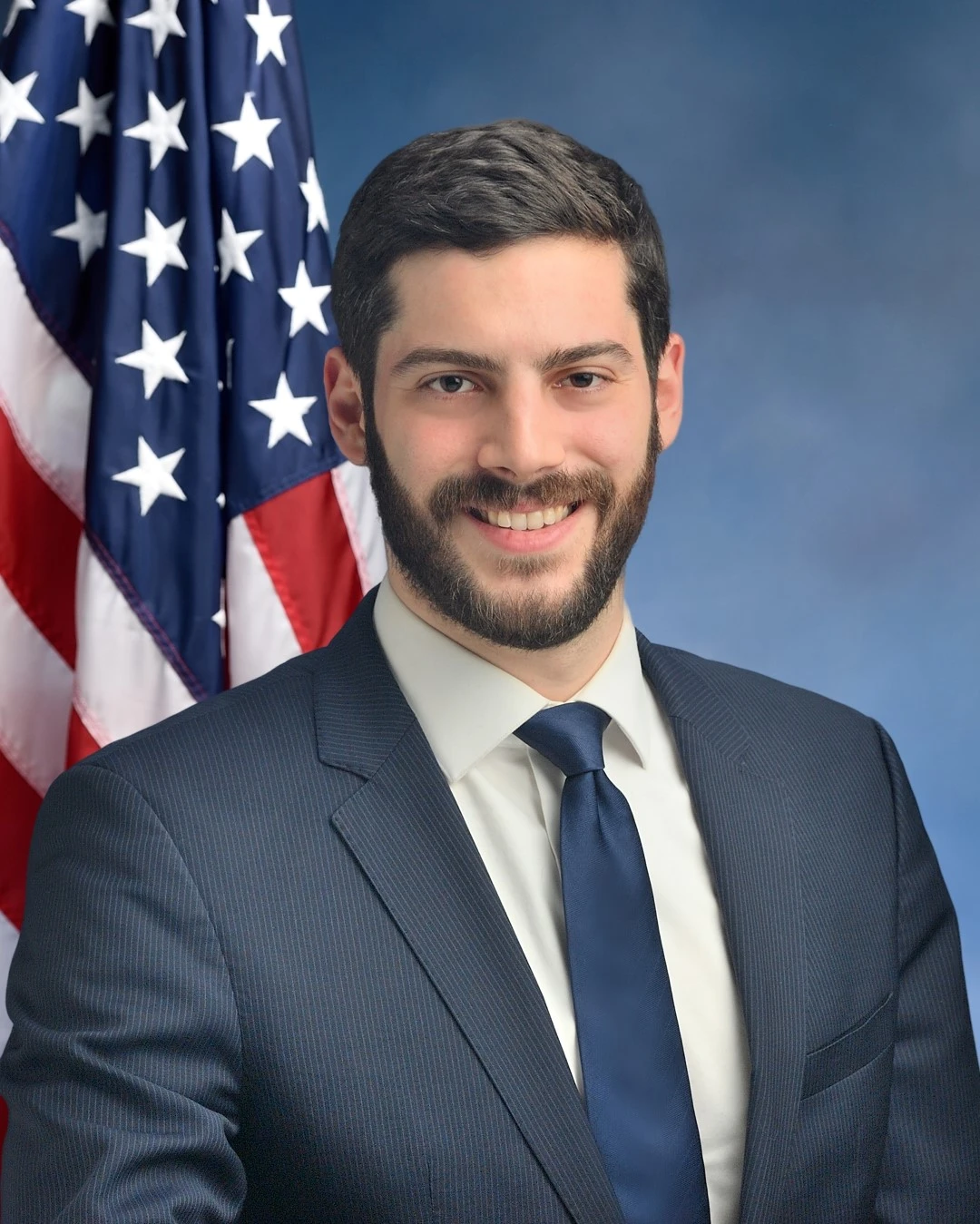
Money from rival corners of Silicon Valley has turned New York’s 12th Congressional District into a proxy war over how far artificial intelligence should be regulated. Assemblyman Alex Bores, a former computer engineer running for the Manhattan seat being vacated by Jerry Nadler after three decades in Congress, is being attacked and boosted at the same time as the June 23 Democratic primary approaches.
A political group underwritten by OpenAI investors has spent more than $7 million on ads aimed at defeating Bores, while other groups partly funded by Anthropic have spent more than $10 million backing him. Chris Larsen, a crypto billionaire and Anthropic investor, has pledged another $3.5 million, adding to a race that has become a costly test of whether AI money can help decide who writes the rules on AI.
The anti-Bores effort runs through Think Big PAC, an affiliate of Leading the Future, a pro-AI super PAC that has pledged to spend $100 million in the midterms. By late January, Think Big PAC had already spent $326,000 on one TV and digital ad and nearly $120,000 on an earlier attack ad. Bores’ campaign responded with cease-and-desist letters, saying the spots made false and defamatory claims about his work at Palantir, including allegations that he helped build or sell technology for ICE.
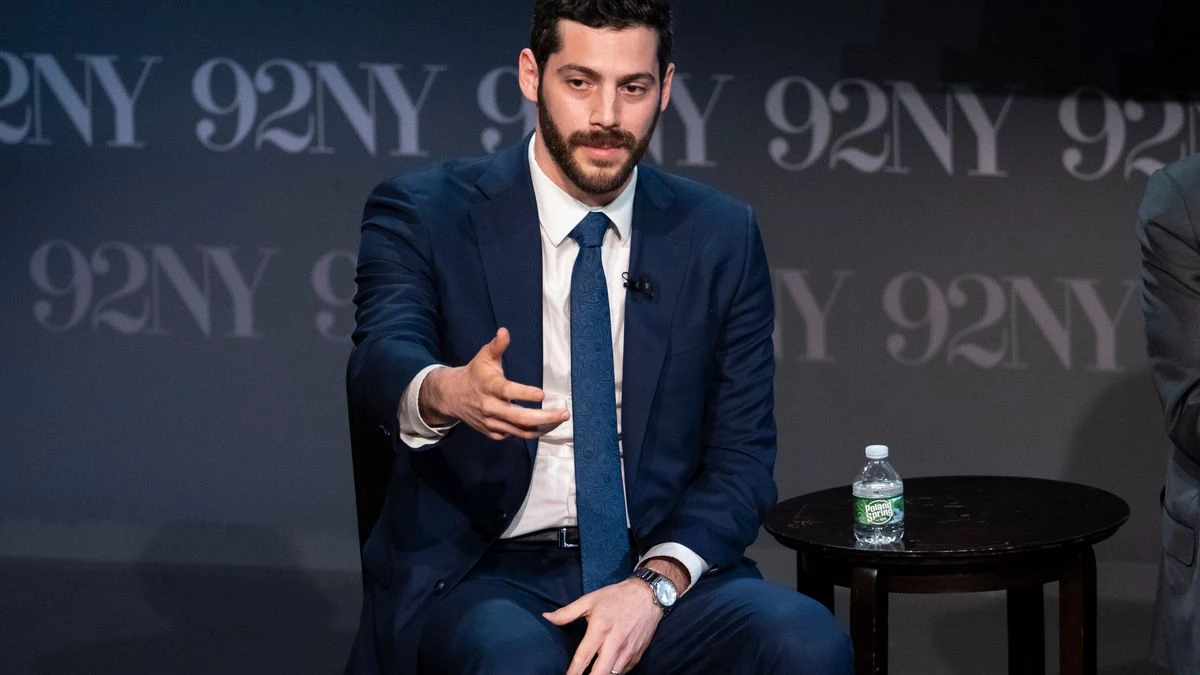
Bores’ own background has made him a symbol in the fight over whether AI companies should be constrained, embraced or trusted to police themselves. He once worked for Palantir and later left over concerns about the company’s work with immigration enforcement during Trump’s first term. He then became one of the leading advocates for New York’s RAISE Act, the frontier-AI safety law Gov. Kathy Hochul signed in December 2025.
The law created a new office within the New York State Department of Financial Services, funded by fees on developers, to enforce safety and transparency requirements for the largest AI model developers. That makes the primary more than a local contest: it is unfolding against a live policy fight already won in Albany, and it is testing whether an AI regulator can win higher office in New York City.
The race has also sharpened intraparty tensions in a crowded Democratic field that includes Micah Lasher, Jack Schlossberg and George Conway. At a June 4 debate, Lasher and Schlossberg attacked Bores over both AI and crypto backing, with Lasher saying he has consistently supported AI regulation and Schlossberg warning about regulators being “in the pocket” of the AI industry. A recent PIX11/Emerson College poll showed Lasher narrowly leading Bores.
Morten Bay, a research fellow at the Center for the Digital Future at the University of Southern California, summed up the broader stakes bluntly: “The lines are being drawn.” In New York’s 12th District, the contest has become a referendum on whether the AI industry is becoming the next great fault line in American politics.
Sources
- [1]usnews.com
- [2]apnews.com
- [3]cityandstateny.com
- [4]governor.ny.gov
- [5]nysenate.gov
- [6]nytimes.com