Technology
AI Music & Creators Conference Highlights Industry Innovation
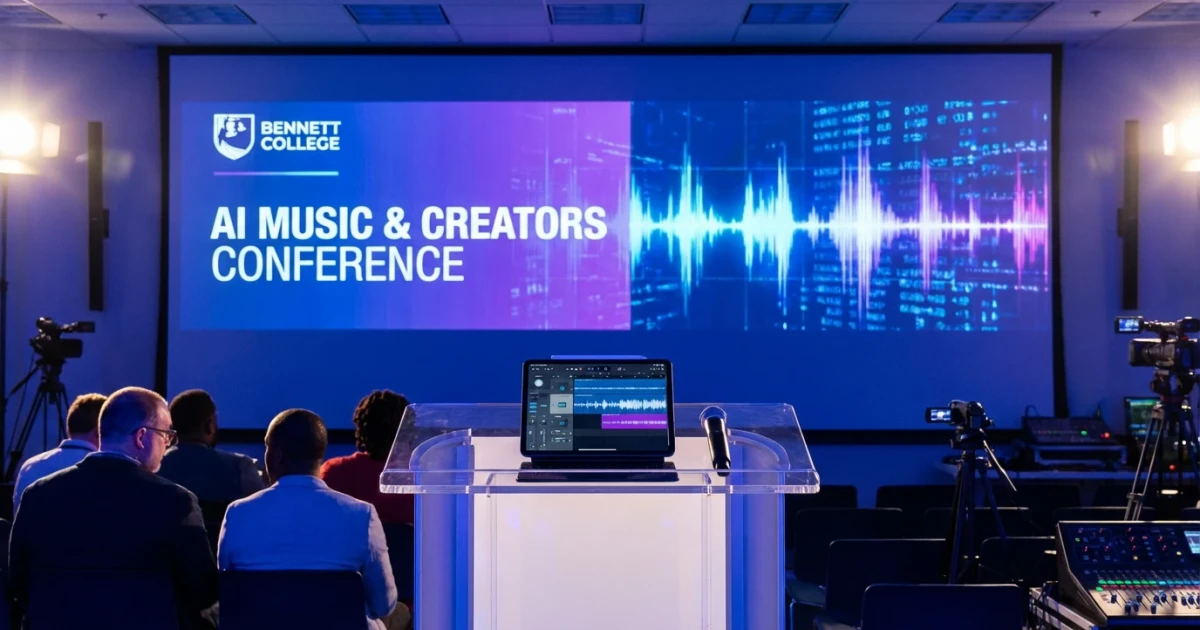
Bennett College recently hosted the AI Music & Creators Conference, drawing together artists, technologists, and industry experts to explore how artificial intelligence is transforming music creation, production, and copyright. The event reflected growing global interest in AI's potential and its challenges for musicians and rights holders.
The Rise of AI in Music Creation
Artificial intelligence has rapidly become a driving force in the music industry, powering new forms of creative expression and innovation. According to the IFPI Global Music Report 2023, the adoption of AI tools for music composition, mastering, and production has accelerated, with many artists integrating AI-based platforms into their workflow to generate melodies, harmonies, and even lyrics.
Industry analysis from the World Intellectual Property Organization (WIPO) notes that AI-generated music is no longer just a technological curiosity but a commercial reality. Major music labels and independent creators alike are experimenting with AI collaborators to push creative boundaries, raising questions about artistic authorship and originality.
Creative Opportunities and Industry Adoption
- Recent Statista data shows that a growing percentage of music professionals now use AI-assisted tools for tasks ranging from songwriting to audio engineering.
- Organizations such as the AI Song Contest are showcasing how collaborative teams leverage machine learning to compose pieces that bridge human and machine creativity.
- Explainers from the GRAMMYs highlight practical case studies where AI tools enhance musical output, facilitate experimentation, and democratize access to production resources.
Legal and Ethical Challenges
As AI-generated works become more prevalent, the conference addressed ongoing debates regarding copyright and intellectual property. The U.S. Copyright Office has released policy guidance indicating that purely AI-created music, without substantive human input, may not qualify for copyright protection. This stance reflects broader industry concerns about fair compensation and recognition for human artists amid the proliferation of algorithmically generated content.
WIPO's research underscores the complexity of assigning rights and royalties, as AI systems increasingly contribute to the songwriting and production process. Stakeholders at the conference discussed frameworks for transparent disclosure and fair attribution, seeking to balance technological innovation with artist advocacy.
Industry Perspectives and Forward Look
While opinions differ on AI's ultimate impact, there is consensus that the technology will continue to shape the music landscape. Some creators view AI as a powerful co-creator, opening new avenues for sonic exploration. Others emphasize the need for clear guidelines and ethical standards to ensure human artists remain at the heart of the industry.
By convening thought leaders and practitioners, the AI Music & Creators Conference at Bennett College provided a timely forum for dialogue and collaboration. As AI tools become further integrated into music production and distribution, ongoing education and policy development will be crucial in navigating the evolving relationship between technology and artistry.
For more on the intersection of artificial intelligence and music, readers can explore detailed industry statistics in the IFPI Global Music Report, legal frameworks from the U.S. Copyright Office, and creative case studies from the GRAMMYs.