Technology
AI-Native Graduates Enter Workforce as Employers Adapt
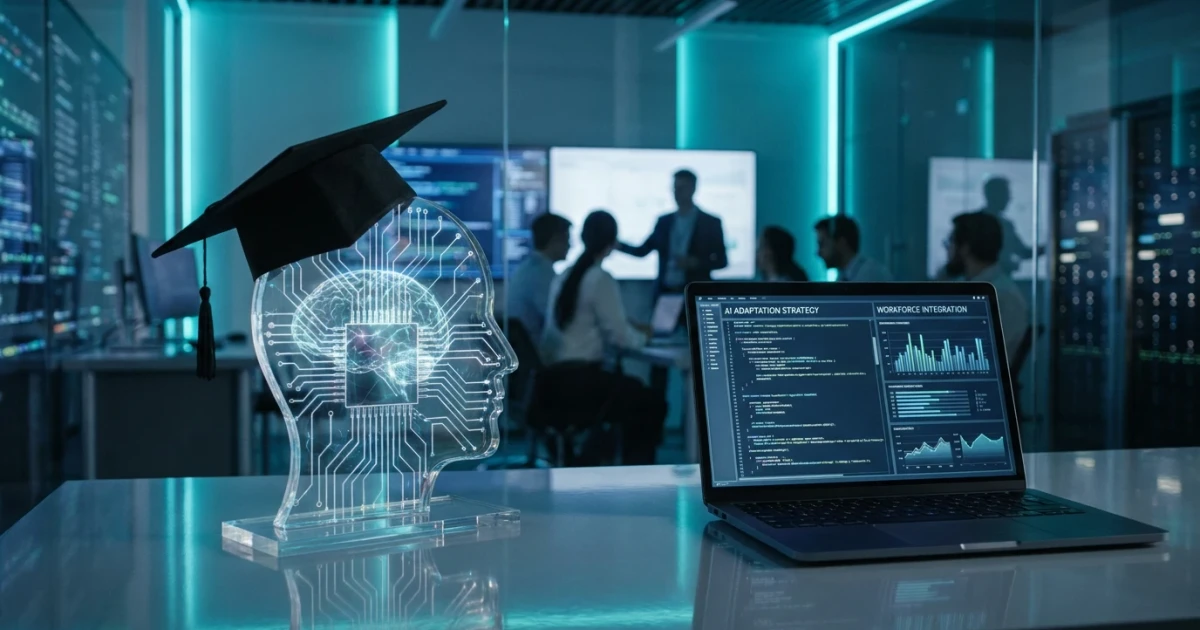
The graduating class of 2026 marks a historic shift for the American workforce—these are the first so-called "AI natives," students who have come of age with artificial intelligence woven into both their education and daily lives. As these graduates enter offices across the country, employers are preparing for new opportunities and challenges created by this uniquely tech-savvy cohort.
Who Are the 'AI Natives'?
Unlike earlier generations, the class of 2026 has grown up using AI-powered tools for studying, communicating, and problem-solving. From automated research assistants to generative writing platforms, these students have relied on artificial intelligence throughout their academic careers. According to the Digest of Education Statistics, there are now over 2 million annual U.S. bachelor’s degree recipients, the majority of whom have had exposure to AI-driven software and coursework.
Changing Expectations in the Workplace
With the arrival of AI natives, companies are rethinking their approach to onboarding, collaboration, and skill development. The Wall Street Journal reports that many employers are updating their training programs to emphasize not just traditional job skills, but also fluency in AI tools and platforms. According to a recent World Economic Forum analysis, over 75% of companies now prioritize AI literacy when evaluating new hires, and expect proficiency in prompt engineering, data analysis, and ethical use of automated systems.
- AI-native graduates are comfortable using chatbots, workflow automation, and generative design tools.
- Employers are retooling orientation modules to address both opportunities and risks of AI in the workplace.
- Some companies are piloting mentorship programs pairing AI natives with veteran employees for cross-generational learning.
How Colleges Prepared the Class of 2026
Colleges and universities have played a pivotal role in shaping the AI competencies of this graduating class. An EdSurge database of over 100 examples highlights how institutions nationwide have integrated AI into coursework, from business analytics to creative writing. Many students have completed capstone projects using machine learning, while others have collaborated with AI tutors and participated in ethical debates about automation's impact on society.
Workforce Impact and Economic Outlook
The influx of AI-native workers is expected to drive further adoption of automation and digital tools in the workplace. The U.S. Bureau of Labor Statistics projects strong growth for computer and information technology occupations, with median annual wages in these fields more than double the national average. As companies seek employees who can harness AI for productivity, new graduates may find expanded opportunities in sectors ranging from marketing and finance to healthcare and logistics.
Adapting to a New Generation of Talent
While organizations are eager to leverage the skills of AI-native hires, they are also mindful of potential challenges. Integration of AI into daily work raises questions around data privacy, algorithmic bias, and the need for continual learning as technology evolves. Employers are collaborating with higher education and training providers to ensure ongoing upskilling and ethical best practices.
Ultimately, the arrival of AI-native graduates signals a generational shift that will shape the future of work. As offices adapt to new technologies and ways of working, both employers and employees will need to remain agile and committed to lifelong learning in an AI-driven world.