Health
AI Paves the Way for Next-Generation Vaccines
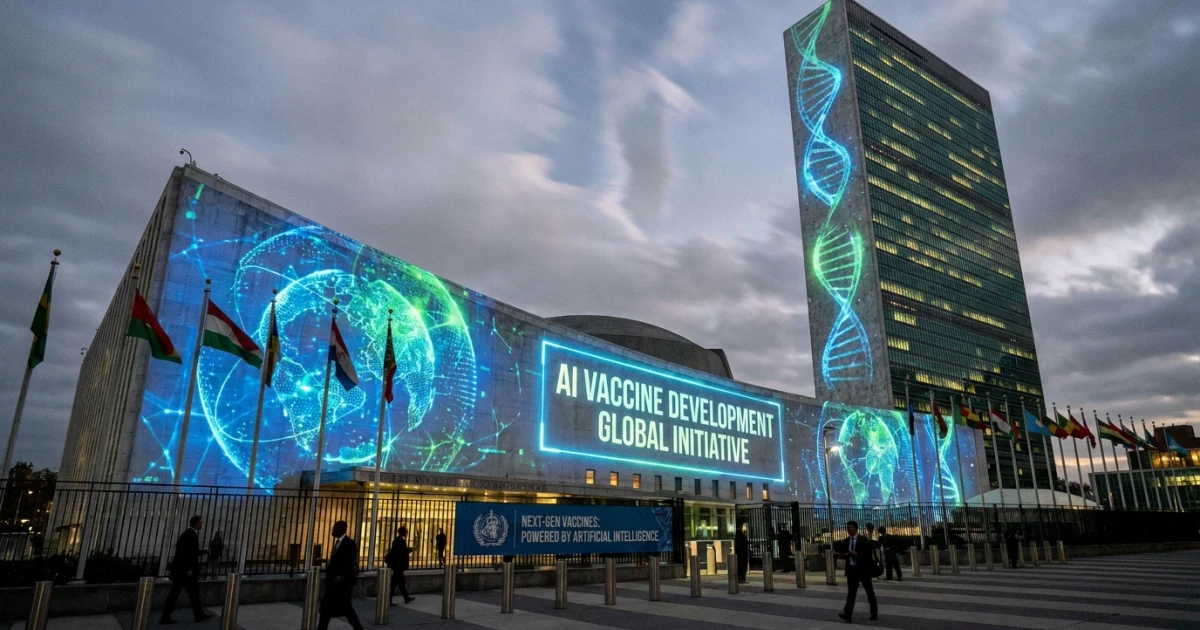
Artificial intelligence (AI) is rapidly transforming vaccine development, with researchers successfully designing and testing new vaccines using advanced algorithms. Recent breakthroughs suggest that AI-powered vaccines could be more effective and adaptable than ever before, opening new possibilities for combating emerging infectious diseases.
How AI Is Changing Vaccine Design
Traditional vaccine development relies on extensive laboratory work, often taking years to identify suitable antigens and optimize formulations. Now, scientists are leveraging AI-based platforms to analyze vast datasets of viral genomes, protein structures, and immune responses. These systems can rapidly predict which components of a virus are most likely to elicit strong, protective immunity.
- AI models can scan millions of viral sequences to identify conserved regions, helping design vaccines that work against multiple variants.
- Machine learning algorithms optimize vaccine candidates by simulating how different molecular structures interact with the human immune system.
- This streamlines the preclinical phase, allowing researchers to move promising candidates to animal and human trials faster.
Proof of Concept: AI-Designed Vaccines in Action
Gizmodo reported that researchers have already developed a 'world-first' vaccine using AI tools, pushing the boundaries of what's possible in immunology. Early-stage clinical trials and animal studies demonstrate that these AI-designed vaccines can generate strong immune responses, sometimes outperforming traditional approaches.
One notable example is the creation of an AI 'super-antigen' vaccine, engineered to target highly mutable viruses. By combining insights from recent immunology studies and AI-driven protein design, scientists tailored the vaccine to provoke broad T-cell and antibody responses.
According to peer-reviewed research, AI-designed protein nanoparticle vaccines have shown strong protection against SARS-CoV-2 in mouse models. The technology allows researchers to quickly adapt vaccines to new viral strains, potentially closing the gap between outbreak detection and vaccine rollout.
Advantages and Challenges
- Speed: AI reduces the vaccine design timeline from years to months or even weeks.
- Precision: Algorithms can identify optimal antigen targets, reducing the risk of side effects or poor efficacy.
- Scalability: The technology is adaptable to a range of pathogens, from influenza to future pandemic threats.
However, experts caution that AI is not a silver bullet. Data quality remains a concern, as biased or incomplete datasets can lead to inaccurate predictions. Regulatory bodies like the CDC emphasize the importance of rigorous testing and transparent evaluation methods, including the use of registered clinical trials to assess efficacy and safety.
Global Implications
AI-driven vaccine development is particularly promising for rapidly evolving viruses and pathogens with complex mutation patterns. This approach could help address longstanding challenges in diseases like influenza, HIV, and emerging coronaviruses. The World Health Organization has highlighted AI's potential to improve vaccine equity, especially in low-resource settings where time and cost barriers have historically delayed access to lifesaving shots.
Looking Forward
As more AI-designed vaccines progress through clinical trials, researchers remain optimistic about their role in future pandemic preparedness and routine immunization. Ongoing collaboration between data scientists, immunologists, and regulatory agencies will be critical to ensuring that these innovations deliver on their promise—making vaccines safer, faster, and more widely available worldwide.