Science
AI Powers Effort to Reduce Genetic Code to 19 Amino Acids
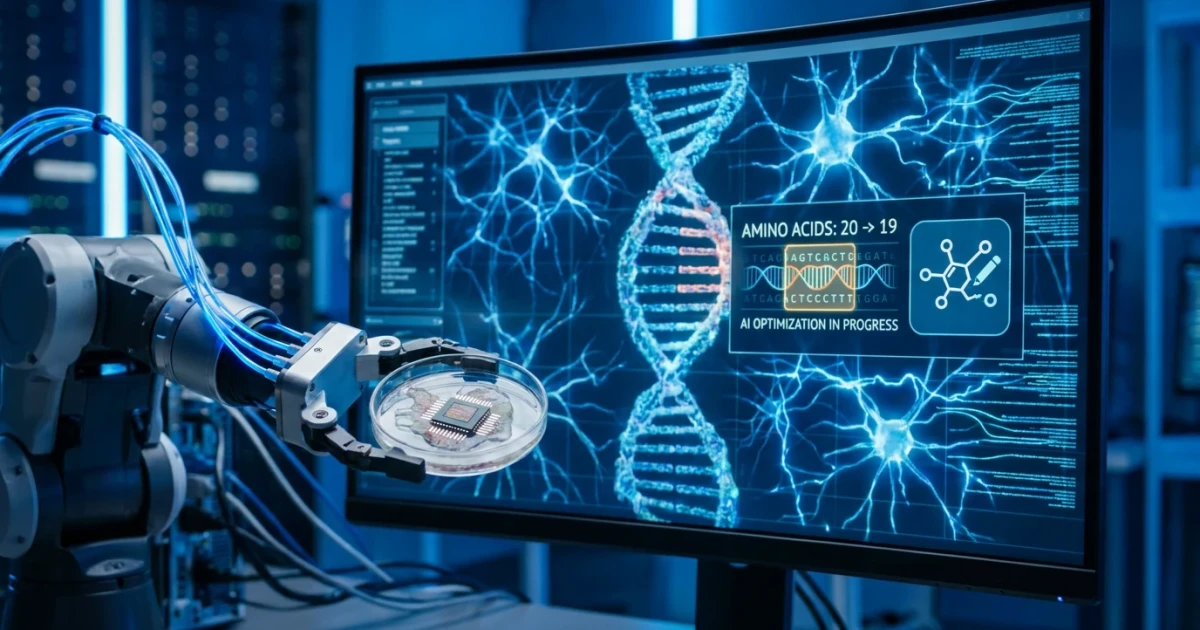
Scientists have embarked on an ambitious project to rewrite the fundamental alphabet of life, using artificial intelligence to attempt a reduction of the genetic code from 20 to 19 amino acids. This endeavor, first reported by Ars Technica, signals a bold step in genetic engineering and has the potential to influence future developments in synthetic biology and biotechnology.
The Genetic Code and Its Significance
The genetic code is the set of rules by which DNA sequences are translated into proteins, the essential molecules that sustain life. Traditionally, this code relies on 20 standard amino acids to construct all known proteins, a number that has remained unchanged for billions of years across most organisms. Each amino acid is encoded by specific DNA triplets called codons, and their precise selection determines protein structure and function.
AI-Driven Approach to Genetic Code Engineering
According to Ars Technica, researchers have employed advanced AI models to redesign segments of the genetic code. By simulating thousands of potential protein sequences and their associated functions, the AI helps predict which amino acids could be eliminated without compromising essential biological processes. This computational approach accelerates what was previously a painstaking process of trial-and-error in laboratory settings.
- AI models analyze protein folding, stability, and function after amino acid removal
- Simulations explore how organisms could adapt to a reduced amino acid repertoire
- Potential applications include creating organisms with simplified biochemistry for industrial use
Challenges in Reducing the Amino Acid Count
While the concept is scientifically intriguing, the removal of even one amino acid from the genetic code presents significant hurdles. The amino acid composition across known proteins is highly variable, and each plays a unique role in maintaining protein structure, enzymatic activity, and cellular health. Previous attempts to reduce or alter the genetic code have encountered issues such as impaired protein folding, reduced organism viability, and unforeseen metabolic consequences.
Ars Technica notes that the latest AI-driven strategy aims to overcome these obstacles by identifying the least disruptive amino acid to eliminate. However, experimental validation is still required to confirm predictions and assess real-world impacts on living cells.
Potential Impact and Future Directions
If successful, the project could pave the way for:
- Customized organisms optimized for industrial or pharmaceutical production
- Enhanced genetic safety by creating organisms that cannot survive outside specialized environments
- Insights into the origins and evolution of the amino acid repertoire
- Novel protein engineering strategies for synthetic biology
The ability to engineer life at this fundamental level also raises ethical and biosafety questions. Scientists are proceeding with caution, mindful of the complexities involved in altering such a central aspect of biology.
Conclusion
This AI-powered effort to reduce the genetic code from 20 to 19 amino acids represents a significant milestone in genetic engineering. While the path forward is fraught with technical and ethical challenges, the project’s outcomes could reshape the landscape of synthetic biology and deepen our understanding of life’s molecular foundations. As research continues, the scientific community will watch closely for breakthroughs and potential applications in medicine, industry, and beyond.