Technology
AI recruitment apps help Brazil’s hidden soccer talent get noticed

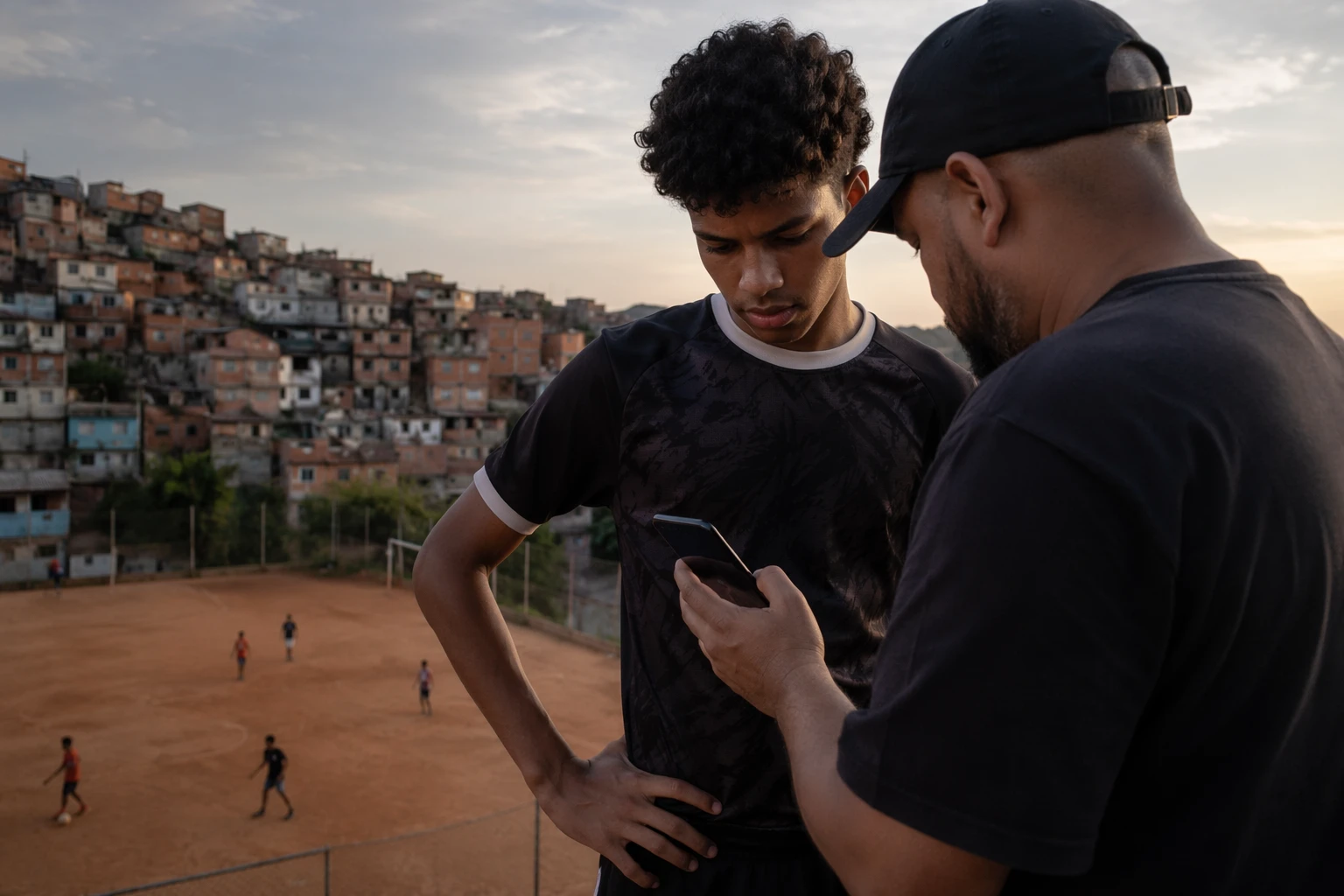
A teenager in Santa Catarina can now reach a European scout with a phone camera, a highlight clip, and a profile inside an app. That is the promise drawing attention in Brazil, where the old scouting map has long favored major urban centers and established academies, even as the country remains the world’s largest exporter of football talent.
The new route into the game
AI recruitment apps such as Footbao and CUJU are trying to make that map less rigid. If talented players are missed because they are not training at a famous academy or living near a top club, video, rankings, and performance data can give them another path in. That logic fits Brazil especially well, where gifted children and teenagers often sit outside the usual network of scouts.
The most compelling case is 18-year-old Leonardo Veiga. After struggling at a small club in Santa Catarina, he uploaded videos of his skills through Footbao, earned a trial with Lecce, and is now under contract with Spezia’s youth academy in Italy’s second division.
What the apps actually do
Footbao’s chief executive, Nick Rappolt, says about 120,000 players have used the app, most of them in Brazil. He estimates there may be between 14,000 and 15,000 players with the potential to join clubs or academies. CUJU, another company in the field, says its app has been downloaded around 160,000 times since launch, and its marketing director, Sven Muller, says the aim is to turn simple phone videos into reliable performance data.
These tools do not just collect clips; they sort, compare, and rank young players, then surface them to clubs that might otherwise never see them. Santos, the club associated with Pelé and Neymar, is among the teams using regional rankings from the app to identify prospects.
FIFA has turned identification into policy
The app boom sits inside a larger shift at FIFA. FIFA says its talent-development pathways are meant to increase competitiveness and reduce disparity across its 211 member associations. In December 2022, FIFA approved $200 million for the FIFA Talent Development Scheme, and it aims to have 75 FIFA Academies in place by the end of the 2023-2027 cycle.
FIFA’s guidance says talented players should be identified regardless of where they are from, when they were born, or their social and economic background. Technology and databases can help make scouting more objective, and FIFA says 65% of its top 20 member associations already have a computer system or database for talent detection.
Why the promise is tempting, and why it is not settled
The attraction of AI scouting is obvious in a country as large and unequal as Brazil. A player in Santa Catarina, or in a neighborhood far from São Paulo’s academy networks, can now film training on a basic phone and present himself to a wider market than a local scout’s notebook could ever capture. For clubs, the value is speed and scale. For players, it is visibility without needing a privileged address or a famous shirt.
But the same system can reproduce the limits it claims to erase. If clubs rely on regional rankings, then the players most likely to surface are still the ones with the best phones, the steadiest internet, the cleanest clips, and the time to keep uploading. If a database is built from what is easiest to capture, it can still miss the improvisation, endurance, and resilience that scouts have traditionally claimed to see in person.
Who gains when scouting goes digital
The strongest argument for these apps is that they push clubs beyond the same neighborhoods and academies that have dominated Brazilian scouting for decades. FIFA’s broader development language includes a goal that high-quality home-grown players remain the cornerstone of strong national teams and competitive domestic leagues.
Footbao’s chief executive, Nick Rappolt, says 120,000 players have used the app, most of them in Brazil, and CUJU says its app has been downloaded around 160,000 times since launch. Those figures make these platforms large repositories of youth data and video, and the companies controlling those systems sit between the player and the club.
Sources
- [1]nytimes.com
- [2]france24.com
- [3]inside.fifa.com
- [4]publications.fifa.com