Politics
AI reshapes U.S. campaigns with hyper-targeting and deepfake fears
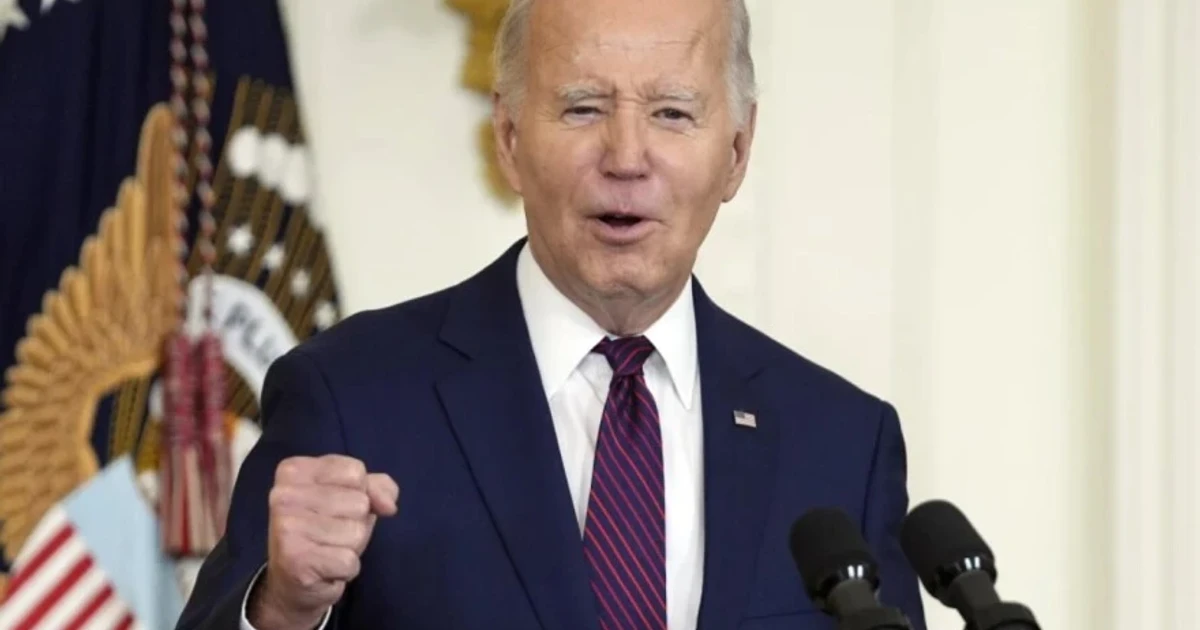
On January 21, 2024, New Hampshire voters received robocalls that appeared to use an AI-generated clone of President Joe Biden’s voice and urged Democrats not to vote in the January 23 primary, one visible sign of a much deeper campaign overhaul. In the 2024 U.S. election cycle, political consultants and ad firms were already using AI to write text, build images and video, generate speech, and draft fundraising emails and text messages, while the quieter work of collecting voter data and sharpening targeting models moved even faster.
The public face, and the hidden machinery
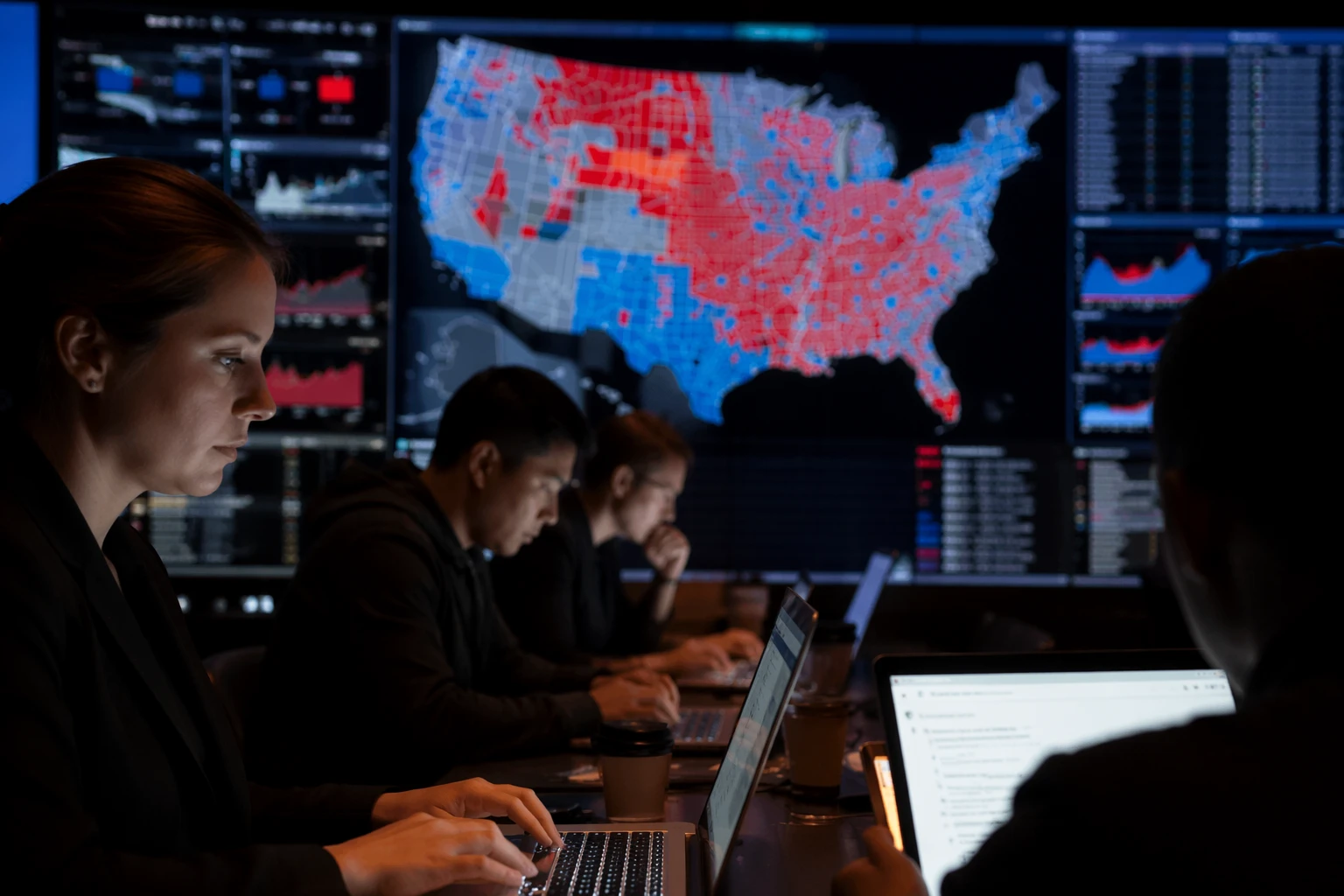
The most obvious uses are the ones voters can see: synthetic images, campaign graphics, and slick digital content designed to flood feeds and inboxes. The less visible layer matters more for how campaigns actually operate. Campaign consultants, vendors and strategists use AI to collect large amounts of voter data, speed data analysis for hyper-targeting, and conduct AI-to-voter conversations at scale.
Voters may recoil at the idea of AI in politics, but campaign organizations are finding it useful precisely because it can do work that once took large staffs, long hours and expensive agencies. Campaigns are already using these tools to create messages for ads and fundraising solicitations.
Hyper-targeting is the real prize
The biggest operational change is not a fake picture or a flashy video. It is the ability to turn voter files, consumer data and digital feedback into faster, more tailored appeals. AI helps campaigns sort audiences, test messages and adjust language at a speed that makes old-style blanket mailers look blunt.
That is why the technology has taken hold so quickly among consultants and vendors. Once a campaign can produce multiple versions of a message, match them to different voter blocs and automate responses, it can spend less time guessing what works and more time amplifying what data suggest will move turnout or donations.
The deepfake warning came early in New Hampshire
The risk that AI would be used for mischief arrived in plain sight during the New Hampshire primary season. The New Hampshire Attorney General’s Office identified the source of the calls in 2024, turning the episode into one of the first major election deepfake scandals in the United States.
Federal regulators moved quickly after that. The Federal Communications Commission issued a cease-and-desist letter on February 6, 2024, then proposed a $6 million fine on May 23, 2024. On September 26, 2024, the FCC adopted that $6 million penalty against political consultant Steve Kramer for illegal robocalls that used deepfake, AI-generated voice cloning technology and caller ID spoofing.
Lawmakers are racing the technology
States have not been idle, but they are moving unevenly. More than half the states have enacted laws regulating AI’s use in campaigns, according to the National Conference of State Legislatures, whose statutory table tracks laws that explicitly govern AI in elections. Even so, the patchwork leaves campaigns operating across a fragmented set of rules, with some states tightening disclosure and others still relying on older election-law frameworks that were never built for synthetic media.
At the federal level, AI-generated voices in robocalls are illegal under FCC rules. Text generation, image creation, voter modeling and automated message testing can all shape elections without always triggering the kinds of disclosures voters would recognize as meaningful.
The transparency gap is now the central problem
The gap is not that campaigns are using AI in secret. It is that deployment has outrun disclosure. Voters can sometimes spot a synthetic image or a strange robocall, but they are far less likely to know when an apparently ordinary ad, fundraising appeal or turnout message has been shaped by automated modeling or generated language.
That disclosure lag weakens accountability in three places. First, voters cannot easily tell when a message was machine-assisted. Second, regulators struggle to police systems that can change by the day. Third, campaigns can benefit from the speed and scale of AI without always having to explain how it altered targeting or message design.
Why the academic warning matters
Kate Dommett and her colleagues at the University of Sheffield argue that political parties’ use of personal data is not automatically a threat to democracy. They argue that when spending limits change, digital-campaign budgets can expand sharply, making data-driven campaigning more significant and more consequential.
Personal data, analytics and technology have long been part of modern elections. What is new is the scale, the speed and the ability to automate voter contact.
Sources
- [1]nytimes.com
- [2]brennancenter.org
- [3]mediaengagement.org
- [4]doj.nh.gov
- [5]docs.fcc.gov
- [6]ncsl.org
- [7]sheffield.ac.uk