Technology
AI Revolution Accelerates: Universities, Businesses, and Regions Embrace Artificial Intelligence
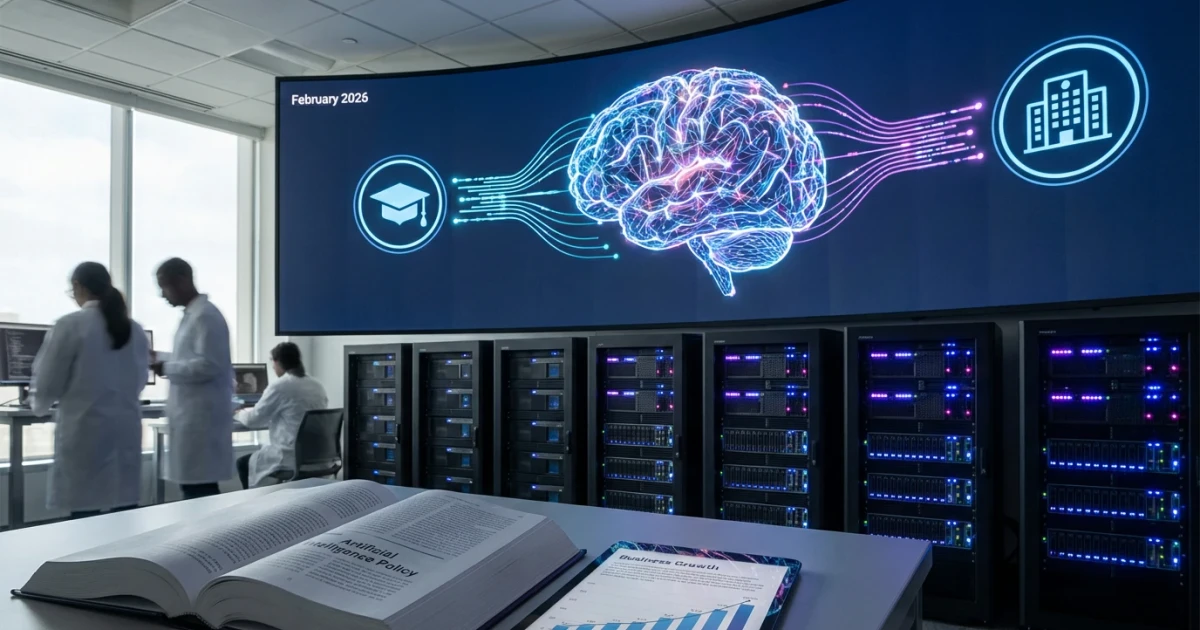
Artificial intelligence (AI) continues to reshape industries, higher education, and regional economies across the United States, as recent developments underscore the technology's surging influence. From the classroom to the boardroom, AI's rapid integration is sparking both opportunities and challenges for the workforce and society at large.
The Growing Role of AI in Higher Education
This week, the University of Wisconsin-Whitewater announced the launch of a dedicated artificial intelligence major. This move reflects a nationwide trend as universities seek to prepare students for a future where AI skills are increasingly in demand. By offering specialized programs, institutions aim to equip graduates with the technical expertise and ethical understanding necessary to thrive in AI-driven workplaces.
- AI-related degrees have become a priority for universities responding to industry needs.
- The curriculum is expected to blend computer science, data analytics, and real-world applications.
- Such initiatives help bridge the talent gap as firms seek qualified AI professionals.
Business Adoption: AI Transforming Regional Economies
According to a recent report from the Federal Reserve Bank of Richmond, a growing number of firms are implementing AI solutions to boost productivity and innovation. The report highlights regional trends in AI adoption, with companies leveraging machine learning for everything from customer service automation to enhanced data analysis.
- Businesses cite efficiency, cost-savings, and competitive advantage as primary drivers for AI adoption.
- Some firms face challenges related to integration, upskilling staff, and addressing ethical concerns.
- Regional disparities persist, with urban centers typically outpacing rural areas in AI utilization.
Implications for the Workforce
The rise of AI in the workplace is reshaping job requirements and career paths. As highlighted in the Richmond Fed's update, firms are increasingly seeking employees with AI literacy, while universities like UW-Whitewater are responding by updating curricula. Workforce development is now a key focus for both business and education leaders as they navigate the AI transition.
National and Global Context
Broader coverage from outlets such as The Guardian emphasizes the multifaceted nature of AI's impact. From ethical debates to regulatory considerations, the technology is at the center of public and policy discussion. These conversations are shaping how AI will be governed and how its benefits and risks are managed globally.
Looking Ahead: Collaboration and Innovation
The synergy between higher education, business, and regional development underscores the transformative potential of AI. As more universities follow UW-Whitewater's lead and more firms embrace intelligent automation, ongoing collaboration will be crucial. Addressing workforce concerns, ensuring equitable access, and fostering responsible innovation remain top priorities as the AI era advances.
For readers interested in exploring this topic further, visit the UW-Whitewater official website for program details, the Federal Reserve Bank of Richmond for regional economic updates, and The Guardian's AI section for international context.