Technology
AI Supercycle Endures Amid Iran Conflict, But Supply Chains Shift
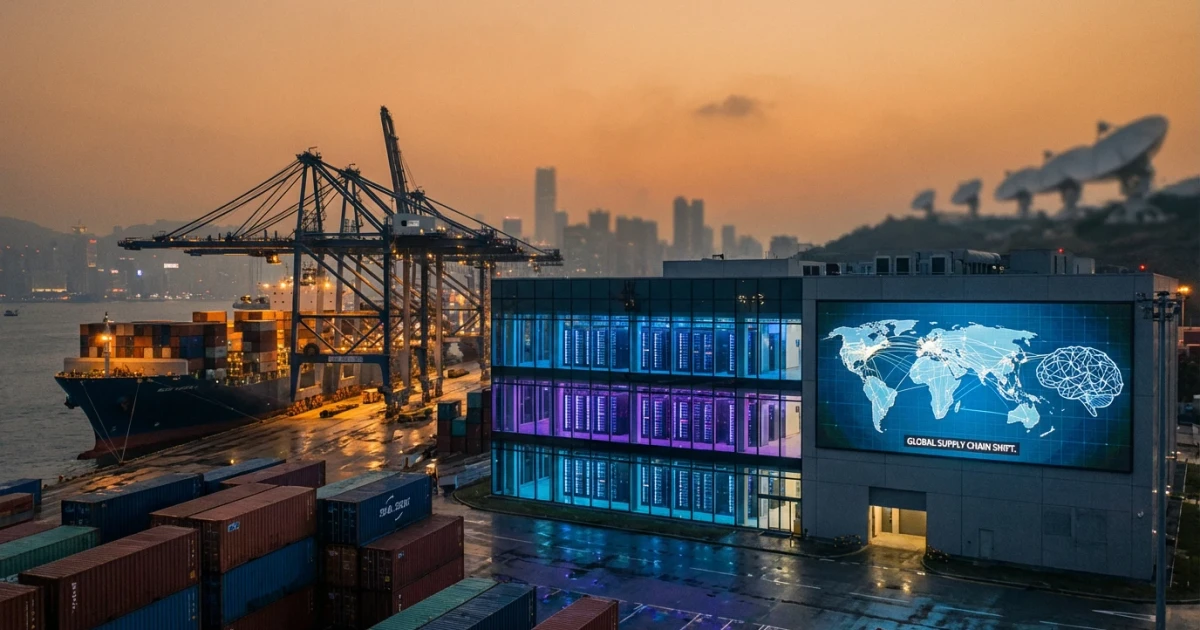
The artificial intelligence (AI) industry continues to chart explosive growth, even as geopolitical tensions such as the Iran war test the resilience of global technology supply chains. According to recent analysis from Yahoo Finance, while the ongoing conflict has rattled markets and placed new pressures on semiconductor and electronics manufacturing, the underlying demand for AI hardware and services remains robust. However, experts warn that the supply chain feeding the AI boom has changed in enduring ways.
AI Growth Remains Strong Despite Geopolitical Turbulence
Analysts widely agree that the so-called AI supercycle—a surge in investment and innovation around artificial intelligence—will survive the disruptions caused by the Iran conflict. Yahoo Finance notes that the appetite for AI-powered applications, from enterprise solutions to consumer services, continues to drive record demand for advanced chips, data center hardware, and software platforms. This is reinforced by data showing technology giants such as Apple Inc. and semiconductor leaders like NVIDIA reporting strong financials, underpinned by AI-related sales.
- AI hardware demand remains high even as regional conflicts raise costs and introduce supply chain uncertainties.
- Major technology firms continue to invest in AI research, data centers, and custom chip development to maintain competitive advantage.
- Despite short-term disruptions, long-term forecasts project artificial intelligence adoption will accelerate across industries.
Supply Chains Face Lasting Changes
While demand for AI technologies has not waned, the Yahoo Finance report emphasizes that the war has forced a dramatic realignment of the electronics and semiconductor supply chain. The conflict has exposed vulnerabilities in sourcing rare minerals, components, and advanced manufacturing capacity, particularly for semiconductors and other critical electronic components.
- Shipping routes through the Middle East and adjacent regions have become more expensive and unpredictable, leading to increased logistics costs for technology companies.
- Producers are diversifying supplier networks and seeking alternative manufacturing hubs in Southeast Asia, Eastern Europe, and North America.
- Pricing pressures are evident, with the Producer Price Index for semiconductor and electronic component manufacturing reflecting volatility since the conflict began.
The Semiconductor Industry Association’s latest research further supports the view that geopolitical risk is now a permanent factor in supply chain planning. Manufacturers are investing in redundant capacity and strategic reserves of key materials to mitigate future shocks.
Broader Economic Impacts
The shifting supply chain landscape is already having ripple effects across the broader economy. Federal Reserve Economic Data shows that electronics and semiconductor manufacturing are significant contributors to U.S. GDP by industry. Ongoing price increases and supply bottlenecks could impact everything from consumer electronics pricing to the pace of AI innovation.
Looking Ahead
In the wake of the Iran war, technology leaders face a new reality: the AI supercycle is resilient, but the ecosystem that supports it is fundamentally altered. Companies must now balance intense market demand with the need for supply chain agility and risk management. As the industry adapts to these challenges, both investors and end-users can expect continued innovation, albeit with greater focus on supply chain transparency and regional diversification.
For more insight into the evolving landscape of artificial intelligence and supply chain management, readers can explore:
- Apple Inc. SEC Filings
- NVIDIA Financials
- Federal Reserve Semiconductor Price Data
- State of the U.S. Semiconductor Industry (SIA)
- Artificial Intelligence Explained (Gartner)
The AI industry’s next chapter will be defined not just by technological breakthroughs, but by the resilience and adaptability of its global supply chain.