Lifestyle
AI Systems Take on Key Roles in Restaurant Kitchens
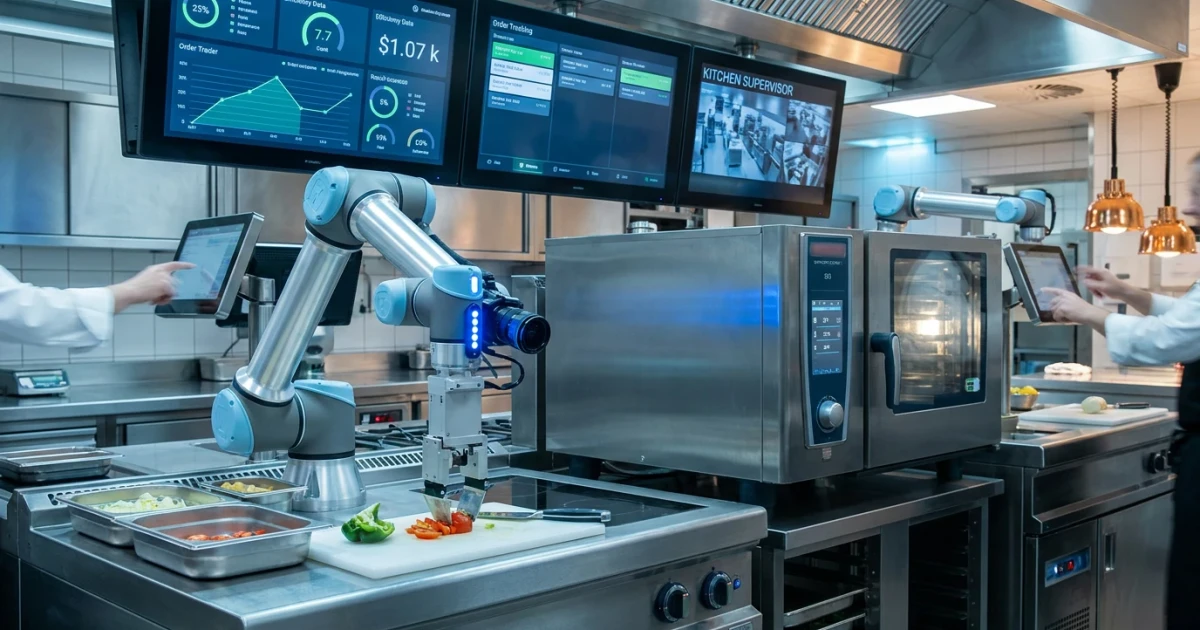
Artificial intelligence is changing the face of restaurant work, as new AI-powered systems become an integral part of kitchens across the U.S. These digital coworkers are not only helping staff remember recipes but also monitoring performance and communicating with management about operational details.
The Rise of AI in Restaurant Operations
Industry reports highlight that restaurant operators are increasingly turning to AI-driven tools to improve efficiency, accuracy, and consistency. According to Business Insider, the latest AI kitchen assistants are sophisticated enough to memorize every recipe in a restaurant’s menu, ensuring that food is prepared according to brand standards every time. This capability reduces the risk of costly human error and inconsistent customer experiences.
- AI systems can provide step-by-step guidance to cooks, minimizing training time for new employees.
- They automatically track inventory, alerting staff when ingredients are low or substitutions are needed.
- AI monitors order accuracy and kitchen timing, helping reduce food waste and speed up service.
Data from the Bureau of Labor Statistics confirms that the food service sector is one of the largest employers in the U.S. economy, making technological innovations in this industry especially impactful. As restaurants look to recover from labor shortages and rising costs, automation offers both a solution and a challenge for workers and management alike.
AI as a Digital Supervisor
One of the most significant—and controversial—aspects of these AI systems is their ability to monitor worker behavior and report findings to management. Business Insider notes that AI coworkers can track adherence to recipes, hygiene protocols, and even employee punctuality. If a staff member repeatedly deviates from procedures or forgets key steps, the system can automatically log these incidents and send notifications to supervisors.
While some workers appreciate real-time feedback and the chance to improve, others worry about increased surveillance and the potential for disciplinary action based on AI logs. Restaurant owners argue that these systems help ensure safety and quality, critical factors for maintaining a positive reputation and avoiding regulatory penalties.
Balancing Benefits and Concerns
The National Restaurant Association’s State of the Restaurant Industry Report suggests that automation is likely to expand further, with AI playing a growing role in scheduling, supply chain management, and customer service. However, the adoption of AI raises important questions about worker privacy, job satisfaction, and the future of human labor in the sector.
For restaurant chains, the promise of reduced errors, faster training, and improved consistency is compelling—especially as they compete to attract customers and retain staff. For employees, the reality is more complex: AI can be a helpful assistant, but also a digital manager that never blinks.
What’s Next for Restaurant AI?
As AI continues to evolve, industry analysts expect even more advanced features, such as predictive ordering and personalized customer experiences. The number of employees in food services may shift as roles change, with humans focusing on hospitality and creative tasks while leaving routine monitoring and compliance to AI.
Ultimately, the integration of AI into restaurant kitchens is likely to accelerate, driven by competitive pressures and the ongoing search for operational excellence. For both workers and managers, adapting to these digital coworkers will be essential for success in the years ahead.