AI Technology Gains Ground on Wisconsin Farms
Artificial intelligence is transforming agriculture in Wisconsin, helping farmers boost efficiency and sustainability as adoption steadily grows.

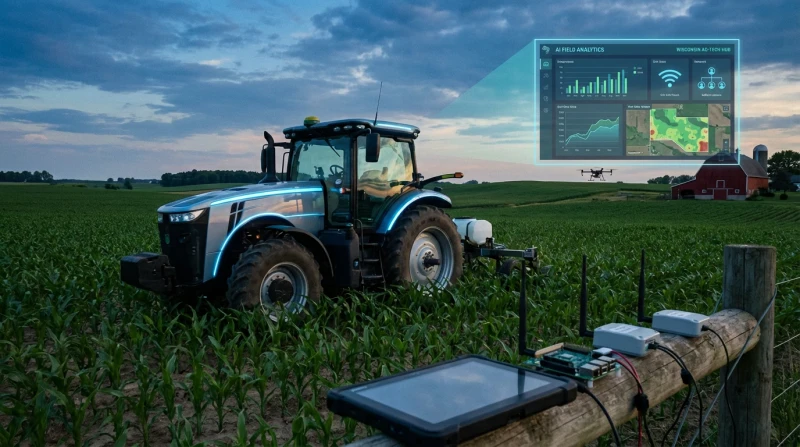
Artificial intelligence is increasingly making its mark on Wisconsin’s agricultural landscape, with a growing number of farmers turning to advanced technologies to streamline daily operations, improve yields, and address ongoing challenges in the industry. As reported by Spectrum News, AI-powered tools are beginning to take root on select Wisconsin farms, signaling a shift toward more data-driven decision-making in the Badger State’s agricultural sector.
Adoption and Applications of AI in Wisconsin Agriculture
While Wisconsin’s farming community is known for its tradition and resilience, recent years have seen a steady rise in the integration of precision agriculture and artificial intelligence solutions. These technologies help automate routine tasks, monitor crop health, and optimize resource use, promising both economic and environmental benefits.
- AI systems are being used to monitor soil conditions and predict optimal planting times, leveraging sensor data and weather forecasts to guide farm management decisions.
- Some Wisconsin dairy farms have incorporated AI-powered milking robots, which not only automate milking but also track individual cow health and productivity in real time.
- AI-driven imaging tools are assisting growers in identifying plant diseases early, enabling targeted treatment and reducing pesticide use.
According to recent Wisconsin agricultural statistics from USDA, technology adoption in the state is on the rise, with more farmers experimenting with data analytics and machine learning tools each year.
Drivers of AI Adoption
Several factors are contributing to the spread of AI on Wisconsin farms:
- Labor shortages: As rural labor pools shrink, automation offers relief by handling repetitive or physically demanding tasks.
- Cost pressures: With input prices fluctuating, AI tools help farmers fine-tune fertilizer, water, and pesticide use, saving money while maintaining yields.
- Sustainability goals: AI technologies support more precise resource management, aligning with state initiatives to reduce environmental impact and promote conservation.
Farmers interviewed by Spectrum News noted the value of real-time data in making quick management decisions, especially as weather patterns grow more unpredictable.
Challenges and Considerations
Despite the promise of AI, adoption is not without hurdles. Initial investment costs and technology learning curves remain barriers for many small and midsize farms. Some producers express concerns about data privacy and the reliability of AI recommendations under unique local conditions. University of Wisconsin Extension’s precision agriculture resources emphasize the importance of farmer education and ongoing support to maximize the benefits of these tools.
Looking Ahead
With continued advancements in agricultural software and hardware, industry analysts expect AI adoption to accelerate in Wisconsin. State and federal programs—such as grants for technology upgrades and research into AI in agriculture—are helping lower barriers for producers interested in innovation.
As AI plants deeper roots in Wisconsin fields, farmers and researchers will be watching closely to measure its true impact on productivity, sustainability, and the rural workforce.

Darren Ryding
Award-winning sports journalist with two decades of experience in football coverage. Known for sharp match analysis and an encyclopedic knowledge of league history that brings context to every story.