Science
AI unravels first complete Herculaneum scroll, revealing ancient text
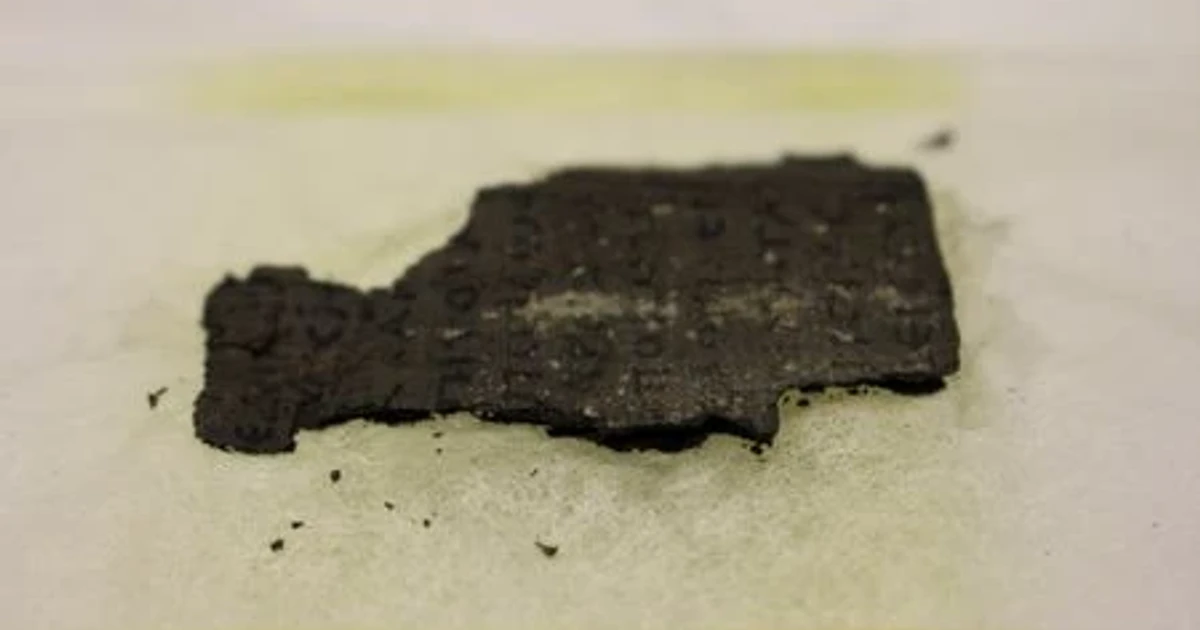
Researchers on Thursday read PHerc. 1667, a sealed Herculaneum scroll burned by Mount Vesuvius nearly 2,000 years ago, from beginning to end without opening it. The feat used artificial intelligence and advanced imaging to virtually unwrap the papyrus.
The newly recovered manuscript, Scroll 4, is roughly 1.4 metres long and contains about twenty-two columns of Greek. The text is a philosophical treatise on ethics, with evidence linking it to a Stoic work dated to the 2nd century BC. Its final preserved column names Aristocreon, the nephew and disciple of the Stoic philosopher Chrysippus.
Earlier physical opening attempts in the nineteenth century, then again in 1969 and the 1980s, destroyed its outer layers and left only a compact inner core. The complete preserved text was recovered from the lower parts of the columns after transcription and review by papyrologists.
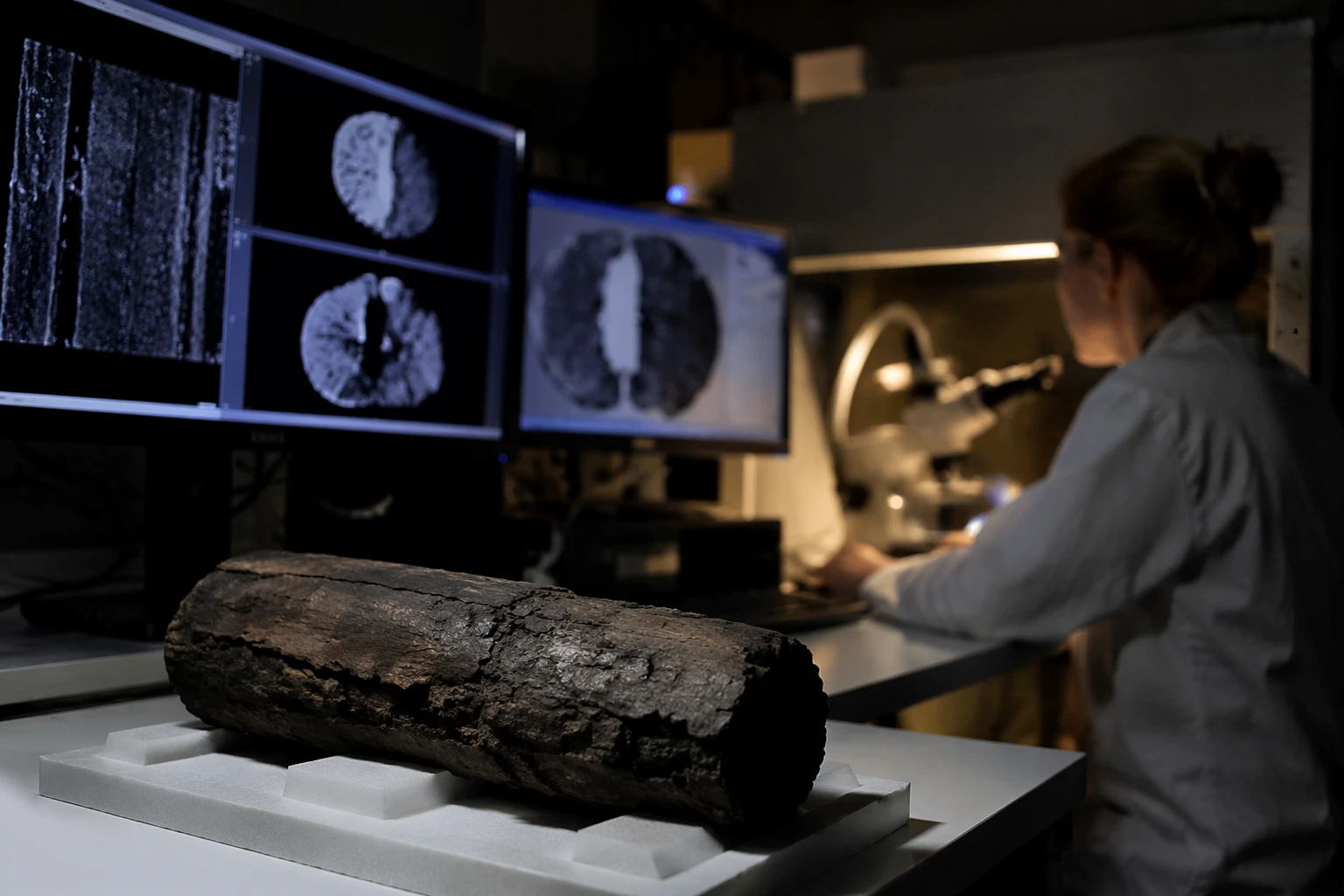
Brent Seales, a professor of computer science at the University of Kentucky and one of the project founders, said on a streamed conference from Naples that a year earlier it would have seemed crazy to believe a complete scroll could be read non-invasively. “Today we have shown you that that is possible,” he said. The announcement was marked at the Biblioteca Nazionale di Napoli Vittorio Emanuele III, where lead researchers, collaborators and guests gathered in Naples.
The Vesuvius Challenge puts the number of extant scrolls still needing to be read at about 300, most of them in Naples, and says full scrolls can range from 10 to 20 centimetres wide and stretch as long as 15 metres. Current techniques can cost between $1 million and $5 million to unwrap one scroll, and the group has already awarded more than $1.8 million in prizes.
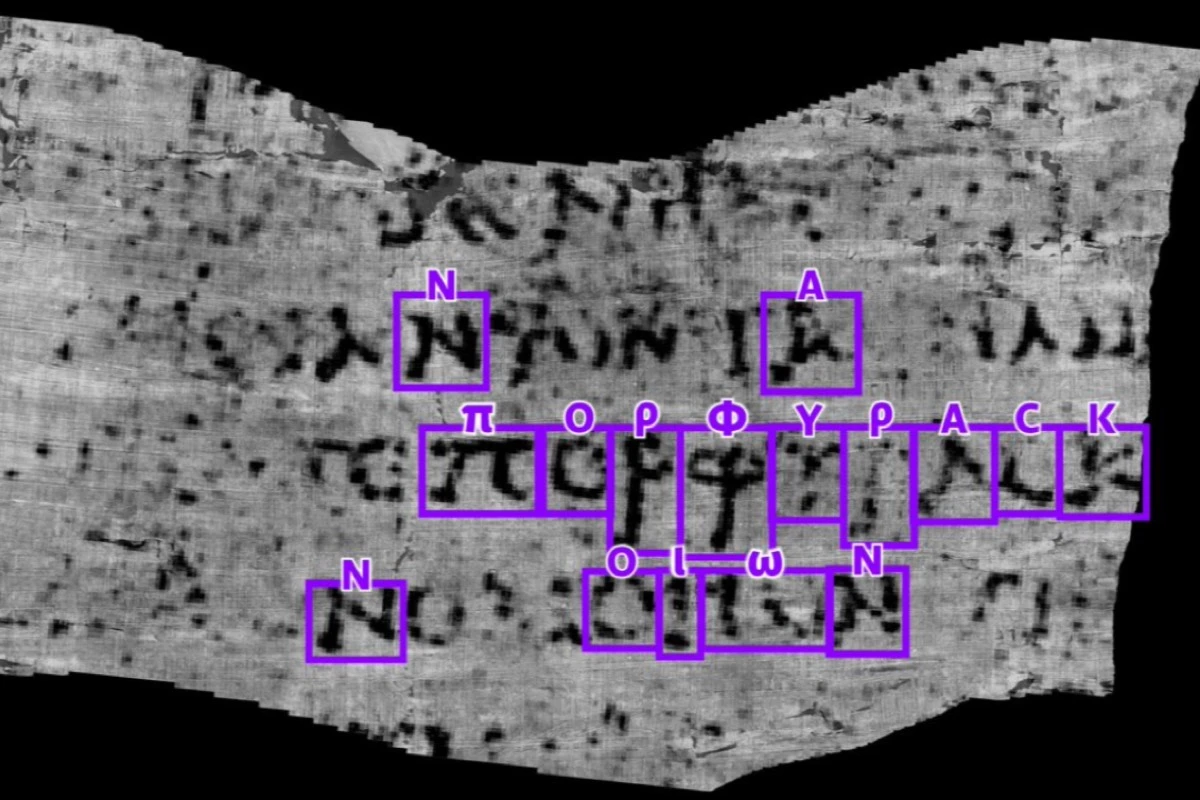
In February 2025, Oxford announced the first image of the inside of PHerc. 172, one of three Herculaneum scrolls in the Bodleian Libraries, and one of the first translated words was , meaning “disgust.” The ink in that scroll may contain a denser contaminant, such as lead, that made it visible in X-ray scans. More than 30 scrolls have now been scanned in varied setups at the BM18 beamline at ESRF.
Sources
- [1]srnnews.com
- [2]scrollprize.org
- [3]ox.ac.uk
- [4]uknow.uky.edu
- [5]nature.com