Business
Air India seeks to delay hundreds of jet deliveries to cut costs
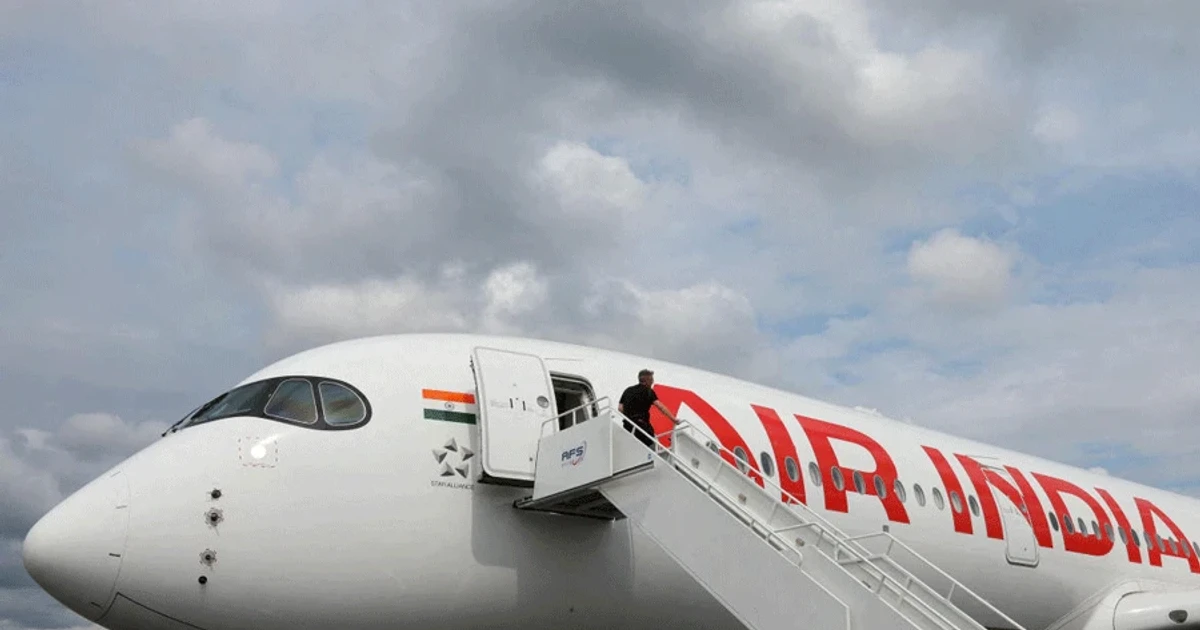
Air India is seeking to defer the delivery of hundreds of jets from Airbus and Boeing, a move that would ease near-term cash pressure but also signal how sharply the airline’s growth ambitions have been overtaken by strain in its operations. For Airbus and Boeing, the delay would ripple through production pipelines and customer forecasts at a moment when one of India’s biggest carriers is no longer acting like a pure expansion story.
The airline had positioned its fleet rebuild as the backbone of Vihaan.AI, the five-year turnaround plan it unveiled in September 2022 under Tata Group ownership. In June 2023, Air India signed purchase agreements for 470 aircraft at a list-price value of about $70 billion, including Airbus A350s and A320-family jets and Boeing 787s, 777Xs and 737 MAX aircraft. Air India initially said deliveries would begin in November 2023, with most of the order arriving from mid-2025 onward, and the plan was reinforced by hiring more than 4,200 cabin crew and 900 pilots through 2023.
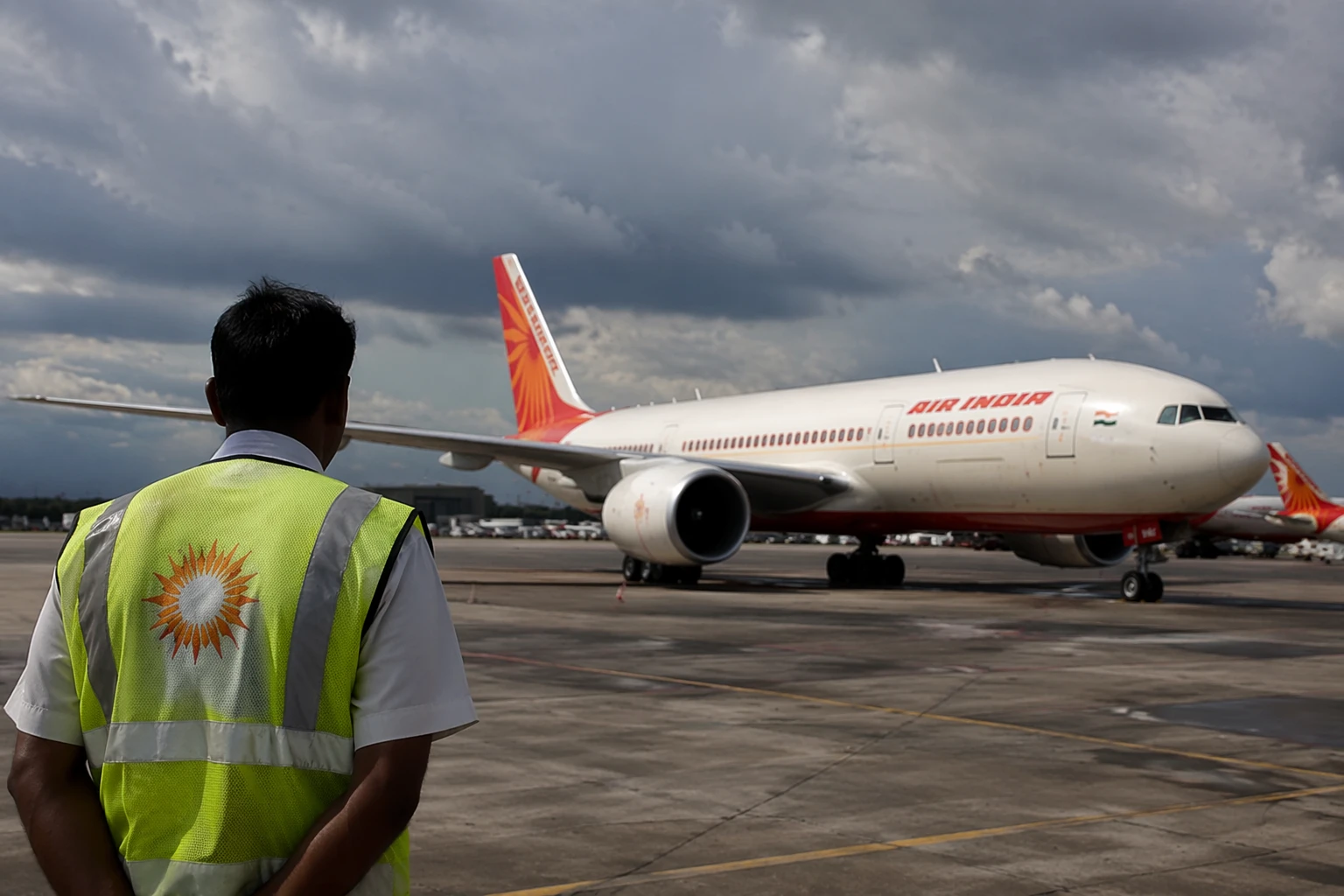
That expansion case has weakened under a harsher operating backdrop. Air India posted a record annual loss of about $2.8 billion for fiscal 2025-26, according to Reuters-linked reporting in May 2026, with the Iran conflict, Pakistan’s airspace ban, high fuel prices and aircraft supply constraints all squeezing the airline. Air India also said in May that it was rationalising its international route network through August 2026 while still operating more than 1,200 international flights a month, a clear sign that management has moved from rapid scaling to tighter control of costs and capacity.
The pressure is especially acute on long-haul flying. Previous reporting said Pakistan’s airspace ban alone could cost Air India roughly $600 million a year, a huge burden for a network that depends on North America and Europe routes. Longer routings raise fuel burn, crew costs and aircraft utilization risk, which can force airlines to defer growth even when demand remains intact. For passengers, that usually means fewer new routes, slower frequency increases and less room for aggressive fare competition.
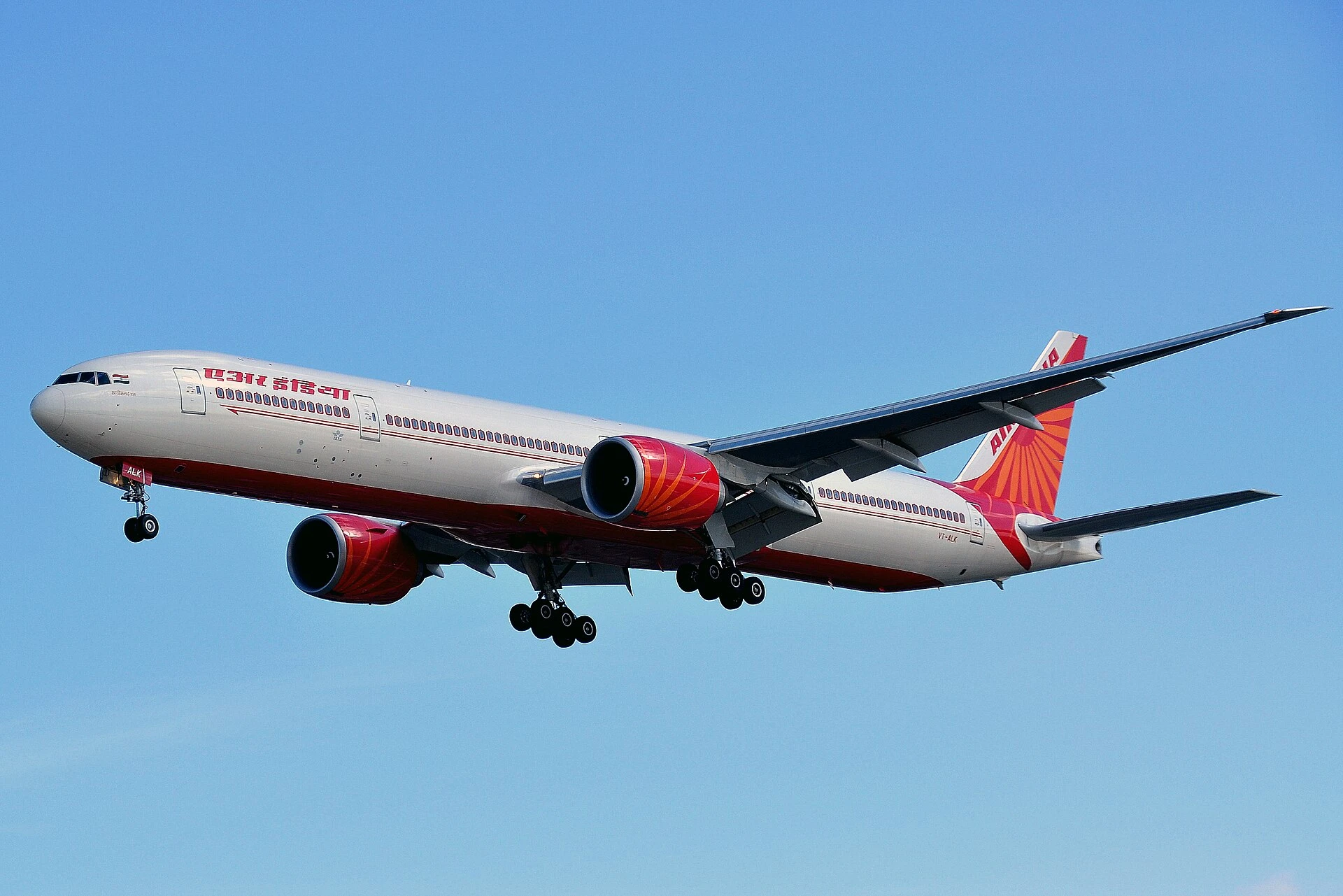
A delivery delay would also matter beyond Air India’s balance sheet. Aircraft handovers usually trigger large final payments, so pushing deliveries back can preserve cash at a time when capital is expensive and earnings are under pressure. But it also tells investors, suppliers and rival airlines that the post-pandemic fleet boom is running into a more difficult reality: geopolitical shocks, higher operating costs and a tougher financing environment are forcing even the most ambitious carriers to protect liquidity before they expand further.