Business
Air New Zealand Introduces Bunk Beds for Economy Class
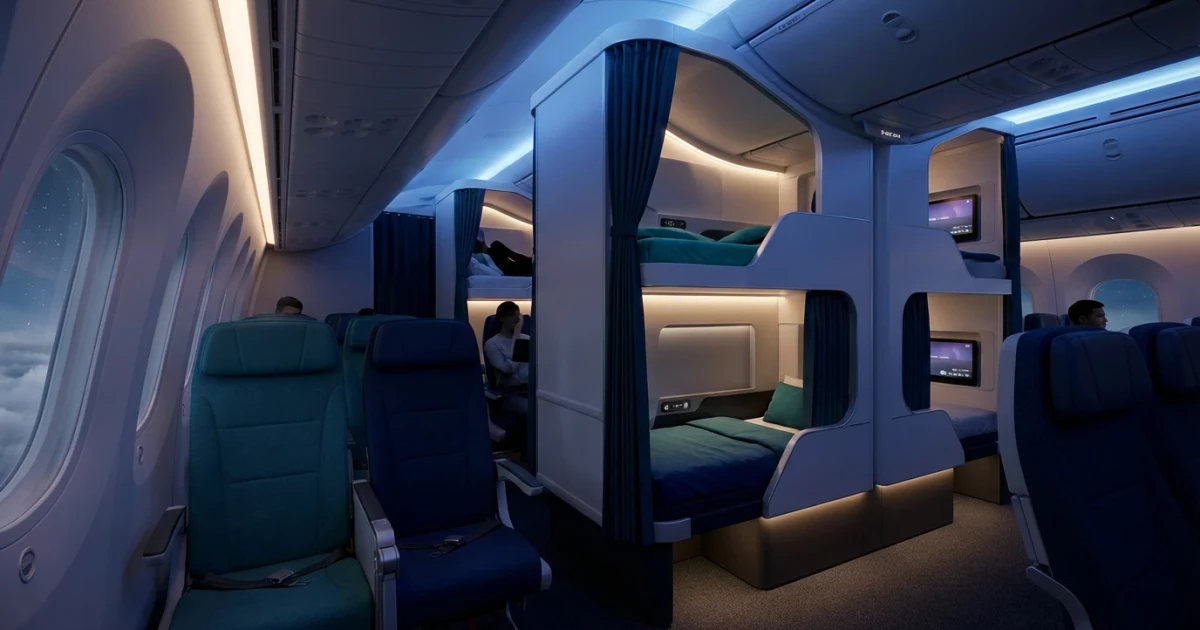
Air New Zealand is set to become the first airline to offer bunk beds in economy class, a move that could reshape in-flight comfort for long-haul passengers. The new feature, branded as Skynest, is designed to provide economy travelers the chance to rest horizontally, a luxury previously reserved for business and first class. However, the airline is also introducing strict rules for Skynest use, including bans on snacks, strong smells, and cuddling, to ensure a clean and peaceful experience for all.
What Is the Skynest?
Air New Zealand’s Skynest is a pod of six full-length bunk beds installed in the economy cabin on select long-haul flights. According to official details from Air New Zealand, each bunk comes with a pillow, sheets, a blanket, ear plugs, and a reading light. Passengers can reserve a four-hour slot in a bunk, supplementing their traditional economy seat. The Skynest design addresses a frequent complaint from long-haul travelers: the difficulty of sleeping upright in a standard seat.
- Each Skynest pod contains six bunks, stacked in pairs.
- Bunks are available in four-hour increments and must be pre-booked.
- Each booking includes bedding, a privacy curtain, USB charging ports, and a reading light.
Comfort and Safety Rules
While the Skynest offers a new level of comfort for economy travelers, Air New Zealand is implementing clear guidelines to keep the shared space clean and restful. The airline has announced bans on eating snacks, bringing strong-smelling foods or items into the bunks, and any form of cuddling or sharing a bunk. These measures are aimed at maintaining hygiene, minimizing odors, and preventing disruptions to other passengers. According to New Zealand Civil Aviation Authority regulations, airlines must ensure shared sleeping spaces meet strict cabin safety and hygiene requirements, a factor driving these policies.
Industry Context and Passenger Demand
The Skynest concept arrives as airlines worldwide compete to enhance the economy-class experience on increasingly long-haul routes. Data from the International Air Transport Association shows rising demand for affordable comfort options, especially on flights lasting over 10 hours. While lie-flat seating has long been available in premium cabins, Air New Zealand’s Skynest marks the first time true horizontal sleeping pods are offered to economy passengers.
Research by the Sleep Foundation highlights that flat sleeping surfaces can significantly improve rest quality during air travel, reducing jet lag and passenger fatigue. This innovation is expected to appeal to travelers seeking improved comfort without the premium-class price tag.
How Skynest Works
Travelers booking economy tickets on select Air New Zealand flights can reserve a Skynest bunk for an additional fee. Each passenger is assigned a specific time slot and must vacate the bunk at the end of their session to allow for cleaning and turnover. The airline’s policies prohibit sharing bunks, and staff will monitor the area to enforce the rules and maintain order. Passengers must use their assigned bunk only and comply with all hygiene guidelines, including not eating or bringing odorous items into the pods.
Implications for the Airline Industry
Analysts note that the Skynest launch may influence other carriers to experiment with economy-class comfort innovations as well. Air New Zealand’s move sets a precedent for cabin configuration and passenger amenities, within the framework of cabin safety regulations and the need to balance comfort with operational efficiency. Other airlines are likely to watch the rollout closely to assess traveler response, operational challenges, and commercial viability.
Looking Ahead
The introduction of economy-class bunk beds is a noteworthy step in the evolution of air travel comfort. While the strict rules may limit some passenger expectations, the ability to lie flat in economy class represents a significant upgrade for long-haul flyers. As Air New Zealand prepares for the Skynest’s debut, industry observers will be watching to see whether passengers embrace the new option and whether it sparks a broader trend in airline seating innovation.