Business
Airbus and Boeing charter giant Antonov to ease supply chain strains
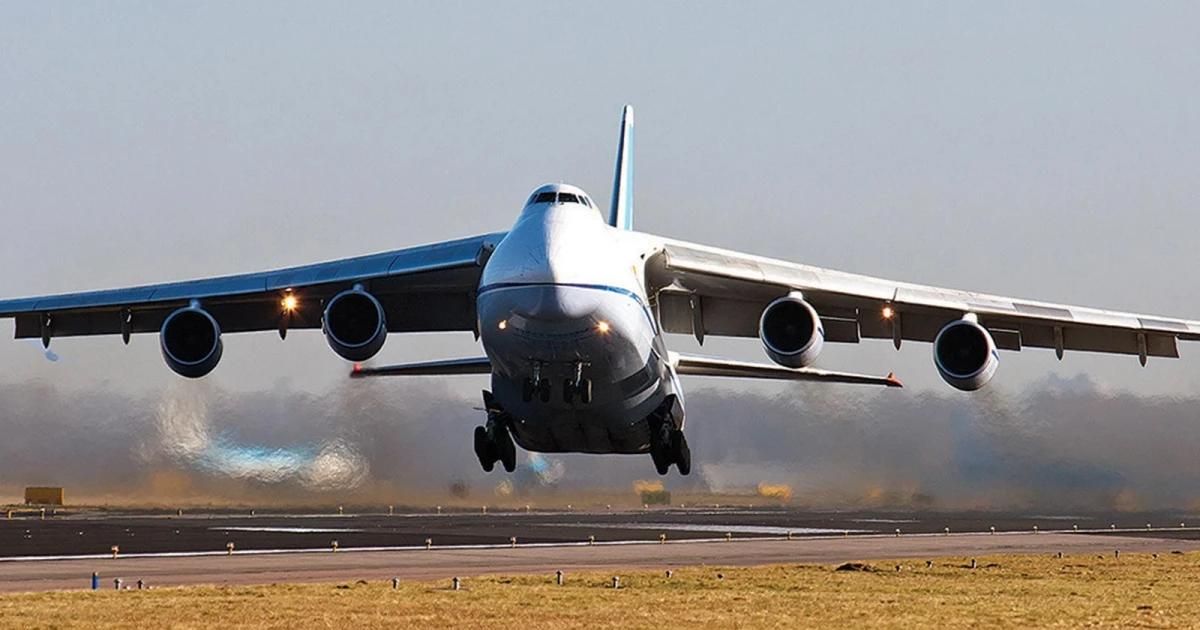
Airbus and Boeing have chartered one of the world’s largest cargo aircraft, the Antonov An-124, to rush aerostructures for the A350 and 767 programs, a vivid sign that supply-chain pressure is still forcing extraordinary logistics moves in commercial and military aviation. The giant four-engine freighter has also been used to move parts for the Boeing 777 freighter, showing the charter is part of an ongoing effort to keep assembly lines supplied rather than a one-off shipment.
The latest use of the An-124 reflects the practical problem facing both manufacturers: large subassemblies often have to cross continents before final assembly, and ordinary freight capacity can be too slow when a single component threatens to idle a production line. Boeing’s 767 airframe can be configured as a freighter or tanker, which makes the shipment relevant not only to commercial deliveries but also to defense-linked production. A Boeing spokesperson said the company uses a variety of transportation methods to maintain stability in production, a reminder that delivery schedules, inventory planning and revenue recognition can all be disrupted when parts stop moving.
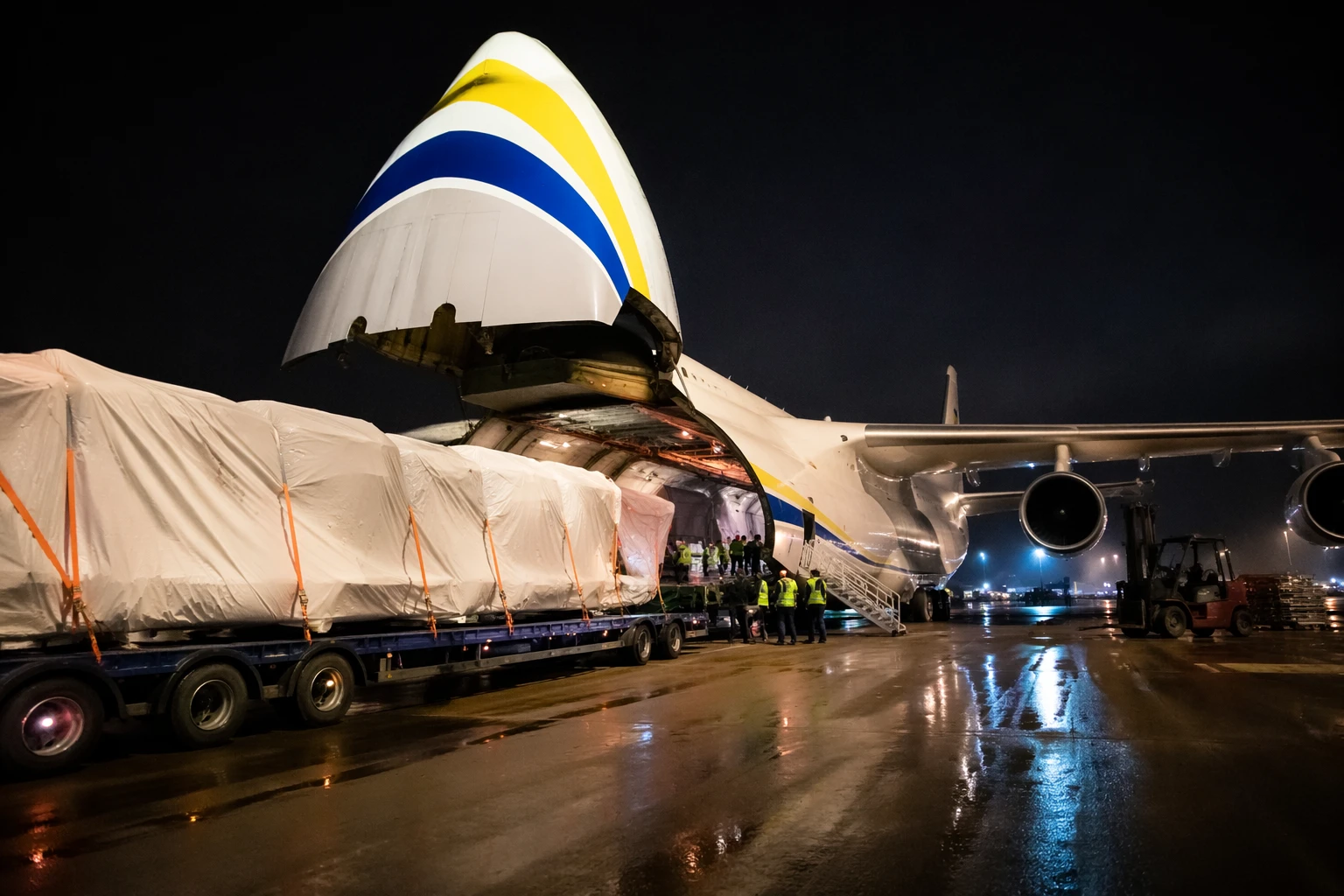
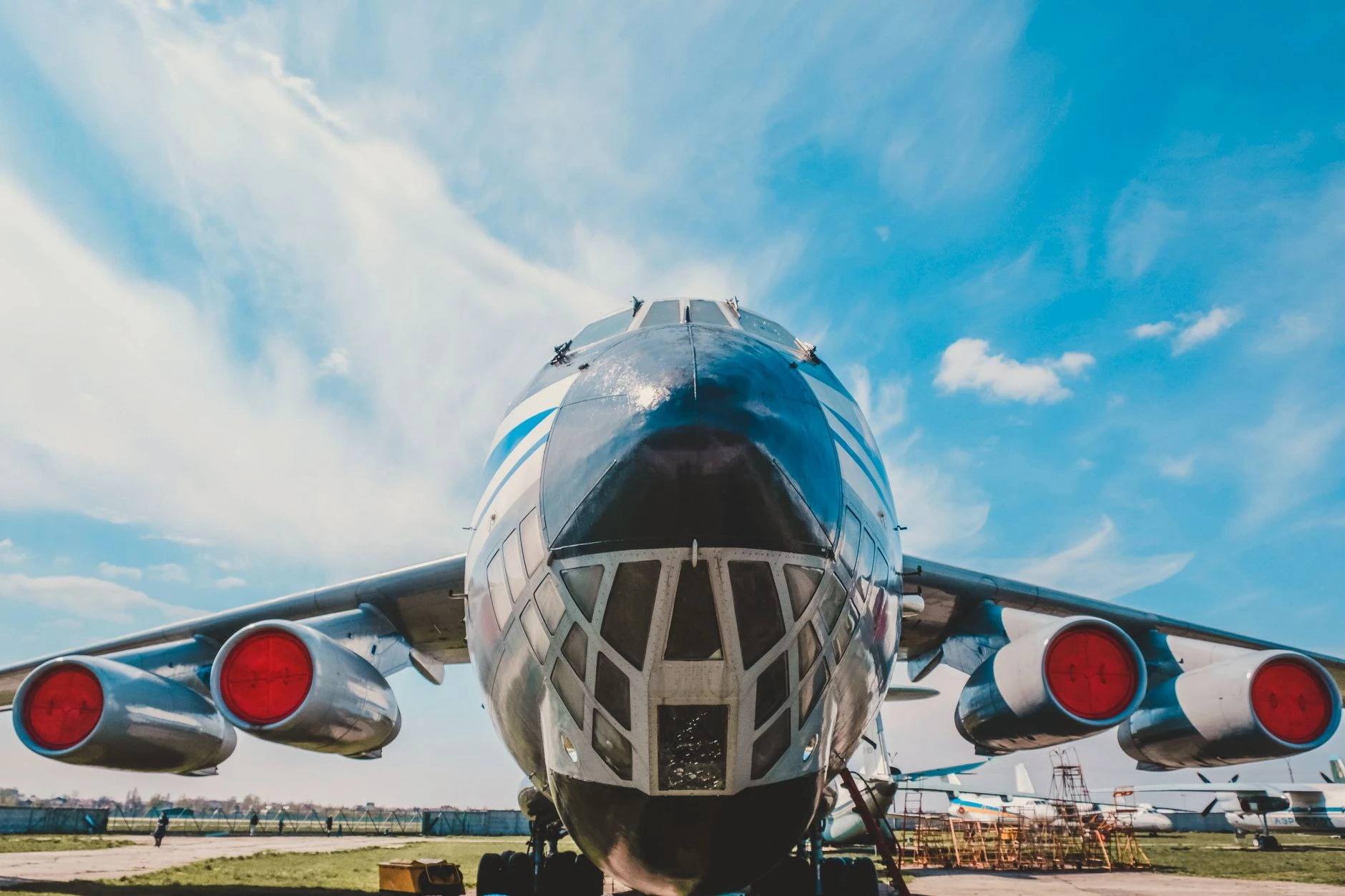
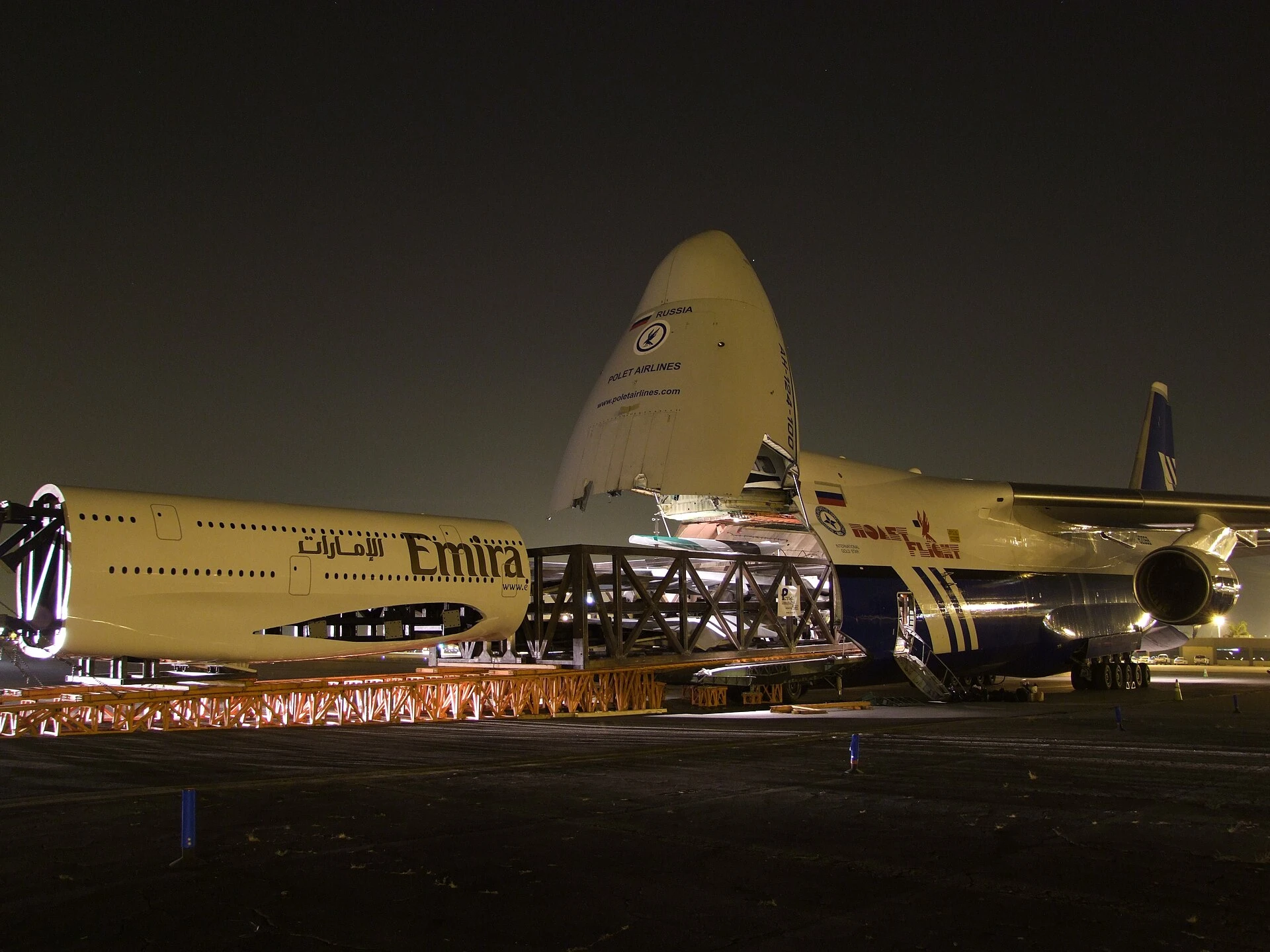
The charter lands against a broader industrial squeeze that has not eased since the pandemic-era logistics shocks. A 2024 U.S. Government Accountability Office report said Boeing and Airbus, along with the companies that supply them with parts and materials, faced shortages of workforce and materials while trying to increase output, with the Boeing 737 and Airbus A320 families especially difficult to ramp up. Airbus delivered 793 aircraft in 2025, a 4% increase, despite industrial snags and fresh uncertainty around engine supplies, underscoring how much production is at stake when even a single aerostructure is delayed. The use of an Antonov for Airbus and Boeing shows that both rivals are making the same emergency move: paying for outsized lift when standard freight lanes cannot keep up with the demands of modern aircraft manufacturing.
Sources
- [1]money.usnews.com
- [2]gao.gov
- [3]cnbc.com
- [4]boeing.com