Business
Airbus cuts 20-year jet demand forecast after Iran war, trade tensions

Airbus trimmed its 20-year forecast for passenger jet demand by 1% on July 8, lowering expected deliveries to 42,060 aircraft between 2026 and 2045 after the Iran war and trade tensions slowed the recovery in airline activity. The new outlook, released in London, matters well beyond Airbus’s balance sheet because long-range aircraft forecasts shape factory schedules, engine output, staffing, financing and supplier investment. Airbus said its record order book still stands at about 9,000 aircraft, with A320 production planned at a rate of 75 a month.
The revised forecast still points to a very large market, but one that is leaning more toward replacement than rapid expansion. Airbus now expects 33,920 single-aisle jets and 8,140 wide-body aircraft over the period, and it said replacement aircraft will account for 47% of deliveries, up from 45% previously. That shift matters because it suggests airlines are more likely to refresh aging fleets than to add seats aggressively, a sign the slowdown will show up first in manufacturing pipelines and airline expansion plans rather than in an outright collapse in travel demand.
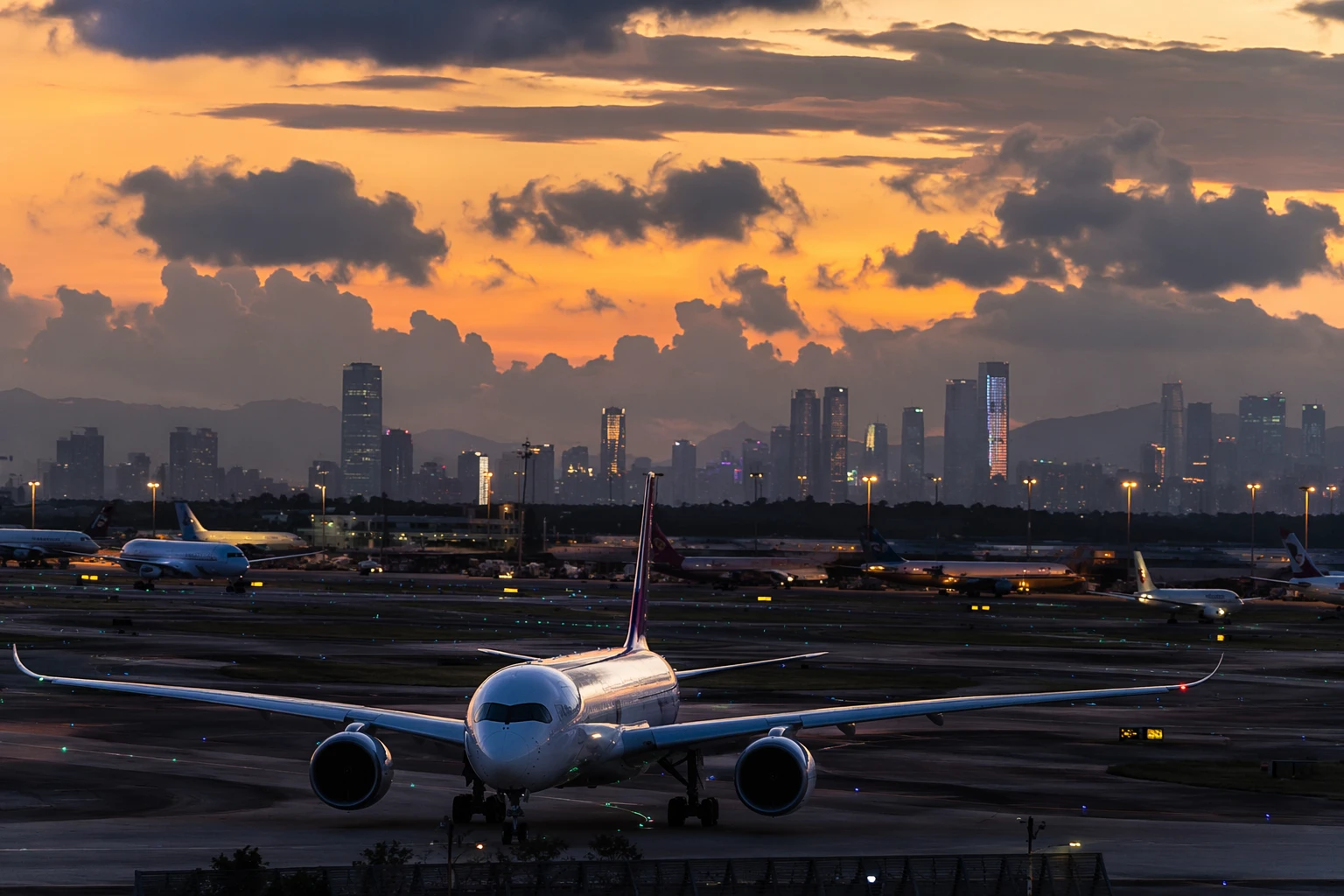
Airbus also said the “post-COVID recovery has effectively flattened,” a stark change from the expectations that followed the pandemic, when carriers were rebuilding networks and betting on a sustained surge in travel. The company still sees passenger traffic growing 3.9% a year and climbing to more than 10 billion passengers by 2045, supported by global GDP growth of 2.6%, rising urban populations and a larger middle class. But the new forecast is notably below Airbus’s prior 2025 outlook, which called for 43,420 aircraft deliveries over 2025 through 2044.
Asia remains the center of gravity in Airbus’s long-term model, and the company said the region should account for about half of all deliveries. Even so, Airbus adjusted its country outlooks in opposite directions, lifting India’s forecast for annual domestic traffic growth to 9.1% from 8.9% while cutting China’s to 4.7% from 5.4%. Airbus also said more than 70% of its A320 family backlog is for the larger A321neo and A321XLR, aircraft built for new city-pair routes rather than simple capacity growth. That mix suggests the next phase of demand will be more selective, with airlines favoring routes that can justify newer, more efficient jets.
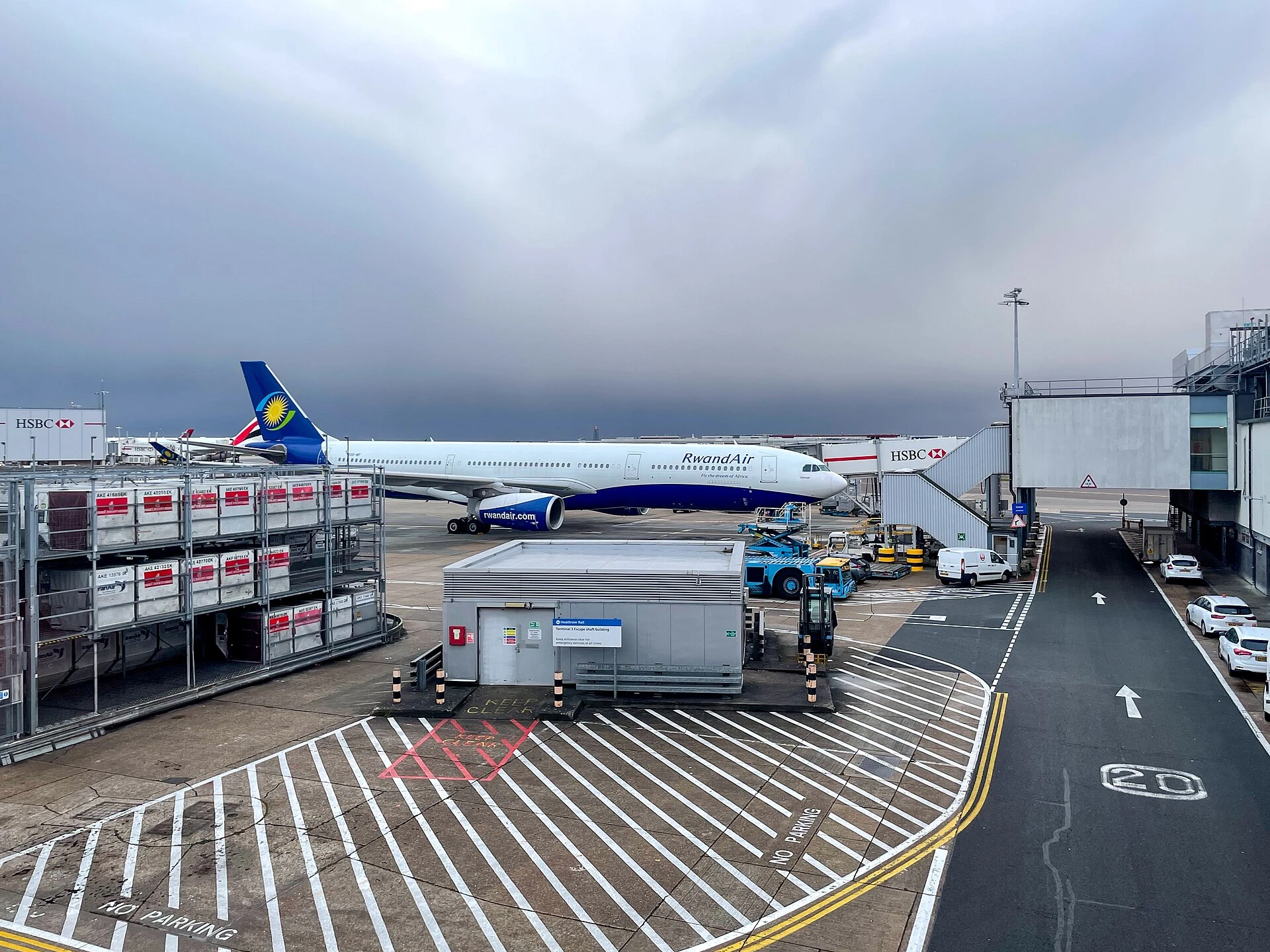
The broader industry outlook is still constructive. ACI World projected 10.2 billion passengers in 2026 and 18.8 billion by 2045, while IATA forecast 4.9% year-over-year traffic growth in 2026, led by 7.3% growth in Asia-Pacific. For Airbus, that leaves the market large but less exuberant than in the first years after COVID, when expectations for fleet growth, leasing demand and supplier orders were rising in tandem.
Sources
- [1]money.usnews.com
- [2]airbus.com
- [3]iata.org
- [4]aci.aero