World
Airbus eyes Saab partnership as Europe’s fighter project unravels
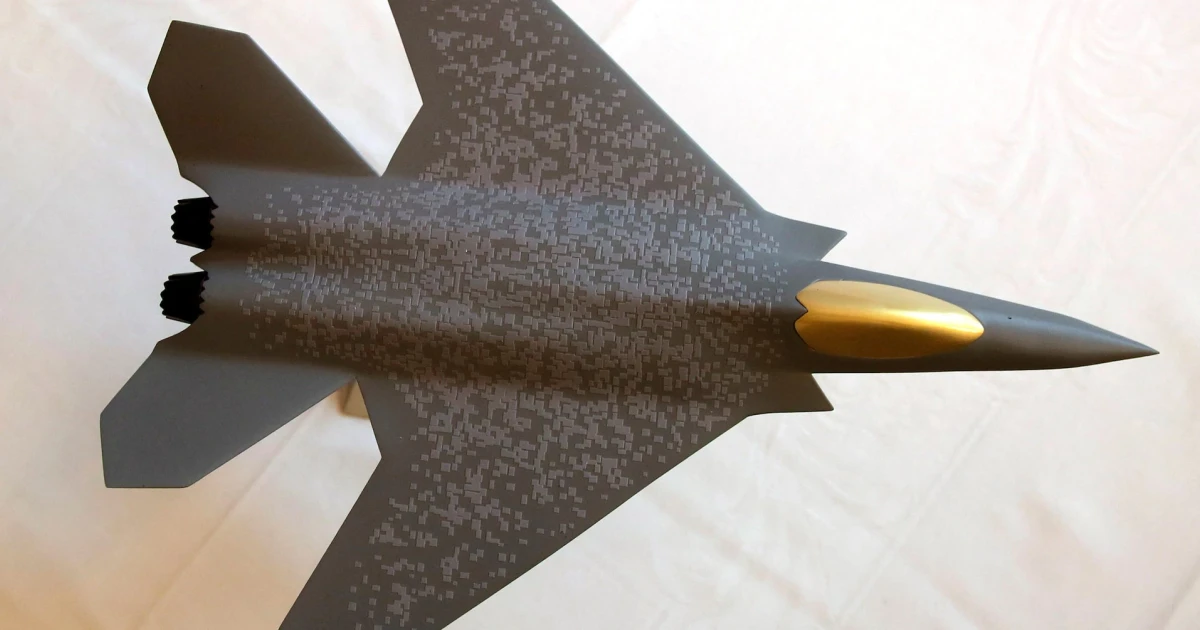
Airbus is turning toward Sweden’s Saab as Europe’s flagship fighter project comes apart, a shift that exposes how fragile the continent’s push for a unified defense industry has become. Michael Schoellhorn, who leads Airbus Defence & Space, said Saab is among the potential partners, though it is still too early to close off other options.
The talks have been broad and exploratory for at least six months, reflecting a scramble over who will shape Europe’s next combat aircraft. Saab said any cooperation would be a political decision and that it kept an open-door policy for collaboration. Separate contacts have also taken place around GCAP, the Britain-Italy-Japan program, while Leonardo’s Lorenzo Mariani said Germany would be a “particularly valid partner.”
The backdrop is the collapse of FCAS, the tri-national effort between Germany, France and Spain that was supposed to deliver Europe’s next-generation fighter. The project, with a budget often cited at about €100 billion, was meant to combine a piloted fighter, remote-carrier drones and the Combat Cloud data architecture. After nine years, the alliance between Airbus and Dassault Aviation had been strained by repeated disputes over leadership and work share, and the break was expected to be made official at the Berlin Air Show.
That failure carries weight far beyond one aircraft. Europe is under pressure to rebuild military capacity, strengthen advanced aerospace production and reduce dependence on the United States for key defense technologies. At ILA Berlin, an air show that dates back to 1909, the political mood was sharpened by warnings from Western officials about Russia and by Washington’s push for faster European rearmament. The opening day was also disrupted by protesters, underscoring how closely defense industrial policy is now tied to wider geopolitical tension.
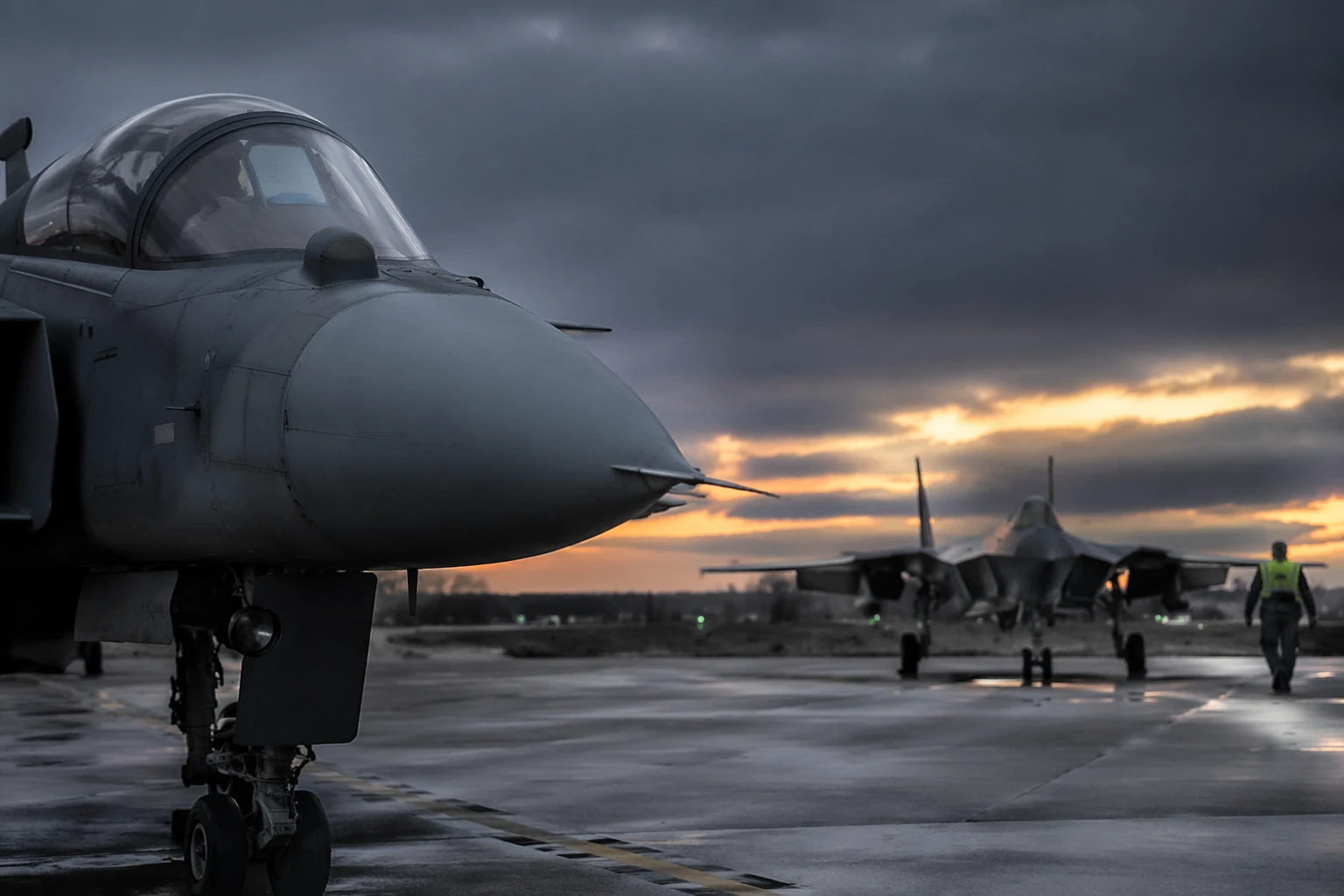
Germany’s next move could shape the market for years. Friedrich Merz has questioned whether a manned sixth-generation fighter still makes sense for Germany’s air force, even as Berlin’s new aviation strategy was reported to require Airbus to co-lead any future German combat-aircraft program. MTU Aero Engines said decisions on the next path must be taken within weeks, and Helsing’s Stephanie Lingemann said software-driven defense and autonomy could be folded into whatever comes after FCAS.
The wider European picture is already fragmenting. Spanish stakeholders had hedged by backing Airbus-Indra and other studies, while Belgium’s defense minister reportedly declared “SCAF is dead” before Brussels ordered 11 more F-35As. If Airbus moves closer to Saab, or if Germany edges into GCAP, Europe’s next fighter will be built less around a single grand industrial strategy than around a new map of competing alliances.