Business
Airlines Brace for Higher Fares Amid Jet Fuel Surge
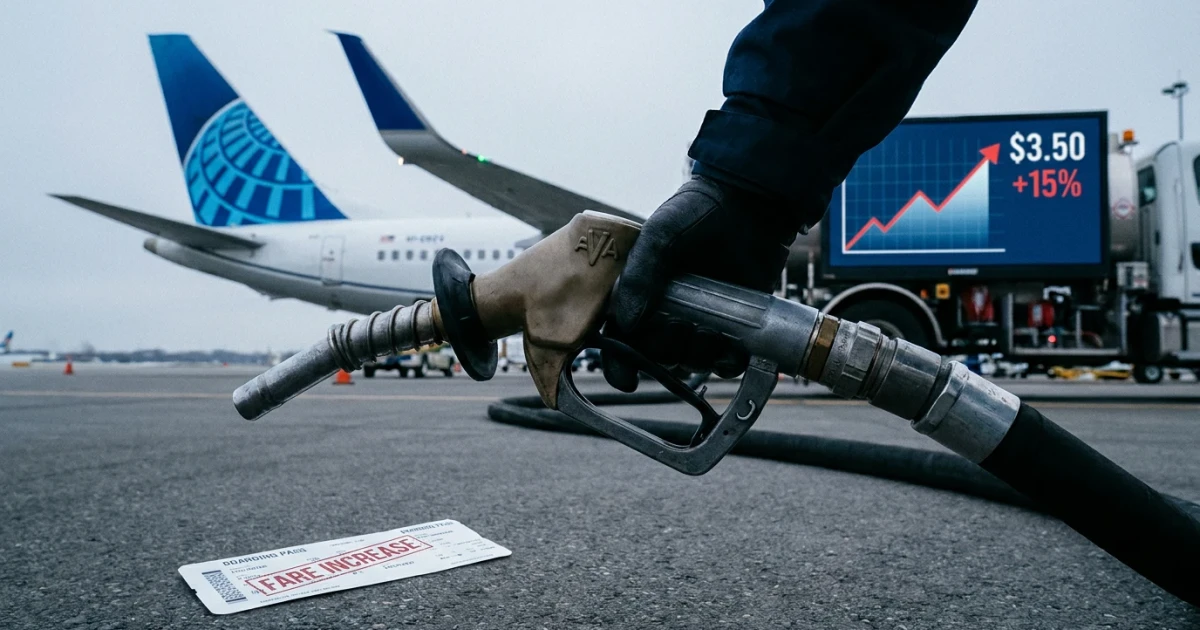
Airlines around the world are warning that rising air fares are set to impact travelers this year, driven by a dramatic surge in jet fuel costs following energy market disruptions linked to the Iran crisis. Industry analysts estimate an extra $100 billion will be added to airlines’ collective fuel bills in 2026, making fare hikes all but unavoidable.
Jet Fuel Prices Hit New Highs
Jet fuel is among the largest single expenses for airlines, typically accounting for 20-30% of airline operating costs. The recent surge, attributed to geopolitical tensions and instability in global energy markets, has sent prices to levels not seen since the early 2020s. Data from the IATA Jet Fuel Price Monitor shows a sharp increase in global jet fuel prices over the past several months, with spot prices on the U.S. Gulf Coast and other major hubs reflecting the spike.
- $100 billion estimated added to airlines’ global jet fuel bills in 2026
- Jet fuel costs now account for a significantly higher percentage of total airline expenses
- Regional differences mean some airlines, especially those with less fuel hedging, face more acute impacts
Impact on Air Fares and Passengers
According to The Guardian, industry executives say fare increases are now ‘inevitable’ as airlines seek to offset these new costs. Historically, spikes in fuel prices are quickly passed on to consumers, with data from the U.S. Bureau of Transportation Statistics showing a close correlation between fuel costs and average air fares.
Many major carriers have already begun adjusting their pricing structures, and analysts predict that ticket prices will continue to rise throughout the year. While some airlines use fuel hedging strategies to limit short-term exposure, the scale of the current increase is expected to overwhelm most risk management efforts.
Economic Pressures Facing Airlines
The additional $100 billion in costs comes as the industry is already dealing with volatile demand, increased competition, and ongoing post-pandemic recovery efforts. The International Civil Aviation Organization highlights that fuel represents the most volatile and unpredictable cost factor for airlines, often forcing difficult choices between profitability and affordability for travelers.
Some airlines may also look to cut routes, reduce capacity, or delay fleet upgrades to manage costs, which could further impact connectivity and service levels for passengers worldwide.
Looking Ahead: What Travelers Should Expect
As fuel prices remain elevated, travelers are likely to see higher fares across both domestic and international routes. The extent of increases will vary by region, airline, and route type, but the consensus among industry analysts is clear: the era of cheap air travel may be on pause, at least in the near term, as carriers struggle to absorb this significant new expense.
For those planning trips, monitoring fare trends, booking in advance, and considering flexible travel dates may help mitigate the impact of rising costs.