World
Airlines Expand Routes as Cities Adapt After Oil Crisis
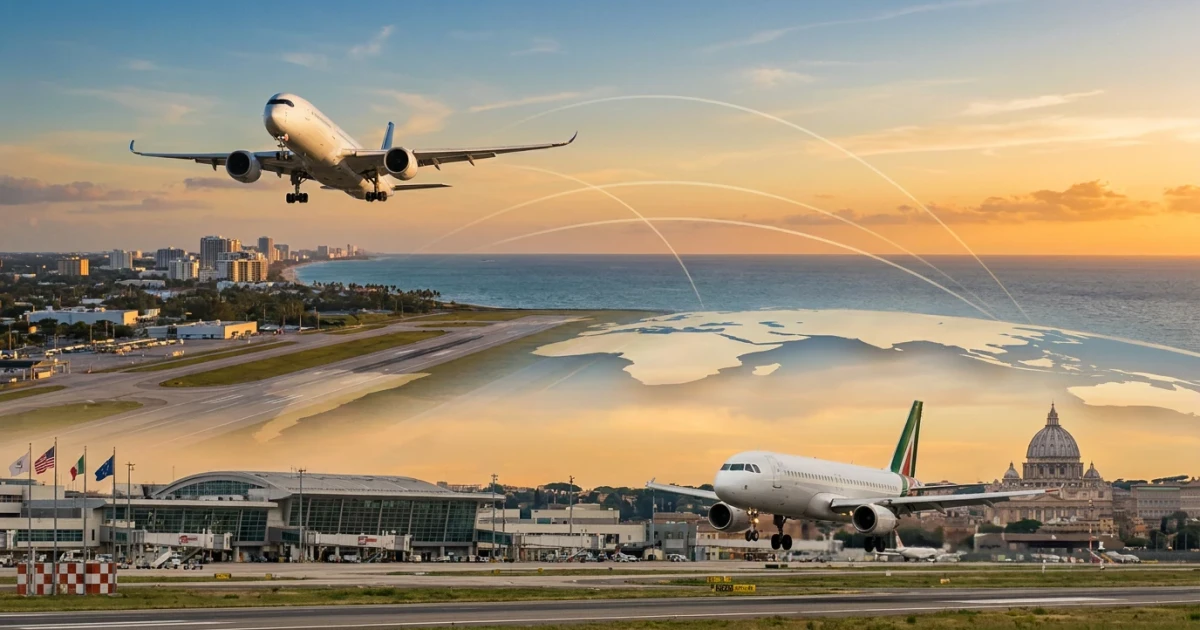
Fort Lauderdale and several other global cities—including Rome, Hanoi, Orlando, Chicago, Houston, Seattle, and Santo Domingo—are witnessing a significant rebuilding of international airline networks in the aftermath of the Hormuz Crisis. The crisis, which triggered global oil supply disruptions, has led airlines to rapidly recalibrate their operations and route strategies to restore connectivity and support local tourism sectors.
Global Oil Disruption and Airline Response
The Hormuz Crisis, which affected oil supply routes in the Middle East, caused a ripple effect across global transportation. Airlines initially faced operational challenges, including increased fuel costs and route suspensions. However, as reported by Travel And Tour World, carriers are now moving swiftly to re-establish international links among key cities. This recovery effort is seen as essential for economic stability and the revitalization of travel-dependent industries.
- Fort Lauderdale has seen a surge in visitor arrivals as airlines restore flights, supporting local hotels and businesses. Official tourism statistics confirm the city's reliance on international travelers.
- Rome, a major hub for European tourism, is also experiencing a rebound. According to ISTAT tourism data, international arrivals are a cornerstone of the city's economy.
- Orlando, renowned for its theme parks, is benefiting from restored flight networks, as detailed in Orlando Economic Partnership tourism data.
- Chicago and Houston—both major business and leisure destinations—have reported increased hotel occupancy and tourism spending, according to Chicago tourism statistics and Houston's official records.
- Seattle and Santo Domingo are similarly seeing renewed international arrivals, with Seattle tourism data and Dominican Republic tourism statistics documenting the uptick.
Tourism Sector Recovery Across Cities
Tourism boards and city officials in these destinations have emphasized the importance of restored airline networks for their economies. Visitor statistics and hotel occupancy rates are closely watched indicators, with many cities reporting early signs of recovery as international flights resume. Globally, the UNWTO notes that international arrivals are rebounding, although some cities face ongoing challenges from elevated fuel costs and operational uncertainties.
- Fort Lauderdale’s tourism sector relies heavily on international air connectivity, with hotel occupancy rates and visitor spending tracking closely to airline capacity.
- Rome’s recovery is bolstered by its appeal as a cultural and historical destination, with overnight stays increasing as flights return.
- Orlando’s theme parks and attractions are benefiting from renewed travel demand, according to official tourism data.
Challenges and Forward Outlook
While airlines are rebuilding networks, they face ongoing challenges from volatile fuel prices and logistical complexities. Some cities report that flight frequencies remain below pre-crisis levels, and tourism boards are working to attract visitors with targeted campaigns and incentives.
Industry experts suggest that the pace of recovery will depend on several factors:
- Stabilization of global oil supply and fuel costs
- Continued investment in airline capacity and route expansion
- Government support for tourism and hospitality sectors
- Traveler confidence and demand for international destinations
Looking Ahead
The rebuilding of airline networks among cities like Fort Lauderdale, Rome, Hanoi, Orlando, Chicago, Houston, Seattle, and Santo Domingo marks a critical step in restoring global travel flows. As airlines adapt to new market conditions and cities leverage their tourism strengths, industry observers expect a gradual but sustained recovery in international arrivals and local economic performance.
For travelers and businesses alike, the renewed connectivity offers opportunities for revitalized commerce, leisure, and cultural exchange, underscoring the resilience of the global travel sector in the wake of crisis.