World
Airstrikes Hit Tehran as Deadline for Strait Reopening Nears
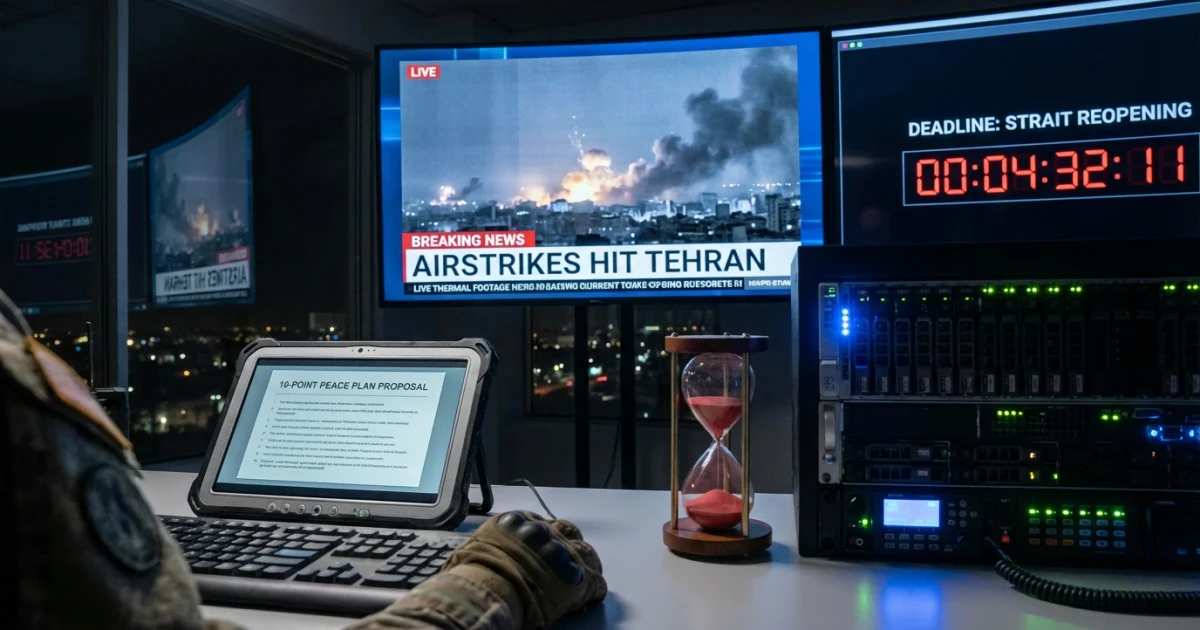
Tehran is experiencing a wave of airstrikes as the United States, under the Trump administration, enforces a final deadline for Iran to reopen the critical Strait of Hormuz. The escalation, reported by AP News, comes as tensions mount in the region and Iran unveils a 10-point proposal aimed at ending the attacks and lifting international sanctions.
Strikes Intensify Ahead of U.S. Deadline
Overnight, multiple strikes targeted the Iranian capital, with explosions reported across key districts. The attacks come just as the U.S. administration’s deadline for Iran to reopen the strategic Strait of Hormuz draws near. The strait, a crucial maritime chokepoint, handles a significant portion of the world’s oil shipments, making its closure a focal point of international concern.
- Tehran struck by multiple airstrikes overnight
- Deadline imposed by the Trump administration for reopening the Strait of Hormuz
- Strait critical for global oil exports and energy security
AP News described widespread damage in several neighborhoods, with details on the full extent of casualties and infrastructure losses still emerging. The strikes are the latest in a series of military actions that have escalated in recent weeks as diplomatic efforts stall.
Iran’s 10-Point Proposal for De-escalation
In response to the intensified military pressure, Iranian officials have unveiled a new 10-point proposal. The plan, as referenced by The New York Times and AP News, calls for an immediate end to the ongoing attacks and the lifting of international sanctions. While the full details of the proposal have not been made public, its core demands include:
- Immediate cessation of airstrikes and other military actions
- Reopening of diplomatic channels with the United States and regional actors
- Gradual lifting of economic and financial sanctions on Iran
- Mutual guarantees on the safety and freedom of navigation in the Strait of Hormuz
Iran’s proposal reflects a growing sense of urgency as the country grapples with the economic and humanitarian fallout of the conflict. Sanctions have severely impacted Iran’s economy, with recent data from the Iran Chamber of Commerce showing continued declines in oil exports and trade flows. The humanitarian situation is also deteriorating, as documented by UN Human Rights Council reports.
Impact on Global Energy Markets
The closure of the Strait of Hormuz has immediate consequences for global energy markets. According to the U.S. Energy Information Administration, roughly one-fifth of the world’s petroleum passes through the strait. Any prolonged disruption threatens to spike oil prices and disrupt supplies, with ripple effects felt far beyond the Middle East.
Historically, the strait has been a flashpoint for geopolitical tensions. The current standoff is reminiscent of previous episodes where military threats and economic sanctions intertwined, leading to international calls for de-escalation. For more on the strategic importance and history of military actions in Tehran, see GlobalSecurity.org’s backgrounder on Tehran military strikes.
International Reactions and Next Steps
World leaders and international organizations have urged both sides to step back from the brink and return to negotiations. The United Nations has called for immediate humanitarian access to affected areas and emphasized the need for diplomatic solutions. Ongoing sanctions, as outlined in the UN Security Council’s official records, continue to shape the conflict’s trajectory.
The coming days are critical as the deadline set by the Trump administration looms. Observers are watching closely to see whether Iran’s proposal leads to talks or whether military actions will further escalate. The situation remains fluid, with both risks and opportunities for de-escalation on the table.
Analysis: A Critical Moment for Diplomacy
The convergence of military and economic pressure has brought the Iran crisis to a turning point. With Tehran under attack and the international community on edge, the fate of the Strait of Hormuz and the broader region depends on the willingness of all parties to pursue dialogue over confrontation.