Politics
Alabama GOP runoff pits Trump-backed Barry Moore against Jared Hudson
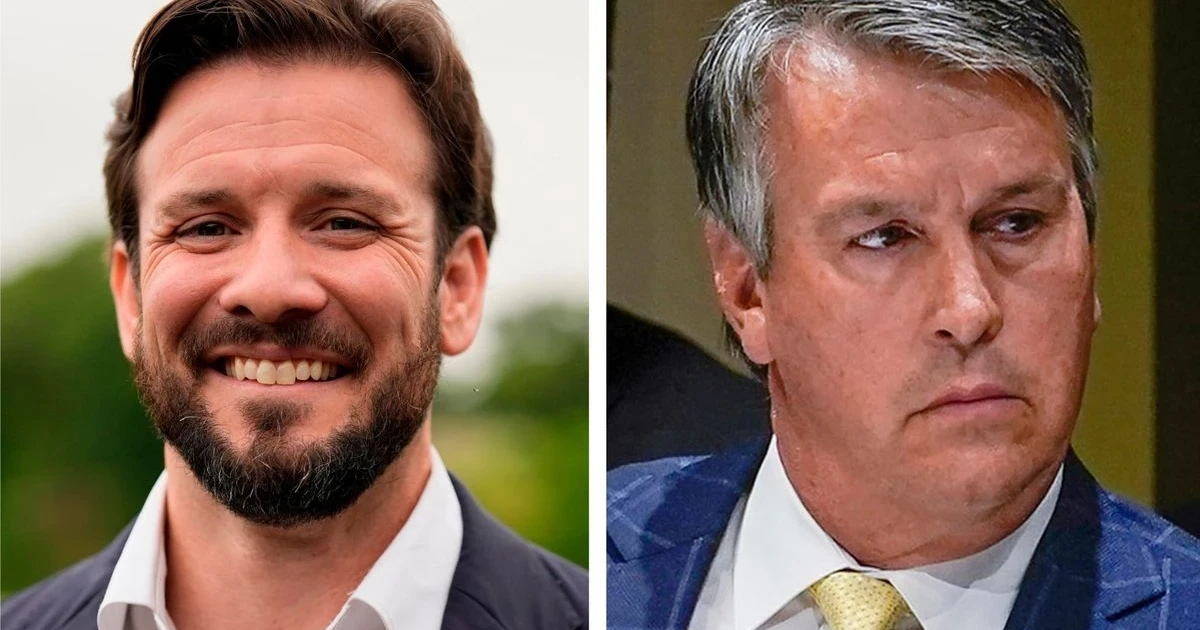
Barry Moore entered Alabama’s Republican runoff with Donald Trump’s backing, but not with the outright majority he needed to claim the state’s open Senate seat. Against former Navy SEAL Jared Hudson, the contest became a test of whether Trump’s brand, establishment muscle or movement-style hard-line politics would matter most in a state where the GOP primary often settles the race before November.
Alabama voters went back to the polls on June 16 after no candidate cleared 50% in the May 19 primary. Moore, a three-term congressman, led that first round with about 40% of the vote, while Hudson finished second with roughly 26%. Alabama Attorney General Steve Marshall, who took almost 25%, conceded after the primary, narrowing the field to two Republicans for a runoff that AP said would likely decide Alabama’s next senator.
The seat is open because Sen. Tommy Tuberville chose to run for governor instead of seeking re-election, making the Republican nomination especially consequential in a state that remains heavily red. Trump endorsed Moore on January 17, 2026, and Moore’s campaign has argued that his backing gives Republicans their strongest chance to keep the seat in GOP hands. Moore also framed the race as a choice for a “Trump conservative” in the Senate.
Hudson, a political newcomer, has tried to turn his lack of elected-office experience into an advantage. He has leaned on his Navy SEAL background and cast himself as a fighter for Trump’s “America First” agenda, positioning the runoff not as a replay of the primary but as a sharper choice about what kind of Republican should represent Alabama in Washington.
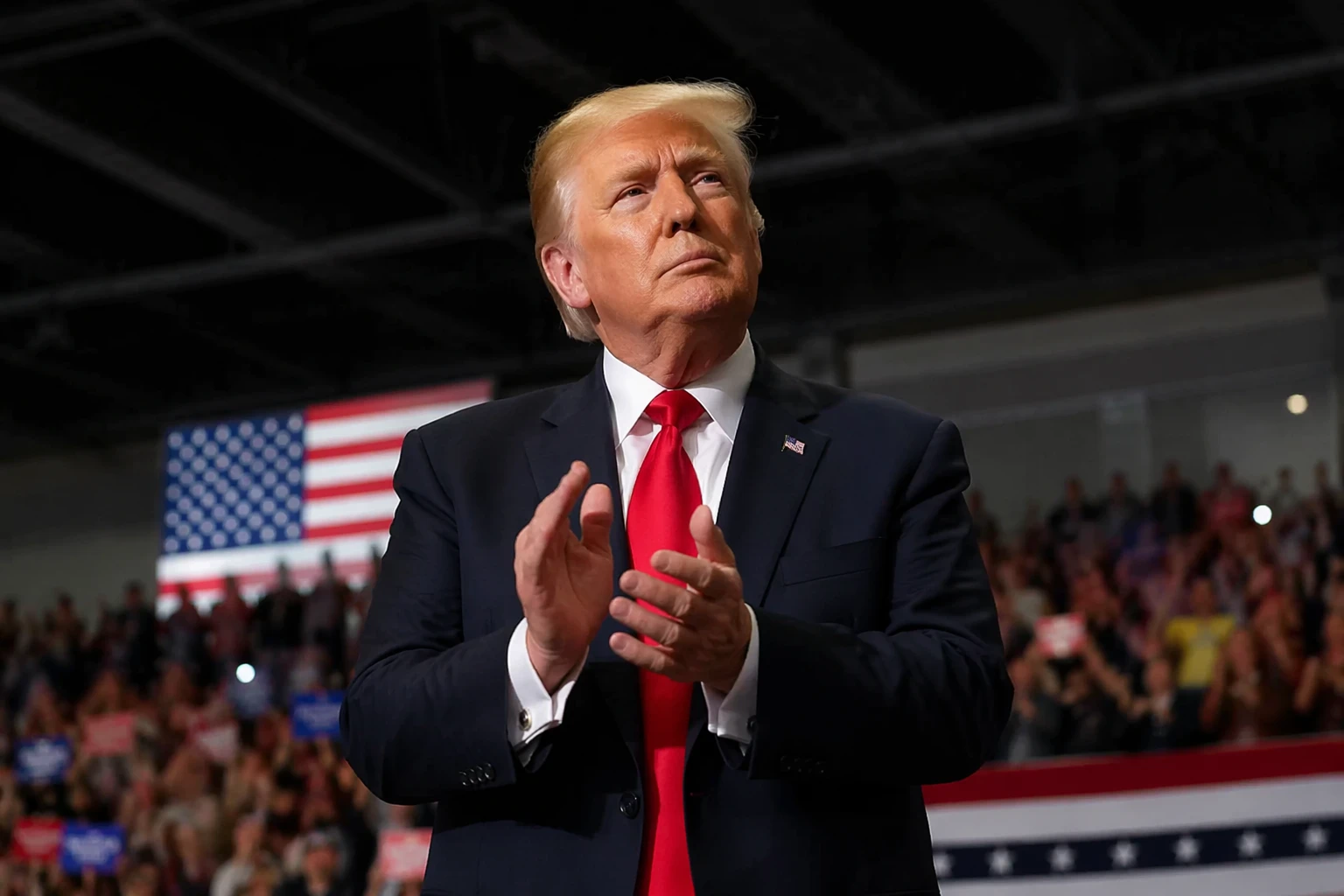
The runoff carried broader significance because Alabama races can hinge less on persuasion than on turnout. With the electorate shrinking between the first round and the runoff, the winner often is the candidate who can better mobilize loyal voters rather than broaden the coalition. That dynamic gave the race national resonance: a Trump-endorsed incumbent-aligned Republican and a movement-minded challenger were meeting in a setting where the runoff itself could reveal which style of politics still has the stronger grip.
A separate Democratic runoff between Everett Wess and Dakarai Larriett also resolved a general-election nomination, but the Republican contest drew the sharper attention because of Alabama’s partisan lean and the likelihood that the GOP winner will be the clear favorite in November. In Montgomery and beyond, the June 16 runoff was less about settling a party dispute than about measuring which Republican brand still wins when the field narrows and the stakes rise.
Sources
- [1]apnews.com
- [2]sos.alabama.gov
- [3]apr.org
- [4]newsfromthestates.com
- [5]aldailynews.com
- [6]wdhn.com