Politics
Alabama runoff centers on data centers, solar power and electricity costs
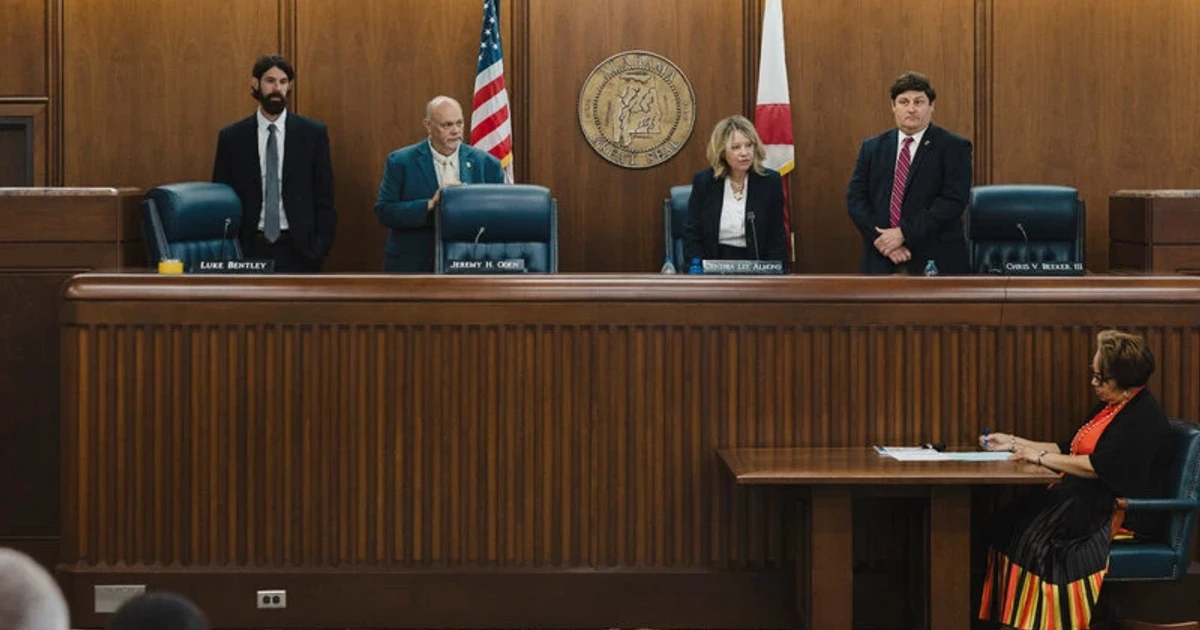
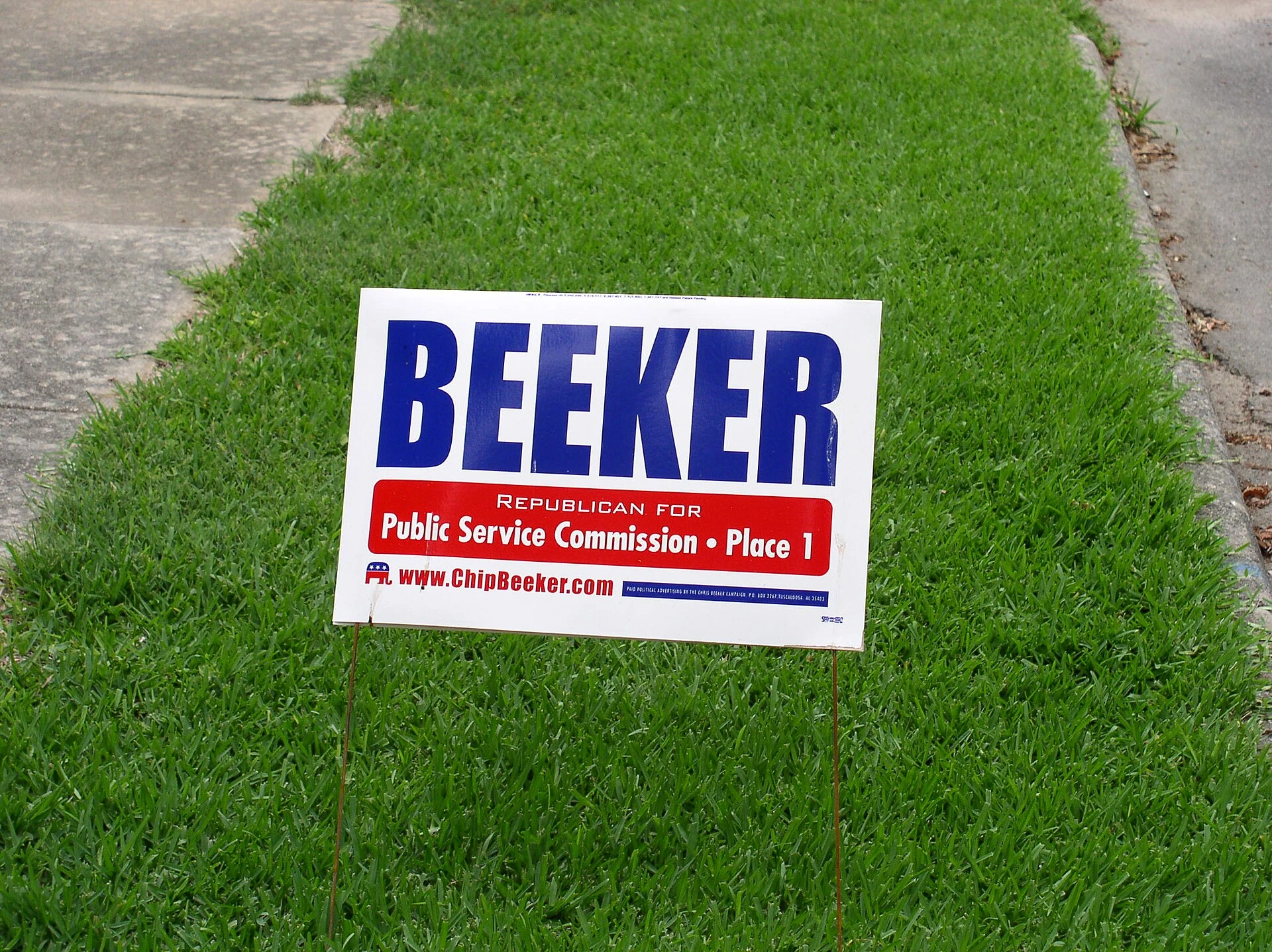
The Alabama Public Service Commission runoff on Tuesday has become a proxy fight over who pays for the electricity appetite of data centers, and whether solar farms are the price of keeping new investment flowing into the state. In the contest for Place 2, incumbent Chris “Chip” Beeker III faces former State Auditor Jim Zeigler, with household power bills, land use and the politics of AI-era growth all colliding at once.
The stakes are not abstract. Alabama residential electricity prices reached 17.15 cents per kilowatt hour in March 2026, among the highest in the South, according to the U.S. Energy Information Administration. That figure has sharpened voter attention on the Alabama Public Service Commission, which regulates investor-owned utilities and has tried to present itself as both pro-growth and protective of ratepayers.
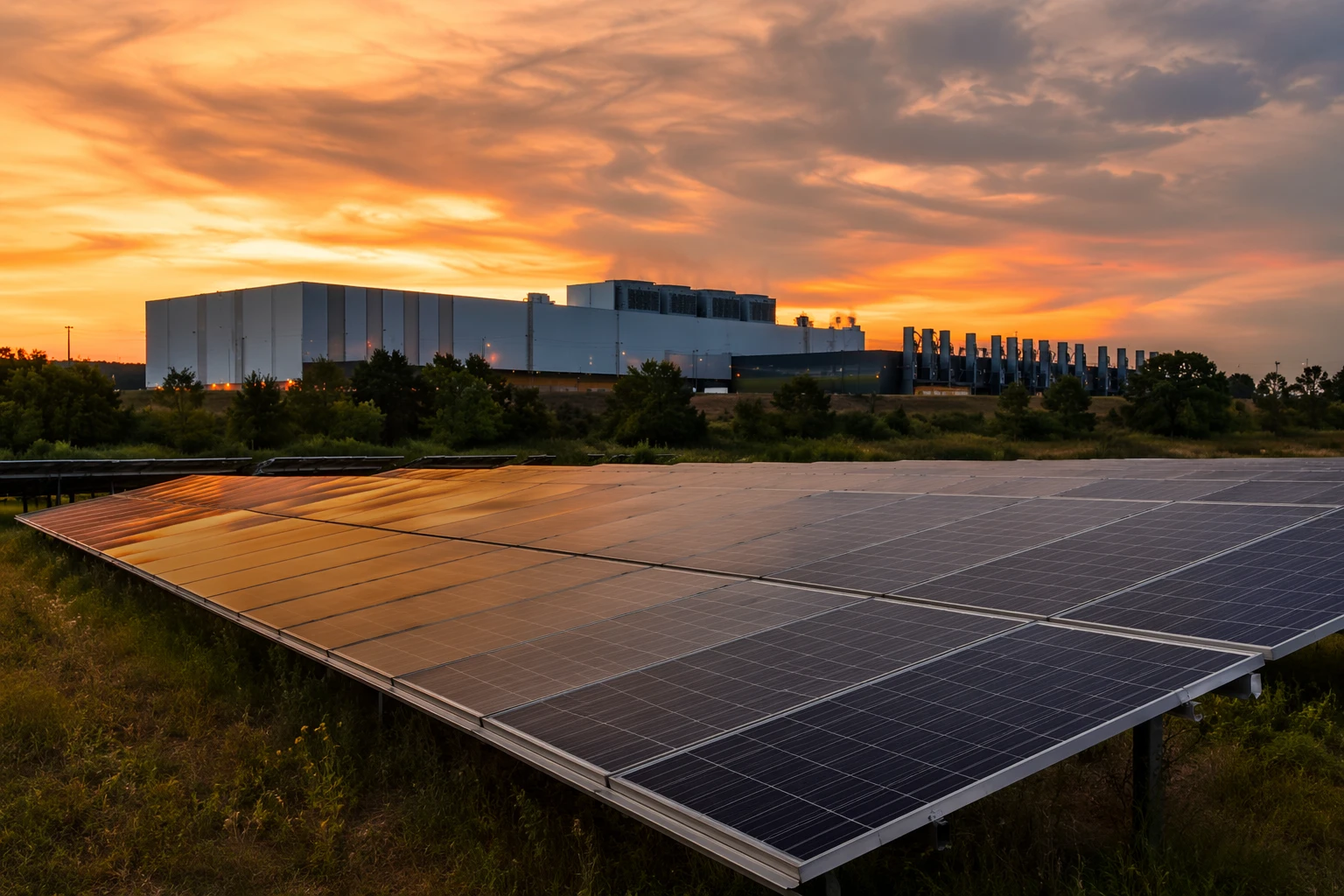
The commission moved into the center of the debate in December 2025, when it approved a two-year electric rate freeze and two large solar projects tied to Meta’s Montgomery data center plans. The Alabama Legislature later extended the freeze to 2029, underscoring how quickly utility policy has become a political issue far beyond the commission’s usual orbit.
Meta’s project has become the clearest symbol of that shift. The company said its Montgomery data center campus is expanding to nearly 1.3 million square feet and more than $1.5 billion in investment, with the site expected to support more than 100 operational jobs. Meta has framed the expansion as part of a broader push to power its Alabama operations with clean energy, but the buildout has drawn backlash in Baldwin County, where opponents have fought a proposed 4,500-acre solar project in north Baldwin County that would help supply the Montgomery campus.
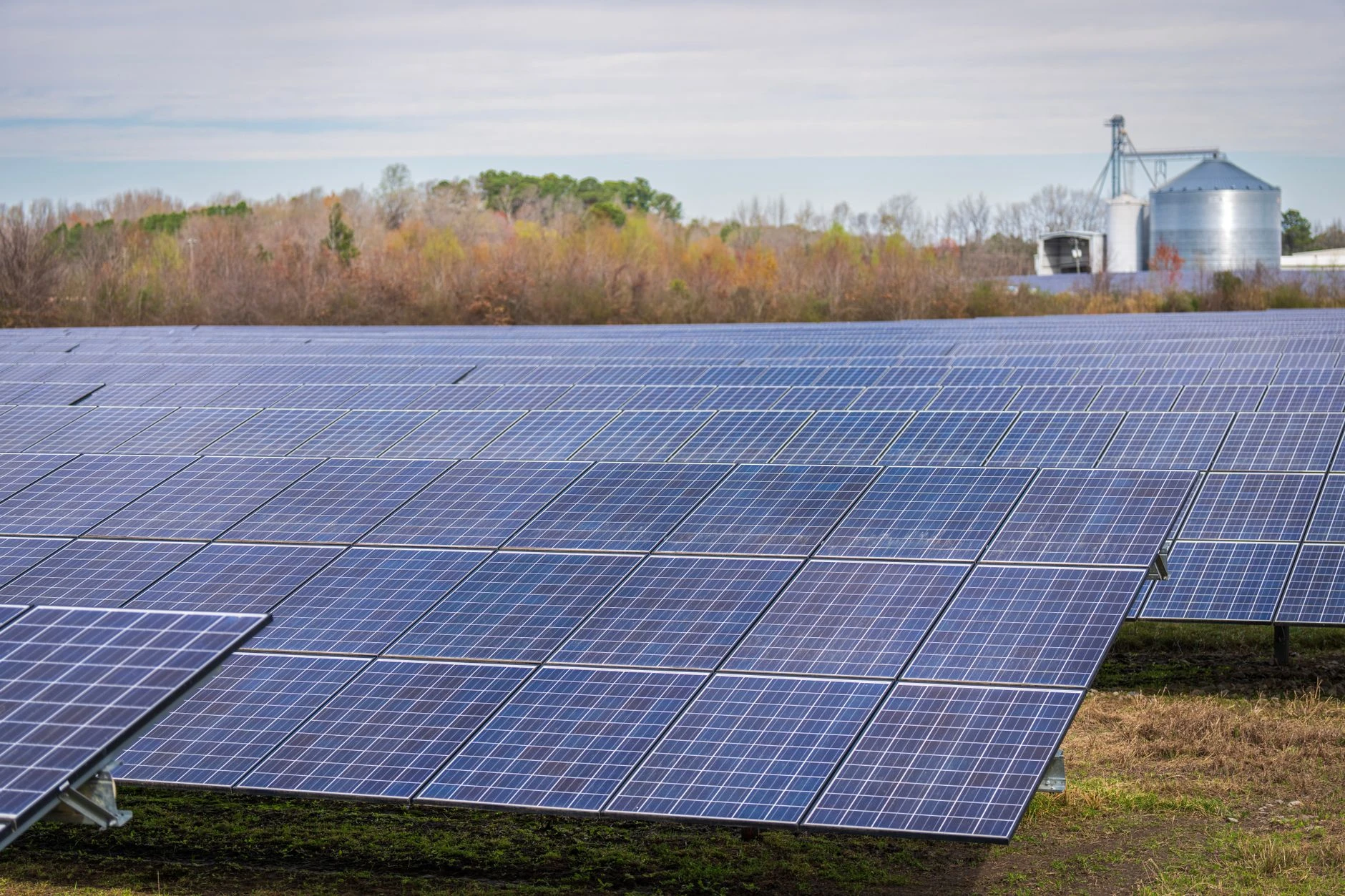
Zeigler has made that opposition central to his campaign, describing himself as a watchman over what he calls “the invasion of data centers and solar farms into Alabama.” He argues the projects can consume farmland, wetlands and water, and he has warned they could push up local power bills.
Beeker has cast his campaign as a defense of lower energy costs and said some of the criticism around data centers and solar has been driven by “buzz words.” The commission’s own message has been more cautious but expansive, with PSC President Cynthia Lee Almond saying the state wants to capture the economic benefits of data center growth while protecting grid reliability and ratepayers and warning there should be “no free rides for Big Tech.”
That tension now defines the runoff and offers a preview of a larger national fight. As data centers spread and utilities seek new generation, the question is no longer just whether Alabama wants the investment. It is who pays for the wires, the power and the politics that come with it.
Sources
- [1]nytimes.com
- [2]alabamareflector.com
- [3]eia.gov
- [4]psc.alabama.gov
- [5]meta.com
- [6]montgomerychamber.com
- [7]al.com