Business
Alan Greenspan, former Fed chair and Fedspeak master, dies at 100
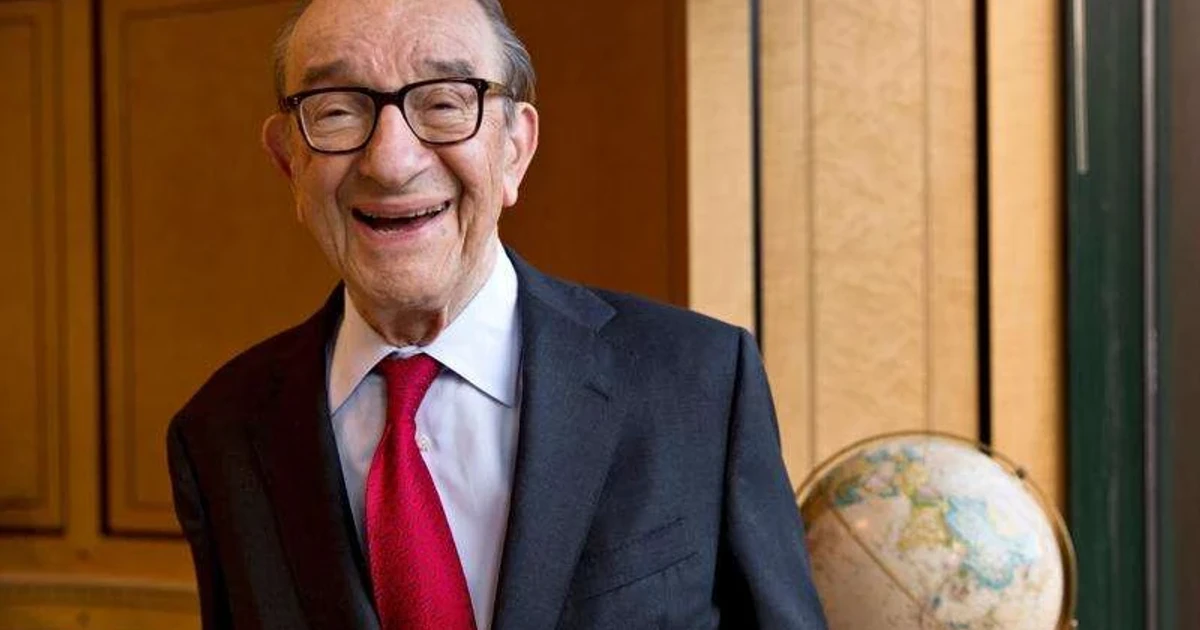
Alan Greenspan, the economist who helped define modern American capitalism and shaped the Federal Reserve’s response to inflation, growth and market turmoil for nearly two decades, died Monday at 100 at his home in Washington. His wife, NBC News correspondent Andrea Mitchell, said the cause was complications of Parkinson’s disease.
Greenspan’s death closes the book on one of the most consequential and disputed figures in central banking. He served as Fed chairman from August 11, 1987, to January 31, 2006, spanning five terms and four presidents: Ronald Reagan, George H.W. Bush, Bill Clinton and George W. Bush. Few policy makers have held such a long and continuous command over the world’s most closely watched central bank.
He also became famous for the opaque, sometimes cryptic language that traders and economists came to call Fedspeak. Greenspan’s reputation as a market whisperer was cemented on December 5, 1996, when he warned of “irrational exuberance” in a speech at the American Enterprise Institute, a phrase that entered the financial lexicon and later came to sound prescient as asset bubbles and speculative excess took new forms.
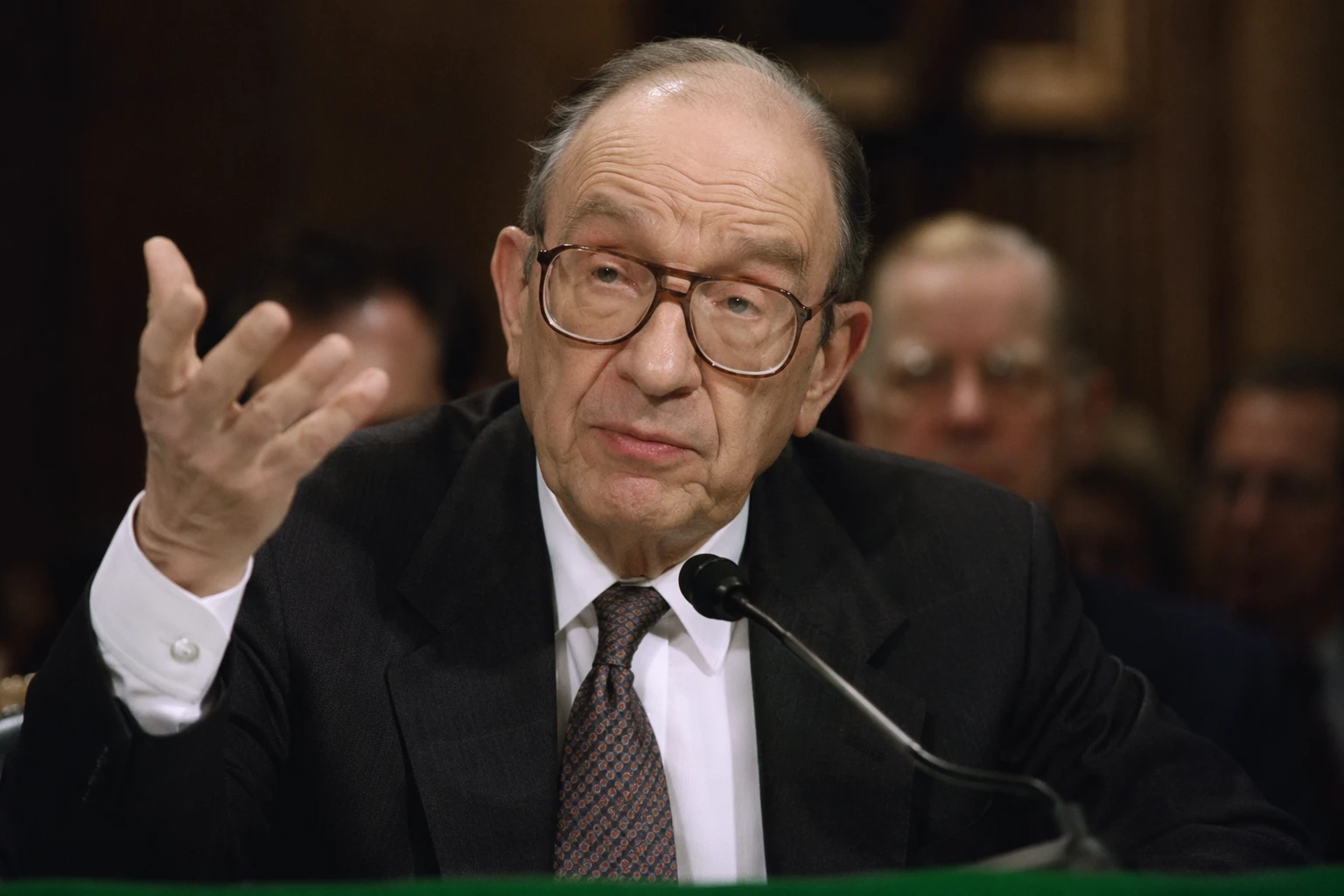
For much of his tenure, Greenspan was celebrated as a master of macroeconomic management. His years at the Fed overlapped with the period commonly known as the Great Moderation, roughly the mid-1980s to 2007, when inflation stayed low, growth was strong and stocks rose. Supporters credited him with helping steady an economy that had spent the previous era battling the volatility of the Great Inflation.
But Greenspan’s legacy has always been contested. Critics argue that his faith in deregulation and light-touch supervision, combined with a willingness to keep money easy, helped create the conditions for later financial instability. The Great Recession forced a harsher reassessment of the policy era he helped define, especially his belief that markets could police themselves more effectively than regulators could.
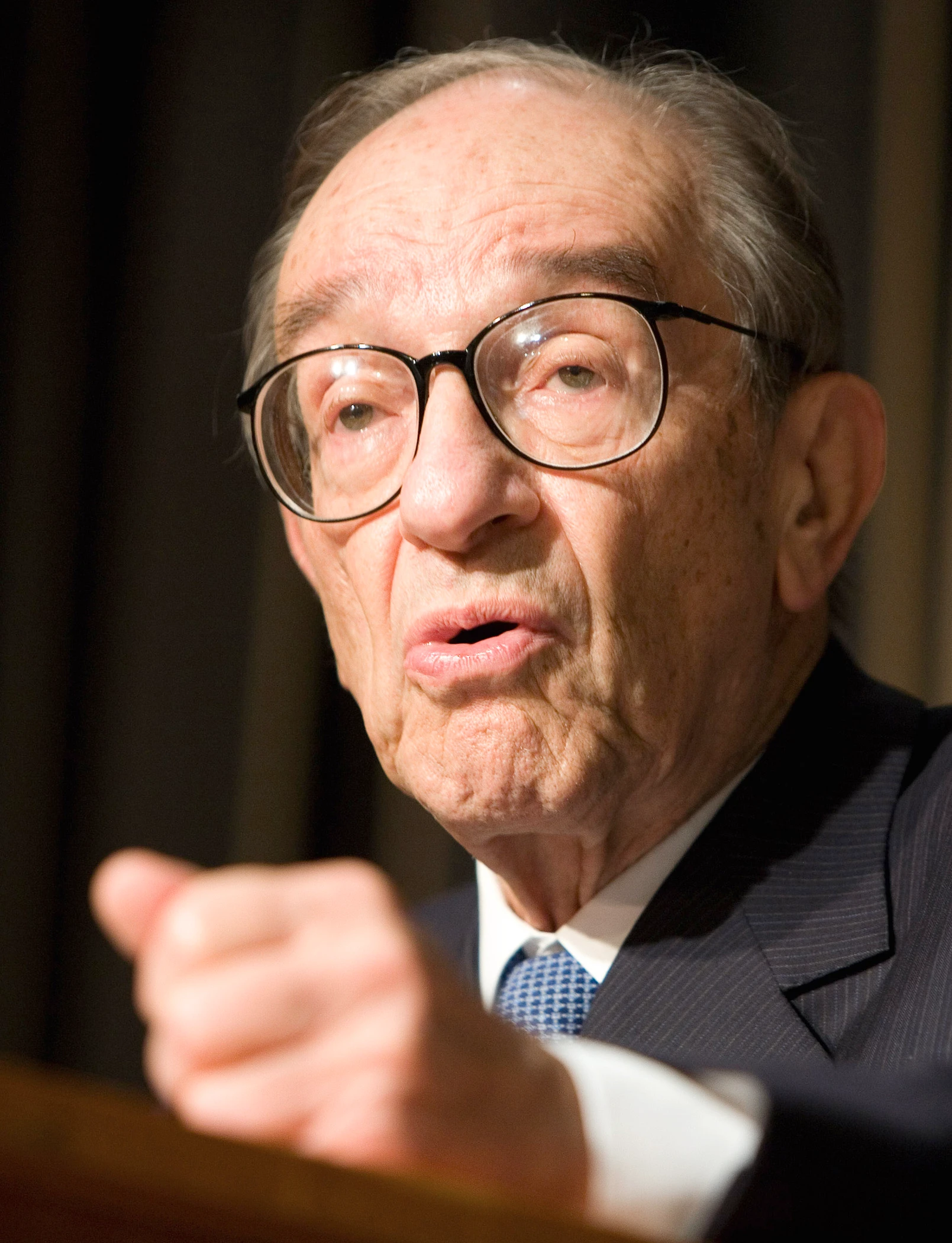
Greenspan studied economics at New York University and later did graduate work at Columbia University under Arthur F. Burns, another towering Fed figure. His career stretched from the Cold War era into the digital age, and with his death the arguments he helped frame are still alive: how much inflation the Fed should tolerate, how aggressively it should raise or cut interest rates, and how far central bankers should go in trying to restrain markets before they overwhelm the economy.
Sources
- [1]money.usnews.com
- [2]nbcnews.com
- [3]mcall.com
- [4]federalreservehistory.org
- [5]federalreserve.gov
- [6]cnbc.com