World
Albania’s Sazan Island weighs tourism, military ruins and resort plans
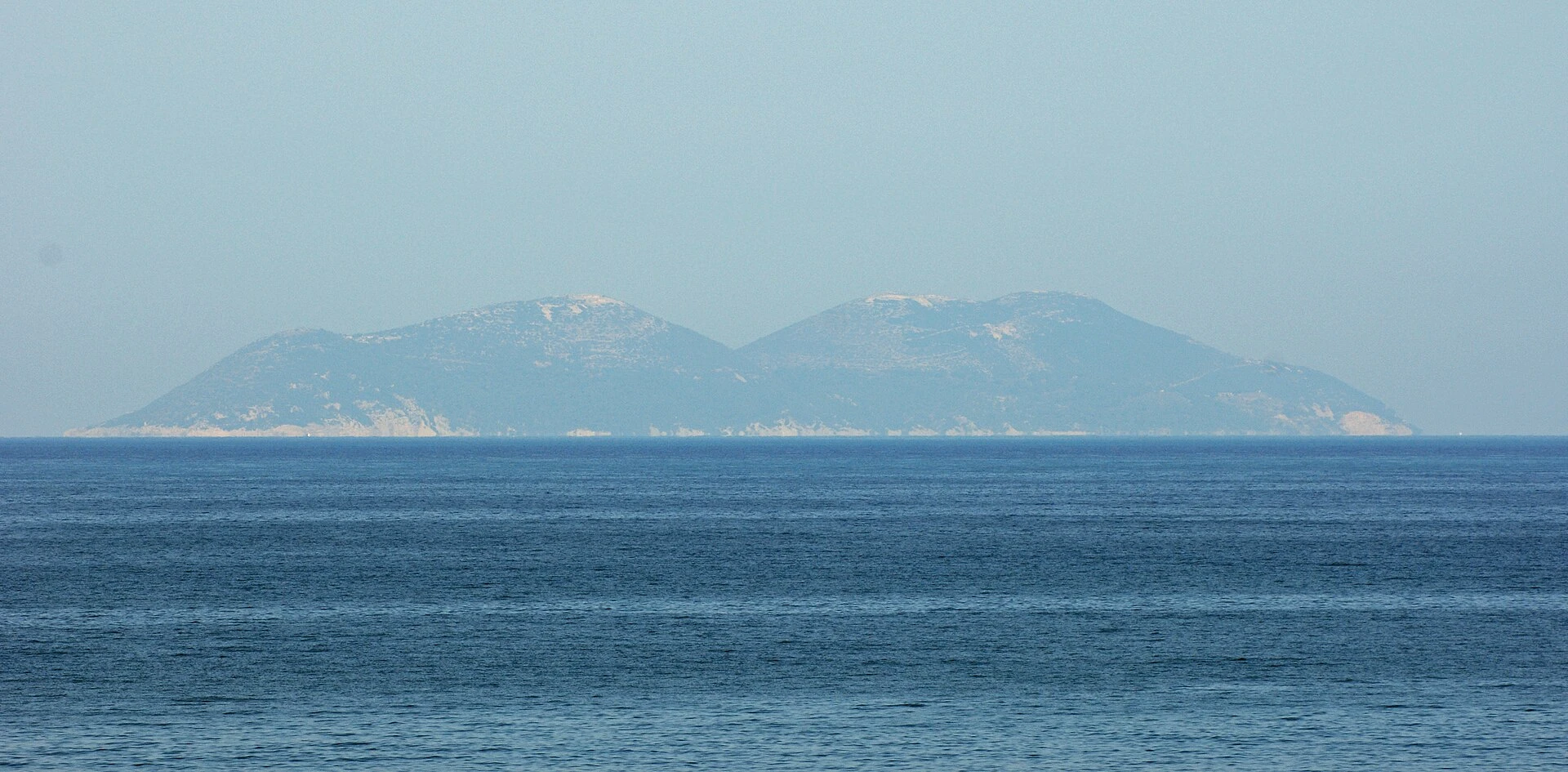
Sazan Island looks like the kind of Adriatic escape investors dream about: a sweep of blue water, a dramatic position off Vlorë, and a name tied to Albania’s biggest island. But the setting hides a harsher reality. The island is still dotted with crumbling military structures, contaminated by land mines and unexploded ordnance, and surrounded by environmental sensitivities that make any luxury plan far more complicated than a glossy rendering suggests.
A strategic island with a fragile landscape
Sazan sits off Vlorë in southwestern Albania, near the Strait of Otranto, where the Adriatic meets the Ionian Sea. That geography has always mattered. The island sits at a choke point between the Balkans and Italy, which is why it was long treated as a place to defend rather than develop.
Vlorë itself lies at the head of Vlorës Bay on the Adriatic, sheltered by the Karaburun peninsula and Sazan Island. That protected setting helps explain why the area keeps returning to the center of Albanian coastal planning: it is visually striking, strategically located and ecologically sensitive at the same time.
The island’s scale is part of the appeal. As Albania’s largest island, it offers enough land to tempt investors who see more than a military relic. It also offers enough exposure, to weather, isolation and inherited danger, to make the costs of transformation unusually high.
From submarine base to Cold War fortress
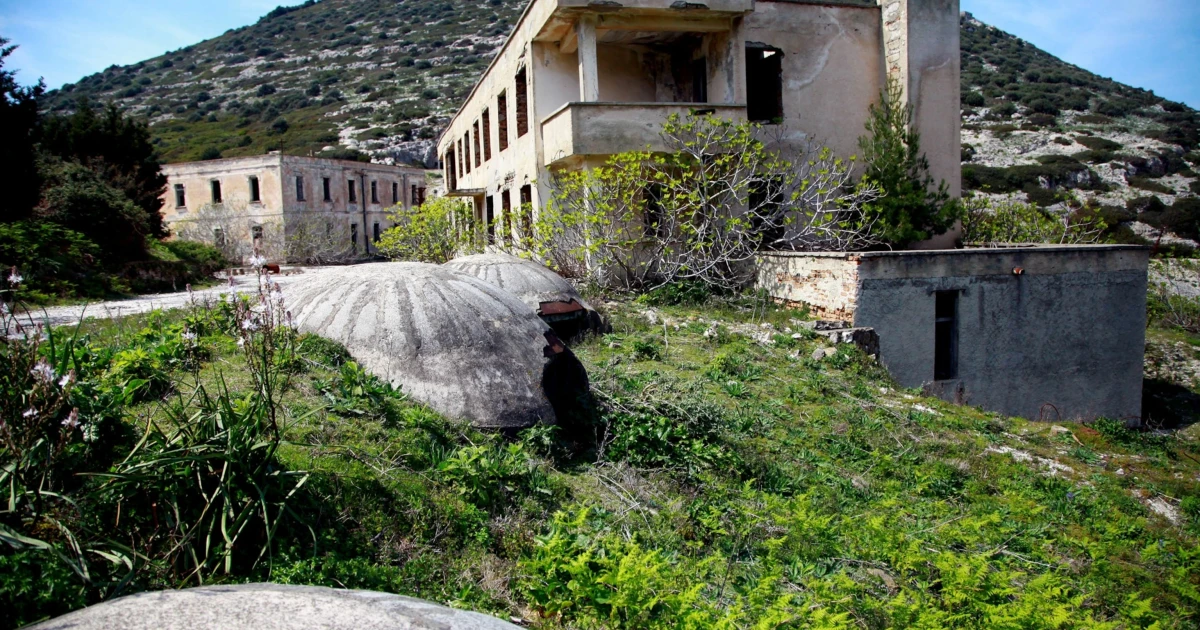
Sazan’s modern history is written into its concrete and tunnels. During World War II, it served as a German and Italian submarine base. After the war, it became a Cold War-era Albanian military base and remained a military exclusion zone for years, sealed off from ordinary use.
That long closure left behind the physical evidence now visible across the island: bunkers, tunnels, artillery positions and abandoned buildings. The landscape is not blank, and that matters for any plan to repurpose it. Every structure is both an asset and a liability, because the military footprint is the island’s main inherited infrastructure.
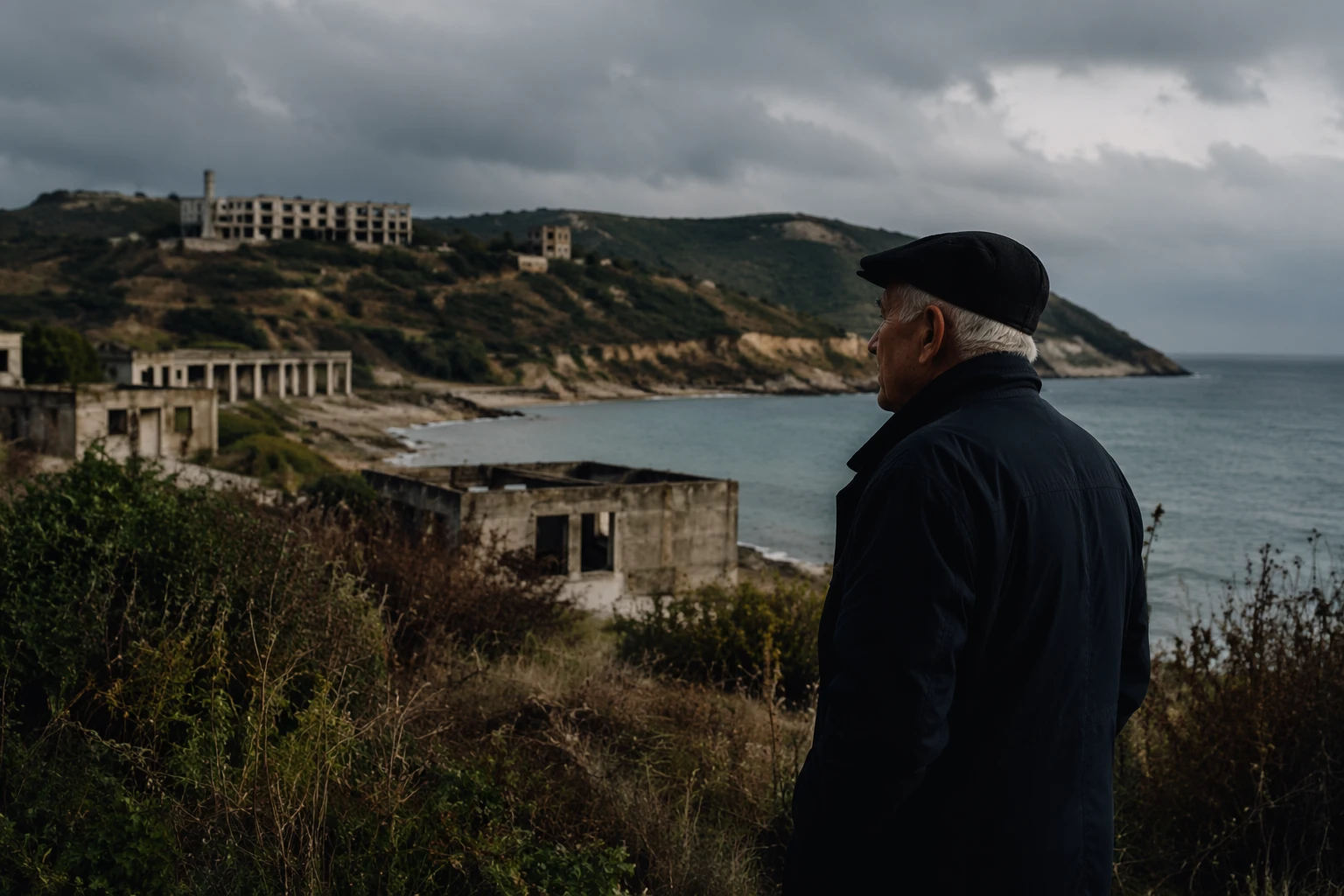
The decay is not just cosmetic. Reporting has described the island as having no electricity or running water, a reminder that any tourist operation would need to build basic systems from scratch before it could even begin to sell the place as an elite destination. The absence of utility networks is a practical measure of how far removed Sazan still is from normal civilian life.
The danger runs beneath the surface as well. The island and the waters around it are contaminated by land mines and unexploded ordnance on land and underwater. That places a hard ceiling on how quickly or cheaply the area can be opened, and it makes the cleanup question central rather than secondary.
A resort vision backed by powerful names
Interest in Sazan sharpened after Jared Kushner’s company backed a luxury resort proposal on the island. Ivanka Trump has been linked to the broader family branding and vision around the project, giving it immediate political and commercial attention far beyond Albania.
The Albanian government granted preliminary approval in December 2024 and gave the project strategic investor status. That label signals state backing and helps explain why the proposal has become more than a private real-estate pitch. It has turned into a test of how far the government wants to push high-end tourism along a coastline still defined by military legacy and environmental restrictions.
The image attached to the plan is seductive: a derelict island turned into a luxury destination. But that image collides with the island’s actual condition. The old military buildings, the lack of basic services and the unexploded ordnance all mean the resort would have to overcome a level of physical and legal complexity that is not present in a typical beachfront development.
Why the backlash has spread
The political reaction has been swift. Protests against the Kushner-linked resort began in early June and grew into repeated large demonstrations in Tirana. Protesters have chanted “Albania is not for sale,” a slogan that captures the wider fear that public coastlines are being converted into private luxury enclaves.
The opposition is not only about who benefits. Environmental groups have warned that development could damage protected land and biodiversity, especially in and around the Vjosa-Narta protected area. That region includes key breeding grounds for migratory birds, among them flocks of flamingos, making the coastline valuable for reasons that have little to do with resort economics.
Those concerns extend to the surrounding marine environment as well. Sazan sits within or beside protected coastal waters, including the Karaburun-Sazan Marine Park, so the island is not an isolated construction site. It is part of a larger habitat system where building, dredging, transport and waste handling could affect species and shoreline conditions well beyond the project boundary.
What the island now represents
Sazan has become a shorthand for Albania’s current development dilemma. One side sees a rare island with scale, history and sea views, the kind of place that can attract capital and raise the country’s profile as a premium destination. The other side sees a former military zone with mine risks, ecological constraints and a public coastline that should not be surrendered to opaque deals.
That collision matters because the island’s problems are not abstract. They are embedded in its ground, its buildings and its waters, from abandoned artillery positions to unexploded ordnance. Any serious development plan has to confront those liabilities before it can claim the rewards of the location.
The result is an unusually stark contrast: a glamorous resort fantasy sitting on top of a post-conflict landscape that has not been fully repaired. On Sazan, the promise of elite tourism is inseparable from the unfinished work of clearing, preserving and deciding who the coast is really for.
Sources
- [1]nytimes.com
- [2]britannica.com
- [3]reutersconnect.com
- [4]aljazeera.com
- [5]reuters.com