Sports
Alemania, Japón y Países Bajos lideran jornada histórica del Mundial 2026
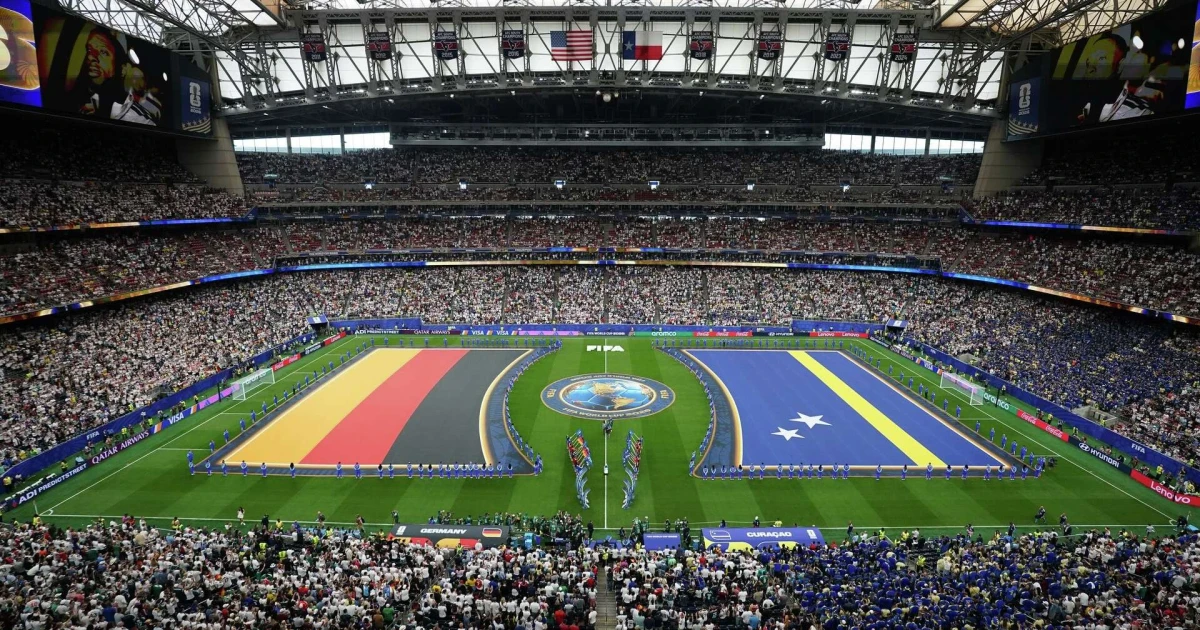
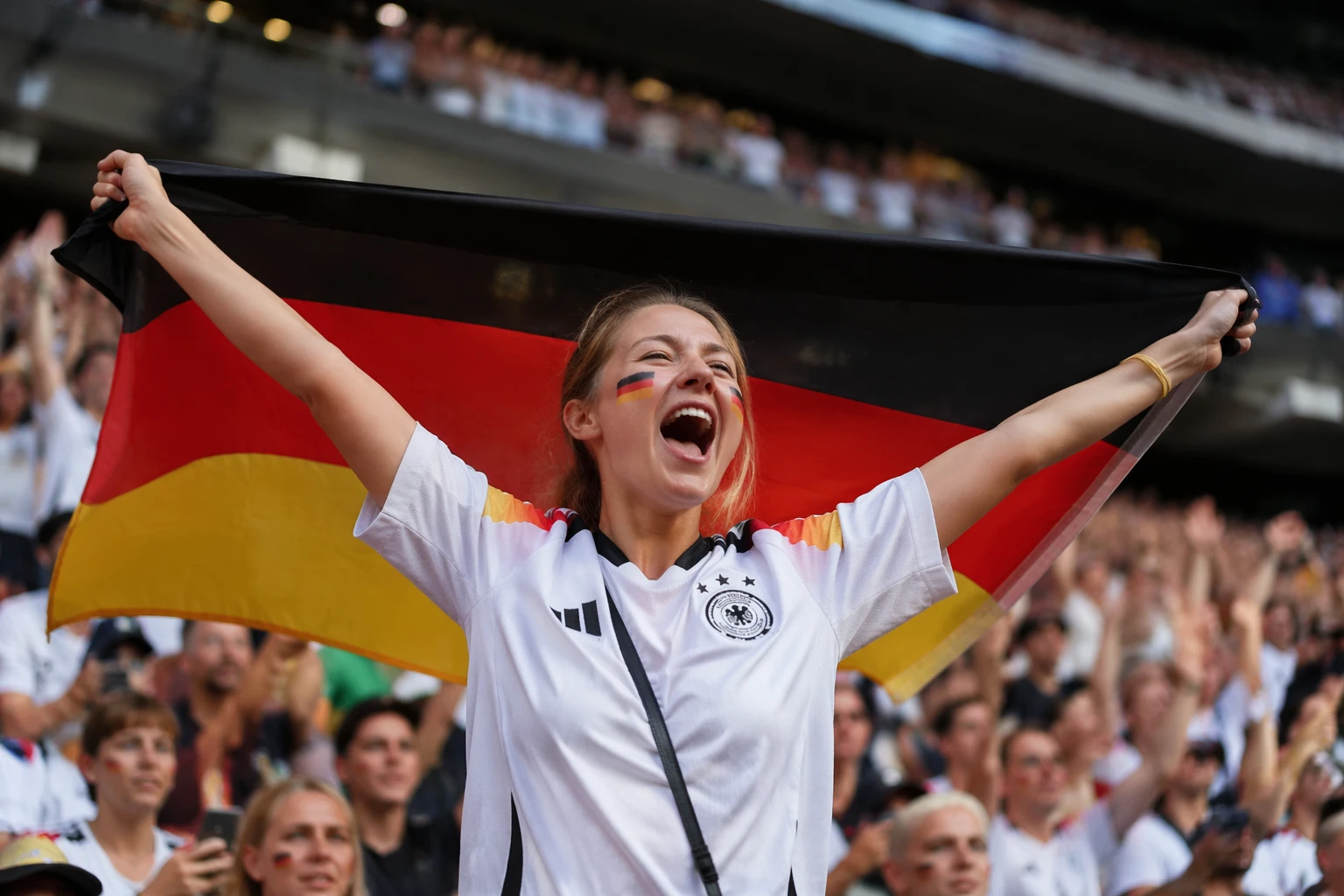
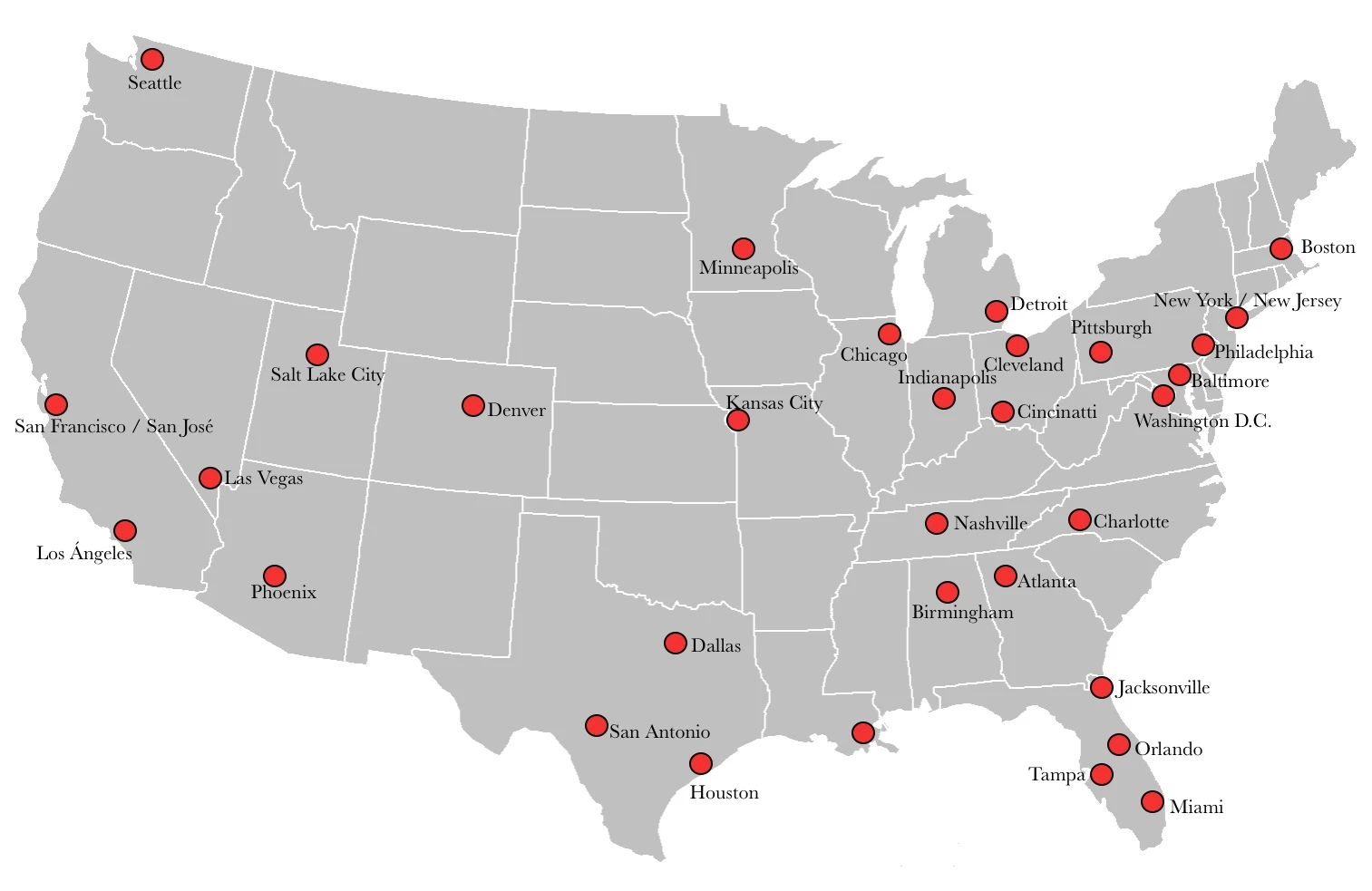
Flags, songs and transplanted loyalties filled three U.S. stadiums as Germany, Curaçao, Japan, the Netherlands, Ecuador and Costa de Marfil turned a World Cup matchday into a portrait of the tournament’s global audience. The 2026 edition, the 23rd in FIFA’s history, is the first to feature 48 teams and 104 matches across Canada, Mexico and the United States, and the stands on June 14 showed how far national identity now travels with the event.
In Houston, four-time world champions Germany faced Curaçao, the smallest nation ever to qualify for a World Cup and a team making its debut at the tournament. The matchup carried weight beyond the bracket: Livano Comenencia said the qualification would “be in the history books,” while Tahith Chong called representing the country of his birth a “full circle moment.” Those words matched the scene around them, where Curaçao’s supporters turned a first-time appearance into a collective public statement about belonging and recognition.
The day also framed a meeting that reached back to South Africa 2010. The Netherlands and Japan met again in Dallas Stadium, their only previous World Cup encounter decided by a second-half strike from Wesley Sneijder in a Dutch victory. FIFA placed the fixture in Group F, and the sequel brought together two fan bases with deep traditions of travel and organized support, underscoring how modern World Cup crowds are often built as much by diaspora communities as by home-country spectators.
Philadelphia Stadium hosted another Group E match with similarly layered significance, as Costa de Marfil met Ecuador. FIFA highlighted Ecuador’s core of Moisés Caicedo, Piero Hincapié, Willian Pacho and Enner Valencia, while Costa de Marfil arrived with Franck Kessié, Odilon Kossounou and Amad Diallo. The names on the teamsheet drew their own followings, and the match added another national corridor to a tournament already stretching across Houston, Dallas and Philadelphia.
What these crowds revealed was simple and consequential: the World Cup no longer belongs only to the teams on the field. It belongs to the supporters who can cross borders, fill stadiums far from home and turn each match into a test of cultural reach, travel power and national pride.
Sources
- [1]telemundo.com
- [2]fifa.com