Technology
Alibaba plans to charge heavy users of its open-source AI model

Alibaba planned to charge large users of its next open-source artificial intelligence model, marking a sharp turn in how one of China’s biggest technology companies may try to make money from generative AI. The move would place Alibaba between fully free open-source distribution and closed, subscription-driven AI products, and it showed how quickly the economics around “open” models are changing.
Open-source AI has often been sold as a community-friendly, low-cost alternative to proprietary systems, but the costs of training, hosting and scaling those models can be steep. Alibaba’s plan suggested the company wants to keep broad developer access while drawing revenue from the customers using the model at commercial scale.
Those heavy users could include enterprises building customer-support systems, coding assistants, search tools, image workflows or internal automation products. By charging that segment, Alibaba would be aiming at the clients that extract the most value from the model and generate the largest compute demand, while leaving smaller developers with easier access.

That approach reflected a wider pattern in global AI. Technology companies have been trying to balance adoption, market share and profitability as open-source releases help them gain mindshare, attract developers and improve models through community use. The downside is that a provider can end up supporting substantial compute demand without a clear payment plan, turning popularity into a cost burden.
Alibaba’s strategy also carried competitive weight. If the company can keep smaller developers engaged while monetizing enterprise-scale demand, it may strengthen its position against global rivals using different combinations of free tiers, API pricing and paid enterprise plans. Other AI firms are likely to study whether open-source leadership can coexist with a durable business model rather than remaining an expensive giveaway.
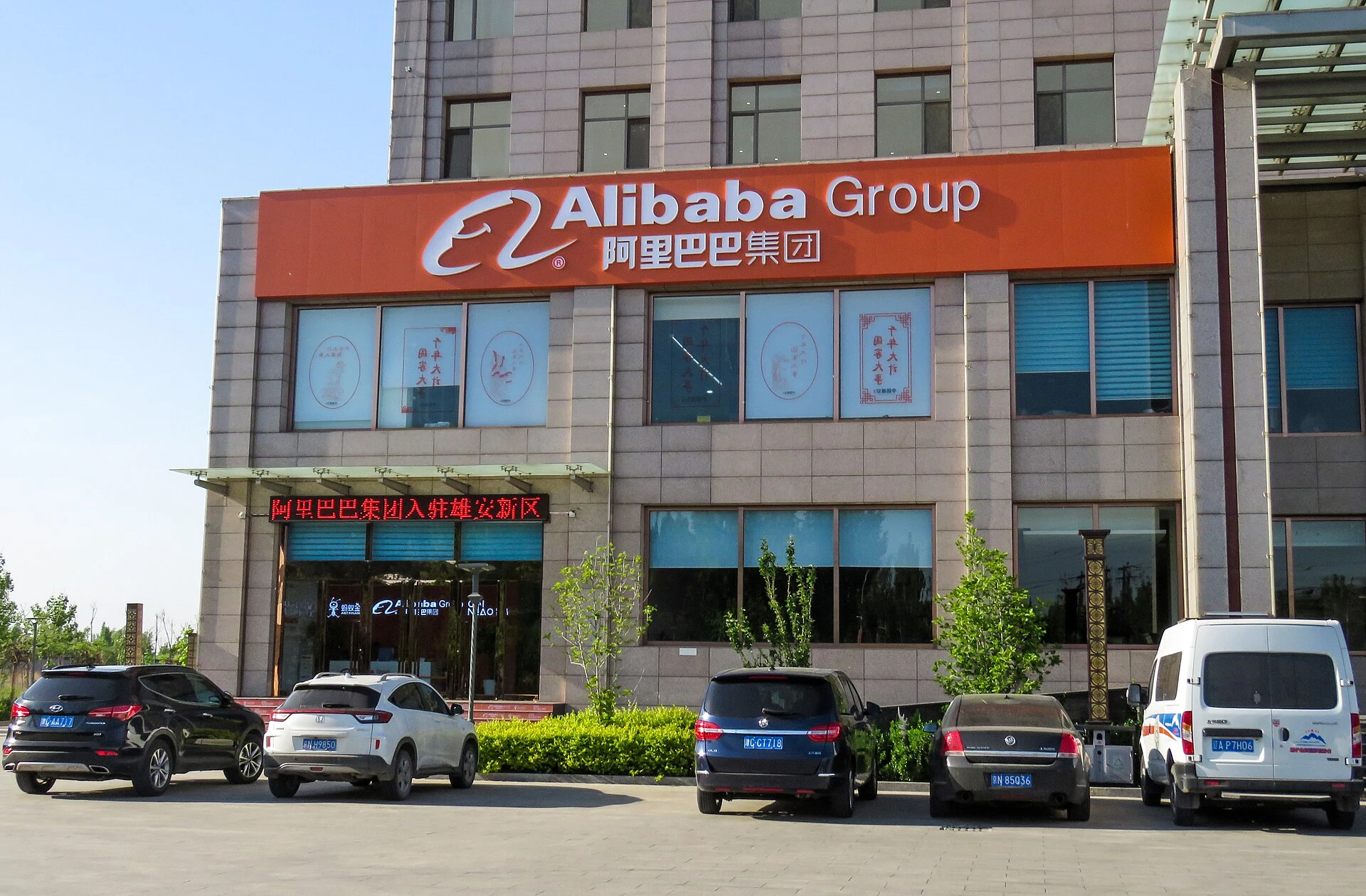
For Chinese tech policy, the move fit a broader effort to preserve innovation momentum in AI while ensuring domestic champions have the financial resources to compete with U.S. firms. The key test will be whether customers accept a paywall for higher-volume usage or move to other models if pricing becomes too restrictive. Alibaba appeared to be betting that enough demand exists to make open-source AI profitable at scale.
Sources
- [1]reuters.com