Technology
Alibaba unveils first AI models for robots, joins China shift to agents
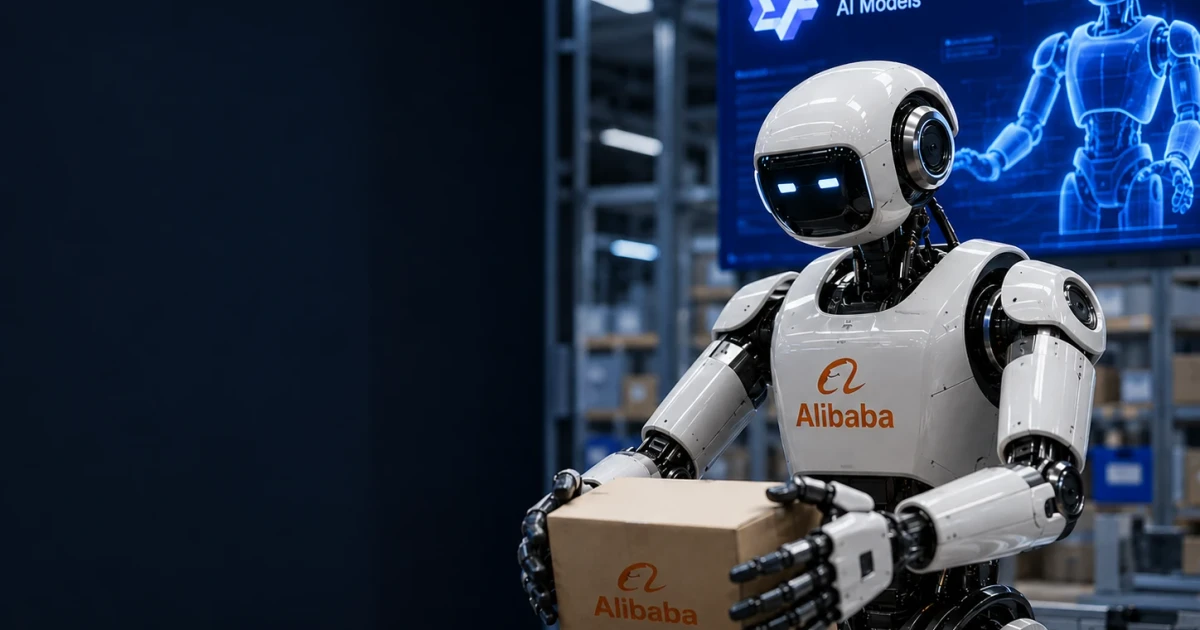
Alibaba is pushing further into the AI stack that powers machines, not just conversations. The company unveiled its first suite of AI models for robots, joining a fast-growing shift among Chinese tech firms from standard chatbots toward agents that can execute complex tasks, make decisions and help machines become more intelligent.
That pivot matters because China’s AI competition is no longer just about who has the slickest consumer interface. Alibaba is aiming at systems that can work inside warehouses, logistics networks, factories and service robots, where software must perceive the physical world and act on it. In practical terms, that moves the battle from typing prompts into a chatbot to coordinating real-world tasks across devices, software and industrial systems.
Alibaba’s robot models fit into a broader string of AI launches this spring. On April 2, the company said Qwen3.6-Plus was built for agentic coding, multimodal perception and reasoning, and would be integrated into Wukong, an AI-native enterprise platform for automating complex business tasks with multiple AI agents, as well as the Qwen App. On May 20, Alibaba unveiled Qwen3.7-Max, a flagship model for agentic workloads, along with its Zhenwu M890 AI chip, which it said triples the performance of its predecessor. It also described a rebuilt cloud platform for autonomous AI agents, including the Panjiu AL128 Supernode Server and Bailian, its model service platform, which had introduced Agentic RL for continuous reinforcement learning based on agent task outcomes.
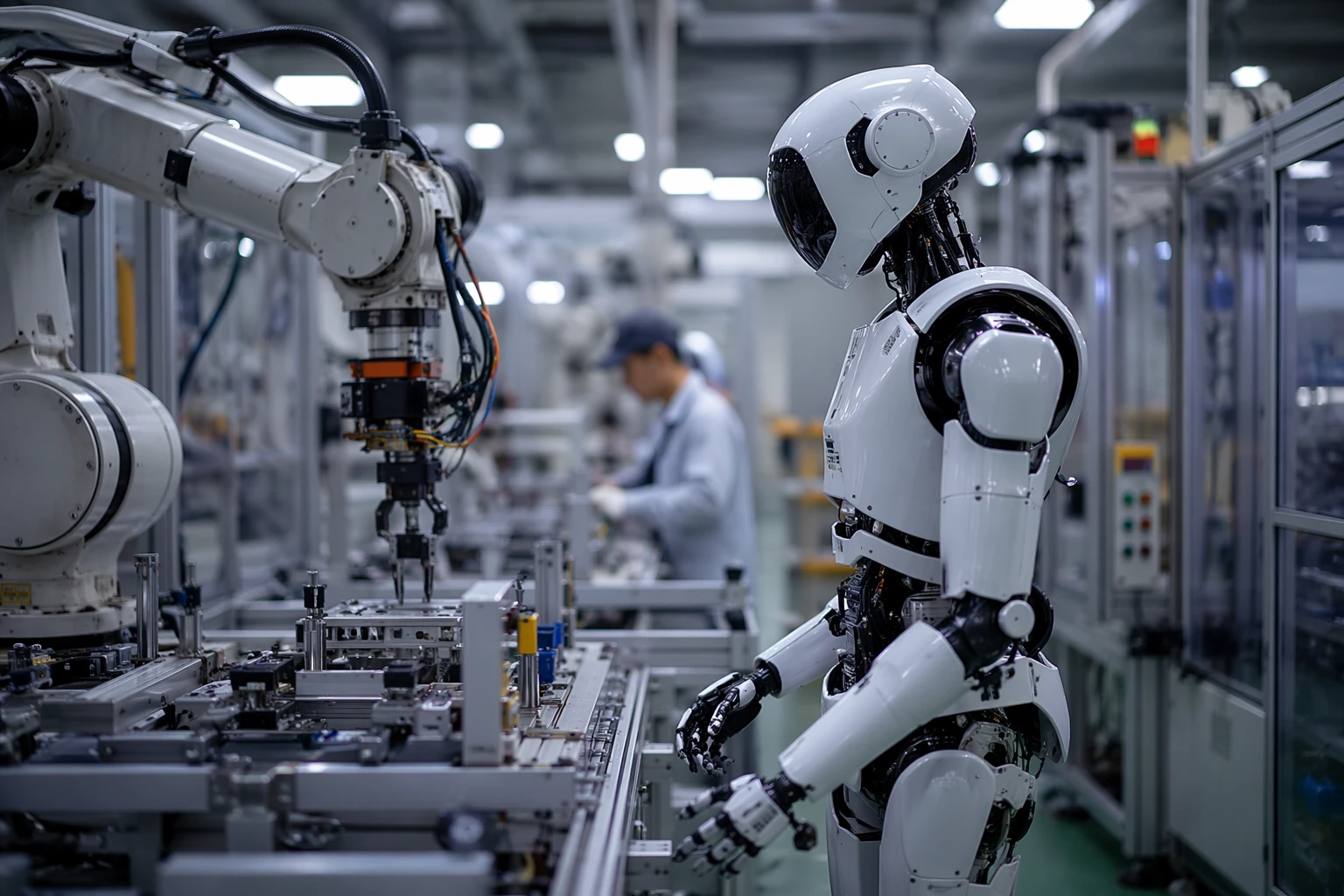
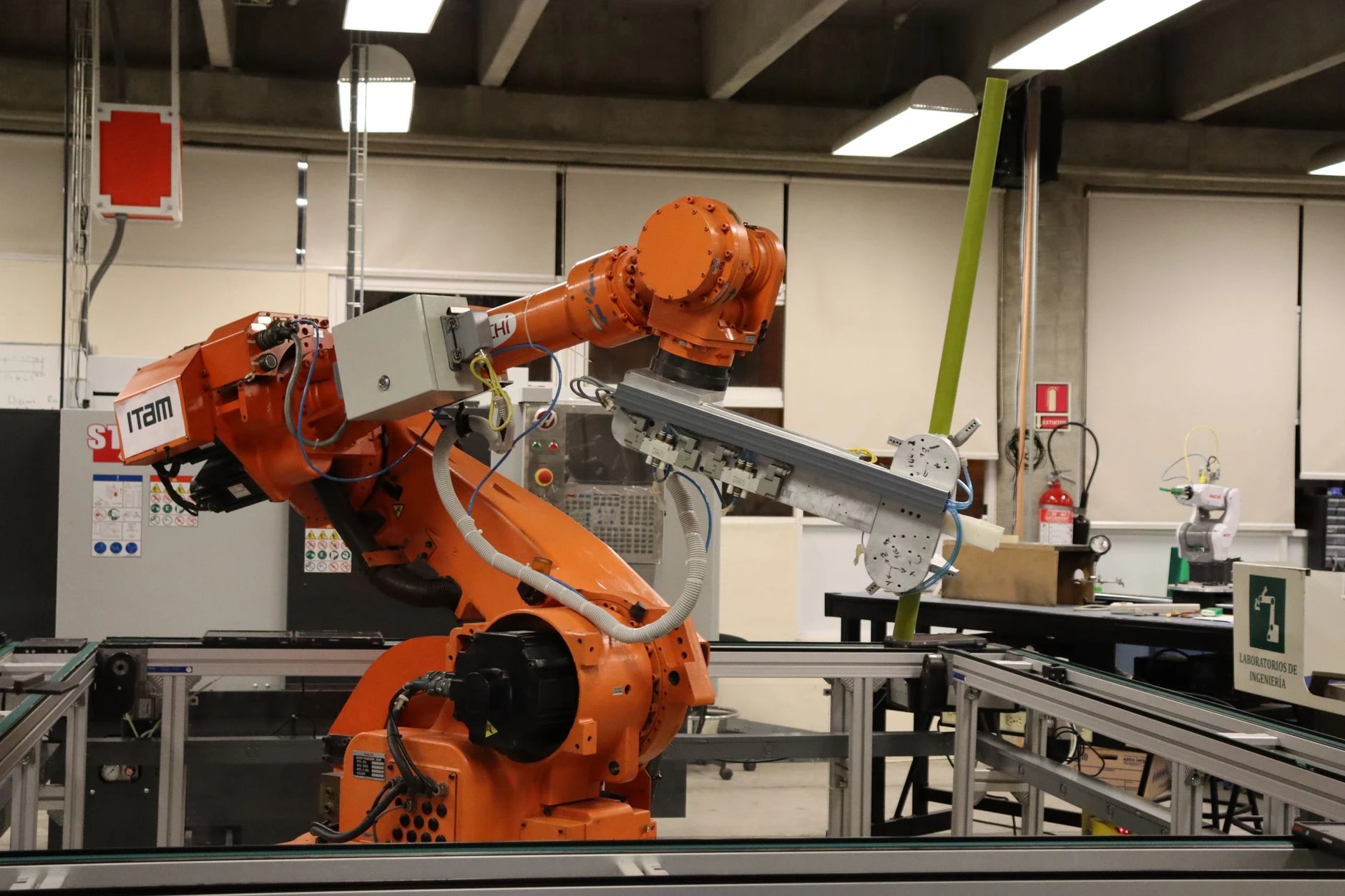
The timing reflects a larger industrial push in China. The International Federation of Robotics said China’s 15th Five-Year Plan for 2026-2030 places robotics at the heart of the country’s industrial strategy, at a time when China’s manufacturing sector already has an operational stock of about 2 million industrial robots, roughly 4.5 times Japan’s total. That scale gives Chinese firms a huge domestic test bed for embodied AI, from robot arms on production lines to autonomous systems in warehouses.
China has also started setting technical guardrails. In March, state media reported the launch of the country’s first national standard system for humanoid robots and embodied AI, covering the full industrial chain and lifecycle, including application, safety and ethics. Developed with more than 120 research institutions, enterprises and industry users under the Ministry of Industry and Information Technology’s technical committee for humanoid robots and embodied intelligence, the framework suggests Beijing wants the sector to grow with common standards already in place.
For Alibaba, the shift signals where the next phase of AI value may lie. The race is moving from talk to action, and from apps that answer questions to systems that can run the physical economy.
Sources
- [1]money.usnews.com
- [2]alibabacloud.com
- [3]alibabagroup.com
- [4]ifr.org
- [5]english.scio.gov.cn