US News
Alien Terrorist Removal Court hears first case in 30 years

The Justice Department asked a judge to deport Texas-based Afghan woman Nazira Haji Zada before the Alien Terrorist Removal Court, the first petition ever filed in the 30-year-old tribunal. The hearing marked the first public test of a mechanism Congress created in 1996 for alleged “alien terrorists,” a process built to let prosecutors use classified evidence in deportation cases.
The court had never heard a case for about 30 years before this month’s filing, leaving it dormant until the Trump administration activated it. Prosecutors alleged that Haji Zada was tied to an ISIS-linked plot or supported an Islamic State-inspired plot in the United States. The case has now become the clearest example yet of how the government could try to use a secretive court to move deportation cases forward when evidence cannot be fully shown in open court.
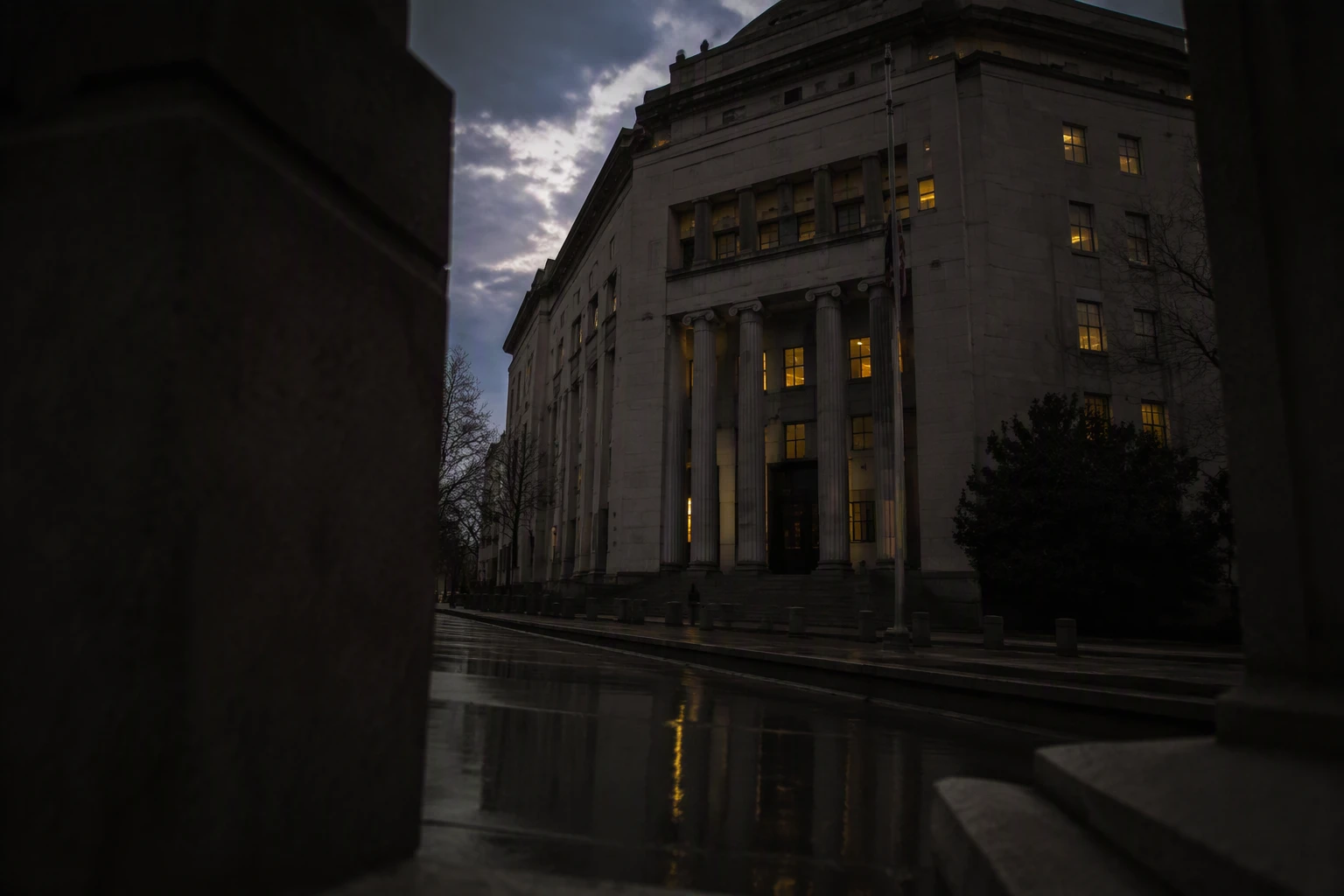
Defense counsel challenged that move at the hearing, arguing that the administration’s use of the court violated Haji Zada’s constitutional rights. That objection goes to the center of the court’s design: Congress created the tribunal to make it easier for the Justice Department to rely on classified evidence, including material a target may never see, when seeking to remove someone from U.S. soil. For immigration lawyers and civil-liberties advocates, that feature is precisely what makes the case so consequential.

If the government succeeds, the precedent could reach well beyond one Afghan woman in Texas. Legal experts and advocacy groups have warned that a working Alien Terrorist Removal Court would give the government a new way to pursue deportations on the basis of evidence hidden from the person facing removal, raising due-process concerns that could spill into future cases involving lawful permanent residents and other noncitizens with deeper ties to the United States. The risk is not limited to one hearing; it is that a rarely used tribunal could become a model for secret-evidence deportations in national security cases.

The court’s activation also fits a broader Trump-era push to speed and expand deportations, alongside other legal fights over fast-track removal policies and third-country removals. For now, the hearing stands as the first real test of a court designed in 1996, left untouched for decades, and now being asked to serve as a new path for removing alleged “alien terrorists” from the country.
Sources
- [1]abcnews.com
- [2]npr.org
- [3]cbsnews.com
- [4]pbs.org
- [5]wral.com
- [6]ocregister.com
- [7]politico.com
- [8]aila.org
- [9]fjc.gov
- [10]apnews.com